Skip to content

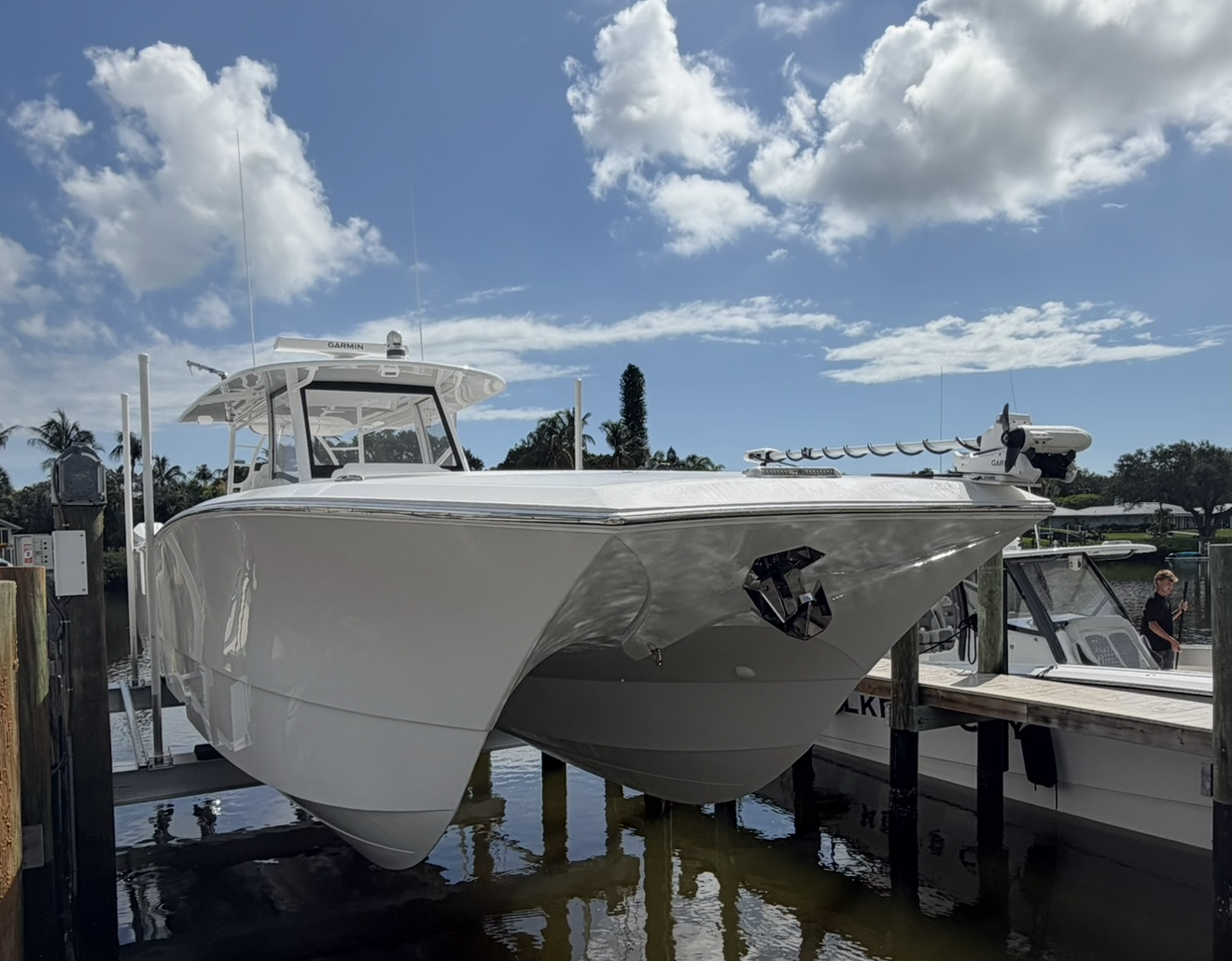
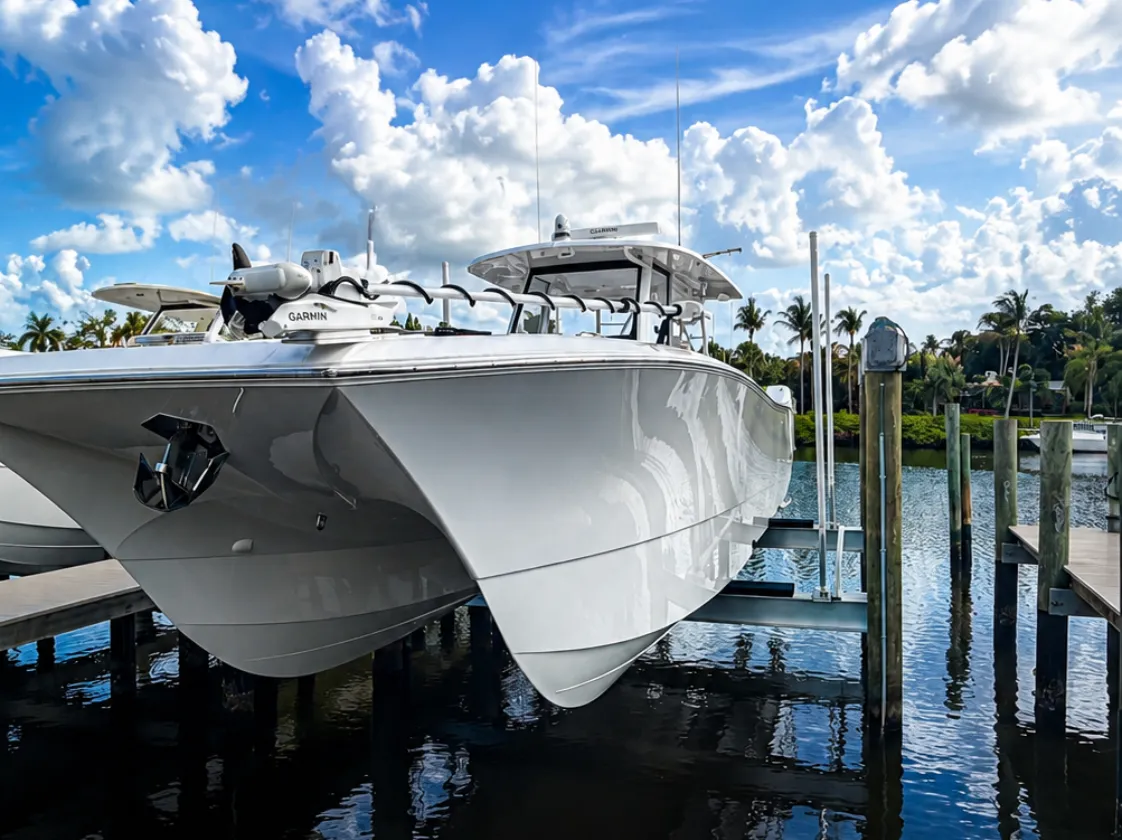
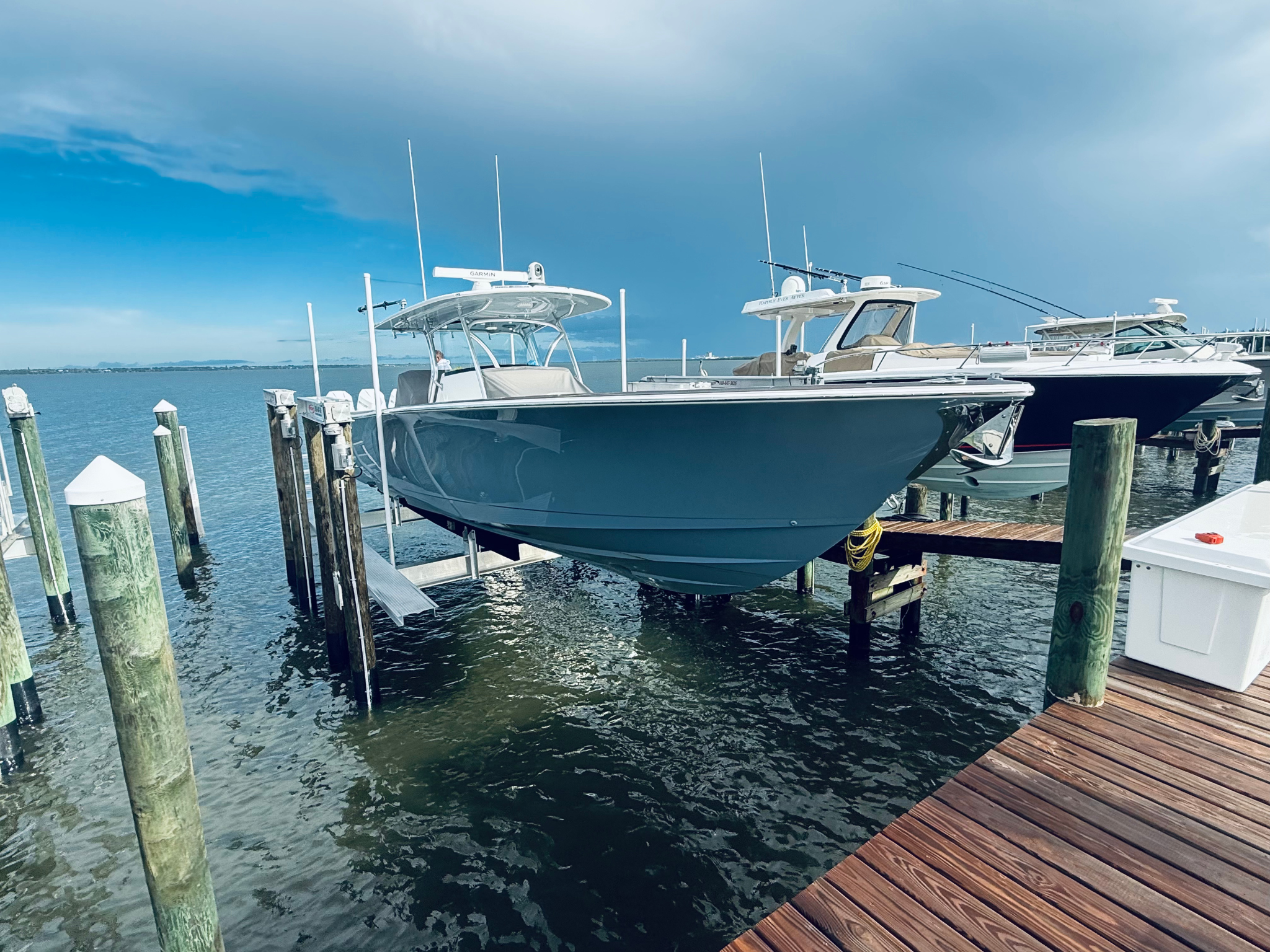
You pull your boat onto the lift after a day on the water, rinse off the salt and spray, and start scrubbing the hull. It seems like a simple cleanup, but washing a boat while it is raised above the water calls for a different approach. Water, soap residue and cleaning products can run onto the lift structure, cables and hardware, making the way you wash the boat part of boat lift maintenance.
For Florida waterfront homeowners, salt air, pollen and regular exposure to water can quickly leave a boat covered in grime. Knowing how to wash the vessel without putting unnecessary strain on the lift can help keep both the boat and its supporting equipment in good condition.
In this blog, you will learn how to wash your boat safely on a lift while protecting the vessel, lift components and surrounding water.
Why Washing on the Lift Requires a Different Approach
Washing a boat on the ground or at a ramp allows water to drain away easily. On a lift, however, runoff can collect around the base and mechanical components instead of flowing away. Good boat cleaning on lift practices start with knowing where the water, soap and residue will go.
Water Runoff and Drainage
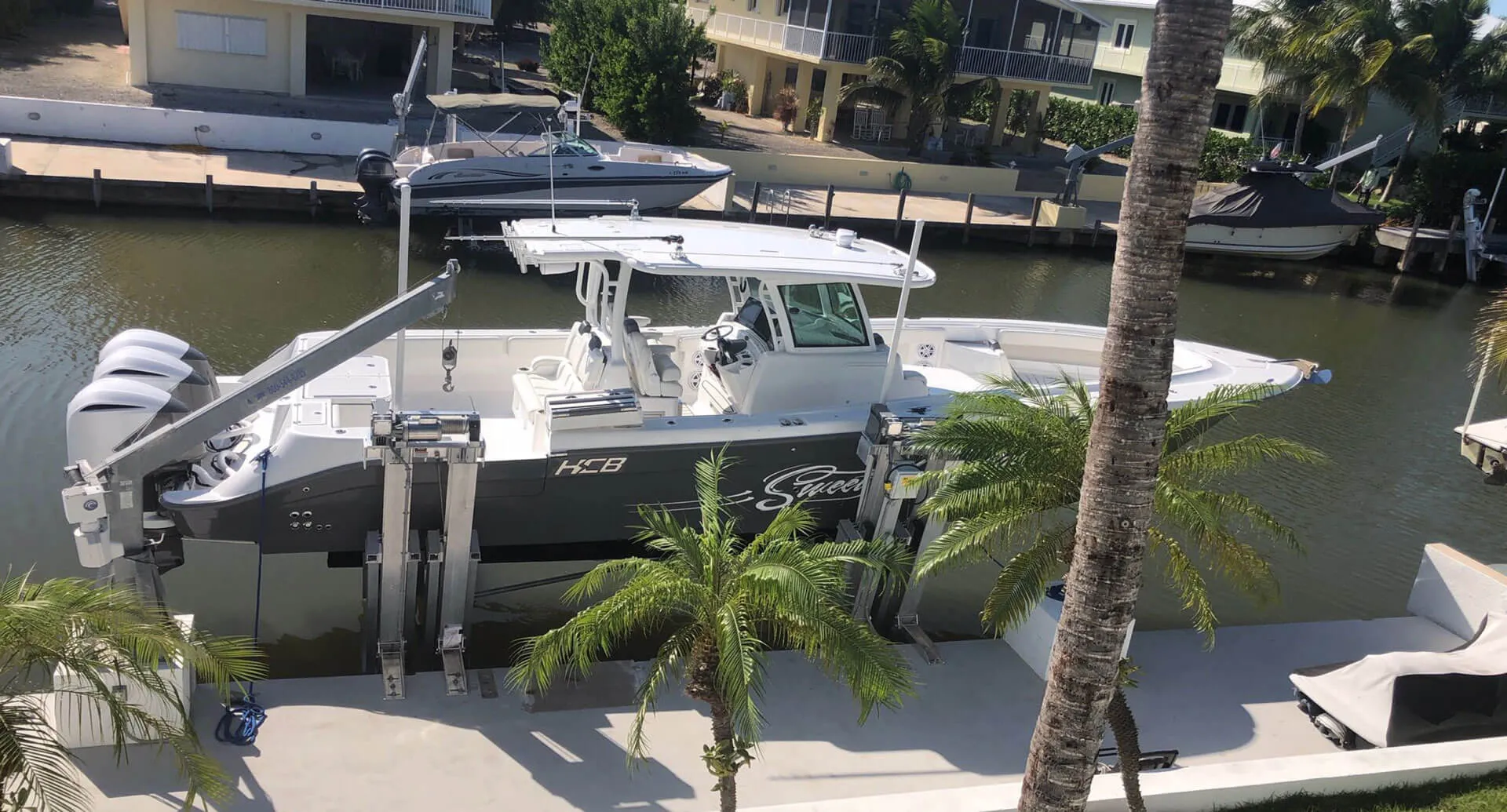
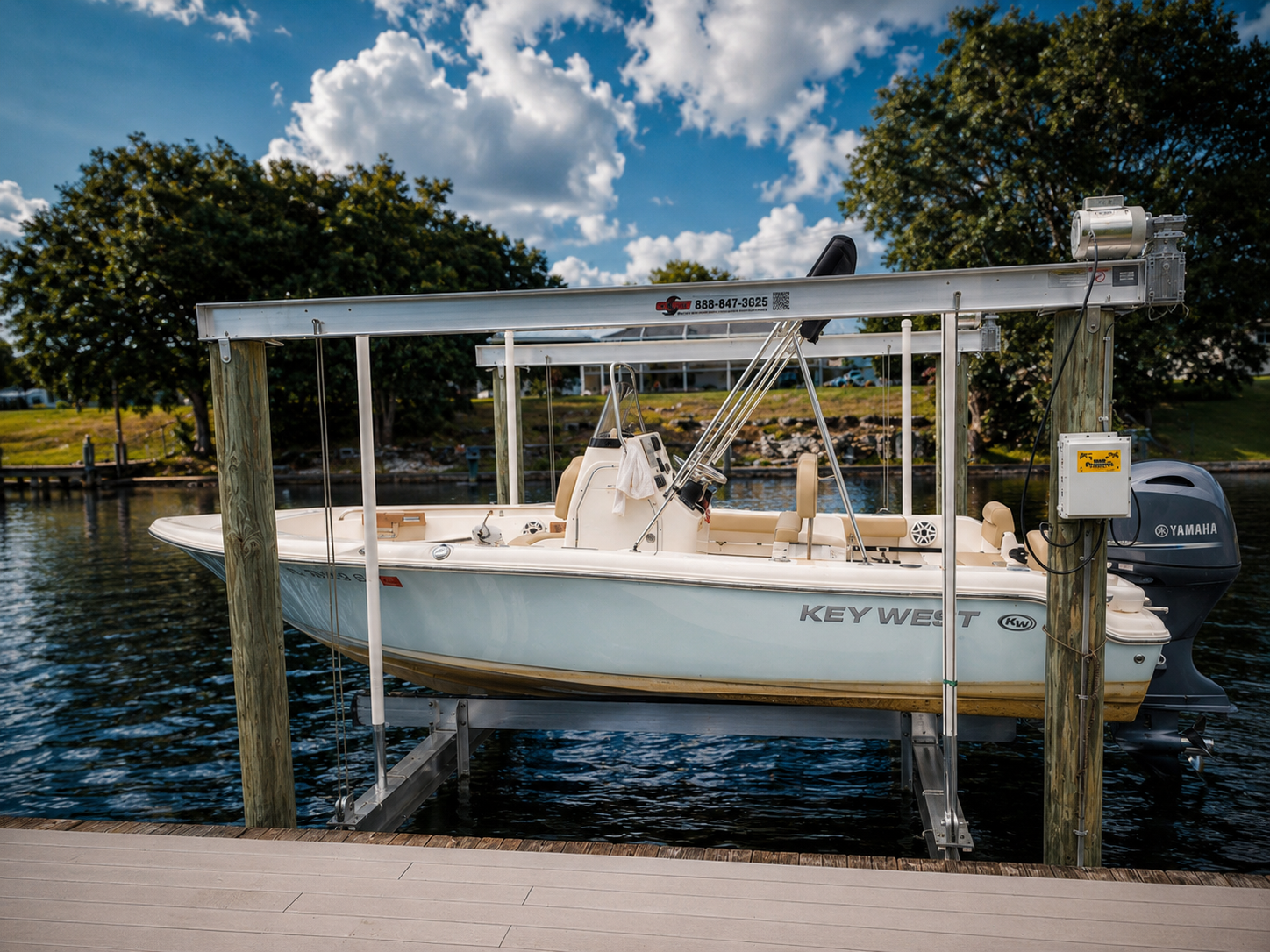
As you wash, soap and salt can flow directly onto the lift frame and hardware. If water remains around motors, cables or electrical boxes, it can contribute to corrosion and electrical problems over time. Before washing, check how water will drain from the hull and where it may collect below.
Limited Access and Stability
A lifted boat sits higher than usual, making some areas harder to reach safely. Ladders and platforms should have firm, level footing, especially when surfaces become wet during washing. Taking your time when reaching higher sections can help prevent slips and falls.
Corrosion Risk on Aluminum
Aluminum lifts resist rust, but salt and soap residue can still contribute to pitting and surface damage. If cleaning products remain on the frame, they can affect the metal over time. Rinsing the lift with fresh water helps remove residue and is just as important as rinsing the boat.
Essential Materials and Tools for Lifted Boat Washing
The right tools make washing easier while helping protect both the boat and lift. Having everything ready before you begin also means you can stay focused on the job instead of climbing down for supplies. With the right equipment on hand, boat lift care becomes part of the cleaning routine rather than an extra task.
Brushes, Cloths and Applicators
Choose cleaning tools based on the surface you are working on, as different materials need different levels of pressure and care. For example:
- Soft-bristle brushes for the hull and deck
- Microfiber cloths for glass and gelcoat
- A long-handle brush for reaching higher sections
- Separate sponges for waterline grime to help prevent scratches
The type of brush you use matters just as much as having the right tools. Stiff brushes and abrasive pads can scratch fiberglass or dull aluminum surfaces, so softer materials are a better choice for regular cleaning.
Choosing the Right Soap
Your cleaning products deserve the same attention as your brushes and cloths. Choose the best products for washing a boat on lift that are pH-balanced and biodegradable, so they can remove salt and grime without being too harsh on the boat, lift or surrounding water. Avoid bleach-based cleaners, harsh degreasers and industrial detergents that may damage these surfaces.
Here are some of the products to avoid:
- Acidic hull cleaners near lift components
- High-foaming detergents that leave heavy residue
- Solvents not rated for use with marine aluminum
Safety Equipment
Once your cleaning supplies are ready, set up the equipment you need to work safely:
- A stable ladder or platform suitable for wet conditions
- Non-slip footwear with good grip
- Eye protection for overhead cleaning
- Gloves to protect your hands from cleaning products
Step-by-Step Washing Process on a Lifted Boat
A simple washing routine keeps the job organized while reducing unnecessary risk. These safe boat washing techniques can help protect the hull, lift and person doing the work:
1. Pre-Wash Inspection
- Check the lift mechanism, cables and bunks for wear
- Confirm water drainage routes are clear
- Check for exposed wiring or loose electrical connections
- Cover or avoid the control panel and motor area
Before you start washing, take a moment to look over the lift. Spotting a frayed cable or loose connection early gives you a chance to address it before it becomes a larger problem.
2. Wash From the Top Down
Once the lift checks out, begin with the cabin, windshield and superstructure. Work downward toward the hull and waterline so dirty water flows over areas that have not yet been cleaned. This simple order helps prevent runoff from leaving clean sections dirty again.
3. Apply Soap and Rinse Gently
With the upper sections clean, apply soap to small areas using a soft brush or sponge. Rinse each section with low-pressure water before the soap dries, and keep the spray away from the lift electrical box, winch motor and control panel.
Following a step-by-step boat washing on lift routine like this can keep each wash organized while helping protect the boat and lift.
Drying and Post-Wash Lift Care
After washing, take a few minutes to dry the boat and check the lift. Removing leftover water is especially helpful around mechanical parts, where moisture can contribute to corrosion. This simple step supports long-term saltwater boat lift care and keeps the equipment in better condition.
Drying the Boat
- Use microfiber towels on the hull and glass
- Consider forced-air drying for hard-to-reach spots
- Wipe metal fittings to prevent water spots
Drying the boat also gives you a chance to spot areas where water tends to collect. Pay extra attention to fittings, seams and other hard-to-reach areas before moving on to the lift.
Inspecting the Lift After Washing
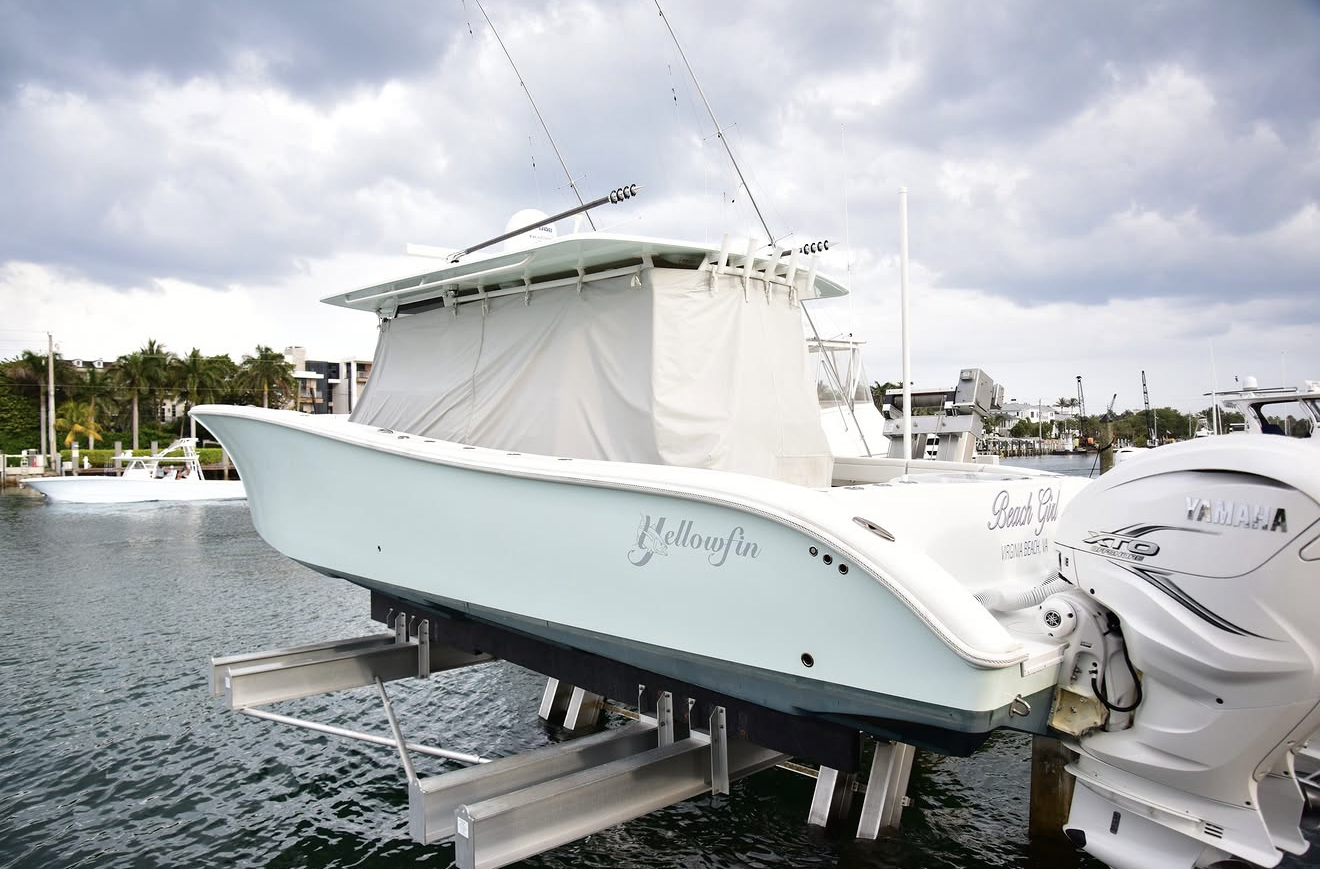
With the boat dry, check the lift base and moving parts for pooled water or soap residue. A wet/dry vacuum can help remove standing water from cradle beams and tight corners. Clearing these areas after each wash can help limit moisture-related wear.
When to Wax
A protective coat of marine wax can help preserve the results of fiberglass boat cleaning on a lift by shielding the surface from salt spray and sun exposure. Wax two to three times per year, or more often during periods of intense sunlight. A well-waxed surface also sheds dirt more easily, helping make future washes faster and more effective.
Saltwater and Coastal Boat Lift Maintenance
Coastal conditions put extra demands on both boats and lifts. Salt can settle into seams, fasteners and moving parts, where regular exposure can speed up corrosion. For Florida boat owners, consistent care can help keep the lift working reliably for longer.
Salt Exposure and Washing Frequency
Salt can accelerate corrosion on aluminum and steel components, making regular washing especially important for boats kept near the coast. Compared with freshwater boats, saltwater vessels may need more frequent cleaning to remove deposits before they build up.
Fresh-Water Rinsing
After washing, give both the boat and lift a thorough fresh-water rinse. This removes leftover salt and cleaning residue before it can remain on aluminum, fasteners or other components. A quick rinse after each outing can help keep the entire lift system in better condition.
Lubrication Schedule
After the lift has been rinsed and dried, check its moving parts and apply a corrosion-resistant lubricant as recommended by the manufacturer.
Washing can remove lubricant from cables and gears, so regular checks help keep these parts moving smoothly. Keeping the mechanism clean, dry and properly lubricated can also reduce unnecessary wear.
Frequently Asked Questions
1. Can I use a pressure washer to clean my boat on a lift?
Use caution, because high pressure can damage lift components and force water into electrical parts and hull seams. A low-pressure hose is safer for most jobs. If pressure is used, keep it low and aim it well away from motors and panels.
2. How often should I wash my boat if it stays on a lift?
Wash saltwater boats every one to two weeks, and freshwater boats less frequently. High-salt seasons and heavy use call for more frequent rinsing. Regular washing can reduce corrosion risk and help limit repair costs.
3. What is the best soap to use for washing a boat on a lift?
Choose a pH-balanced, biodegradable marine soap. Harsh detergents corrode aluminum and dull fiberglass, so avoid them near the lift. Always follow with a fresh-water rinse.
4. Is it safe to rinse water back into the water while the boat is on the lift?
Use biodegradable products and avoid heavy chemicals to protect the waterway. Soap and residue can harm local marine life. Check local marina or environmental guidelines before allowing wash water to drain into the water, especially when using soap or cleaning products.
5. How do I protect the lift’s electrical components during washing?
Keep water away from electrical boxes, control panels and the winch motor. Cover exposed connections and plan drainage before starting. Treat the area around wiring as a no-spray zone.
Final Thoughts
Washing a boat on a lift is more than a routine cleaning task. It also gives you a chance to check the lift, spot early signs of wear and protect both the boat and the equipment supporting it. A careful wash, from planning drainage to rinsing away salt and residue, can help keep everything in good condition for longer.
Simple habits can make a difference. Use lift-friendly cleaning products, keep water away from electrical components and give the lift a fresh-water rinse after washing. These steps can help reduce unnecessary wear and avoid costly repairs.
If you are considering a new boat lift or need help choosing the right setup for your waterfront property, Hurricane Boat Lifts can help. Our durable, corrosion-resistant boat lifts are built for demanding coastal conditions, giving Florida boat owners a dependable way to protect their vessels when they are not on the water.