Skip to content

Summer brings some of the best boating conditions to Sarasota, from warm Gulf waters and long days on the water to busy marinas and packed waterways. With more boats, swimmers, families, and inexperienced operators sharing the water, preparation becomes even more important. So, having the right boat safety equipment and following practical boating safety tips can help you enjoy the season with fewer risks.
Florida’s waterways can change quickly. Crowded channels, afternoon thunderstorms, strong winds, and changing water conditions can turn a relaxed outing into a stressful situation. Good preparation helps protect your passengers, your vessel and everyone else using the water.
In this blog, we cover summer boating safety practices that are simple to apply before and during each trip.
Why Summer Boating Demands Extra Safety Awareness
Summer brings heavier activity to Florida’s waterways, making the Intracoastal Waterway, canals, bays and coastal areas busier with recreational boats, rental vessels, kayaks, paddleboards and swimmers. As more people take to the water, operators may encounter others with limited boating experience or little familiarity with local channels, markers and right-of-way rules.
These conditions can make it harder to anticipate what other people on the water may do, especially in crowded areas.
The summer heat can add to these challenges. Spending long hours in the sun can lead to dehydration and fatigue, which may affect concentration and reaction time while operating a boat. At the same time, afternoon thunderstorms can develop quickly and change conditions on the water with little warning.
For that reason, good Florida boating safety begins before leaving the dock. Checking the forecast, inspecting your safety equipment, and making sure everyone on board knows what to do in an emergency can help you stay prepared throughout the trip.
7 Critical Summer Boating Safety Tips
Here are the seven critical summer boating safety tips that you must keep in mind:
1. Always Wear a Life Jacket
Wear a properly fitted, Coast Guard-approved life jacket whenever you are on the boat. A PFD stored under a seat does little good during an unexpected fall overboard. Wearing it gives you immediate flotation when you need it most, making it one of the most basic forms of boat safety equipment.
Why it matters: Summer brings more inexperienced boaters, swimmers and children onto Florida’s waterways. Falls overboard can happen quickly, particularly when passengers move around while the boat is underway. Even strong swimmers can struggle in choppy water, currents or an emergency situation.
How to apply it: Keep an approved, properly sized life jacket available for every person on board. Check the fit, buckles and straps before departure, and make sure children wear PFDs that are designed for their size and weight.
2. Slow Down And Know Your Boat
Your speed affects how quickly you can react to another boat, swimmer, or obstacle. On busy summer waterways, slowing down gives you more time to respond and maintain control. So, knowing how your boat handles at different speeds is also key to summer boating safety.
Why it matters: Sarasota-area waterways can become busy during peak boating hours, and excessive speed reduces reaction time and increases the severity of a collision. Speed also matters in shallow water, where operating too quickly can reduce control and increase the risk of striking the bottom. Local speed zones and wake restrictions apply in areas near docks, residential canals and sensitive wildlife habitats.
How to apply it: Follow posted speed limits and no-wake zones, slow down in crowded channels, and give yourself extra room around swimmers, kayaks, docks, and other vessels. Practice handling your boat at different speeds so you know how it responds when turning, stopping, or operating in shallow water.
3. Never Drive Under The Influence
Alcohol can affect balance, judgment, coordination and reaction time, making it dangerous to operate a boat after drinking. Florida prohibits boating under the influence, with penalties that can include fines, possible jail time and other criminal consequences.
Why it matters: Sun exposure, heat and dehydration can make the effects of alcohol feel stronger. Fatigue and some medications can also reduce alertness or coordination, even when no alcohol is involved.
How to apply it: Choose a sober, rested operator before leaving the dock and make sure that person remains responsible for the vessel. If you plan to drink, arrange for someone else to operate the boat or wait until you are safely back at the dock.
4. Brief All Guests Before Departure
Give every passenger a quick safety briefing before leaving the dock. Point out the locations of life jackets, fire extinguishers, first-aid supplies, throwable flotation and communication equipment. Explain what to do if someone falls overboard or another emergency occurs so everyone knows how to respond calmly.
Why it matters: Passengers who rarely spend time on boats may not know where emergency gear is stored or how quickly conditions can change. Children and first-time passengers may also need guidance on where to sit and how to move safely around the vessel.
How to apply it: Spend two or three minutes covering the essentials. Show guests how to put on a PFD, explain your emergency communication procedure and identify who they should contact if you are unable to operate the boat.
A quick passenger briefing is a simple part of recreational boating safety that can help everyone respond more effectively during an emergency.
5. Check Weather and Water Conditions
Check the marine forecast before every trip and continue watching conditions while you are on the water. Florida’s afternoon thunderstorms can develop rapidly, bringing lightning, sudden wind changes, heavy rain, and rougher waves. Checking conditions before departure is one of the easiest boating safety tips to put into practice.
Why it matters: A calm morning does not guarantee calm conditions later in the day. Wind direction, waves, visibility and storm activity can change quickly along Florida’s coast.
How to apply it: Review the local marine forecast before leaving and keep an eye on the sky during the trip. If you see building storm clouds, increasing wind or worsening water conditions, head back while you still have time. Postponing a trip is better than trying to outrun a storm.
6. Know Your Boat and Boat Lift Weight Limits
Know your boat’s total weight before using a lift. The load can include the vessel, fuel, passengers, batteries, equipment, and gear. Check the boat’s capacity plate and compare its fully loaded weight with your lift’s rated capacity. Accurate weight planning supports boat safety equipment decisions and proper boat storage.
Why it matters: An overloaded boat can be harder to control and less stable on the water. A lift that is not rated for the vessel’s actual loaded weight can also experience excessive stress and may not support the boat properly.
How to apply it: Start with the manufacturer’s capacity information and account for fuel, passengers, and equipment rather than relying on the boat’s dry weight. When buying or upgrading a lift, confirm that its rated capacity can support the boat at its fully loaded weight.
Pro tip: Use the Boat Lift Weight Capacity Calculator to estimate the appropriate lift capacity for your vessel.
7. Understand Local Boating Laws and Regulations
Review the boating rules that apply to the waters where you plan to operate. Florida requirements can cover speed zones, wake restrictions, navigation lights, required safety gear, and operator education. Knowing the local rules helps you make informed decisions and supports responsible water safety summer practices.
Why it matters: Boating regulations can differ based on location, vessel type and operating conditions. A rule that applies in one waterway may not apply in another, so relying on memory alone can lead to mistakes.
How to apply it: Review current state and local requirements before heading out. Make sure required equipment is on board, accessible, and in usable condition. If an operator education card or approved safety course applies to you, complete the required course before operating the vessel.
Why Boat Lift Protection Complements Safety Practices
Boating safety continues after you return to the dock. Proper storage helps protect your boat between trips and limits exposure to conditions that can cause wear and damage.
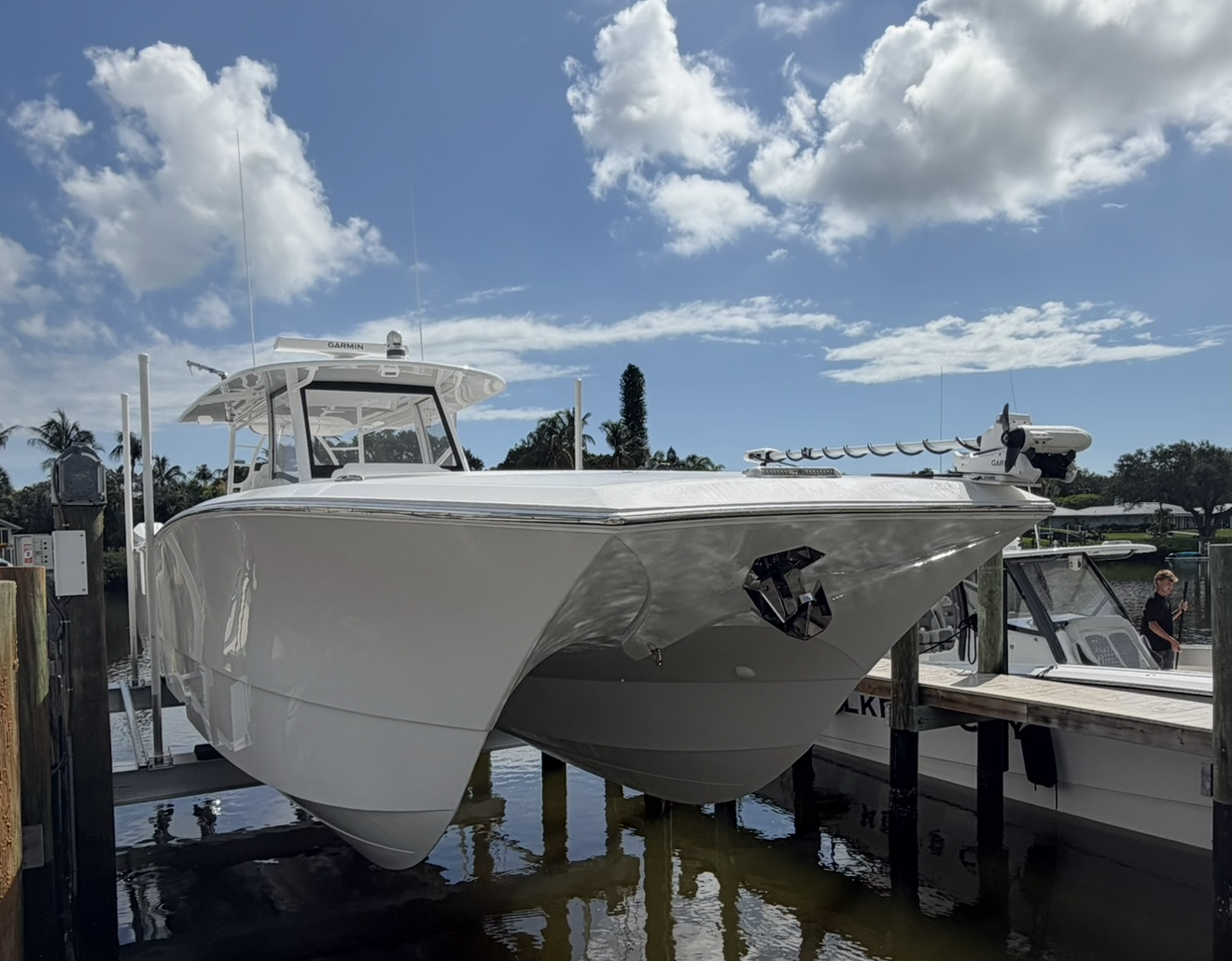
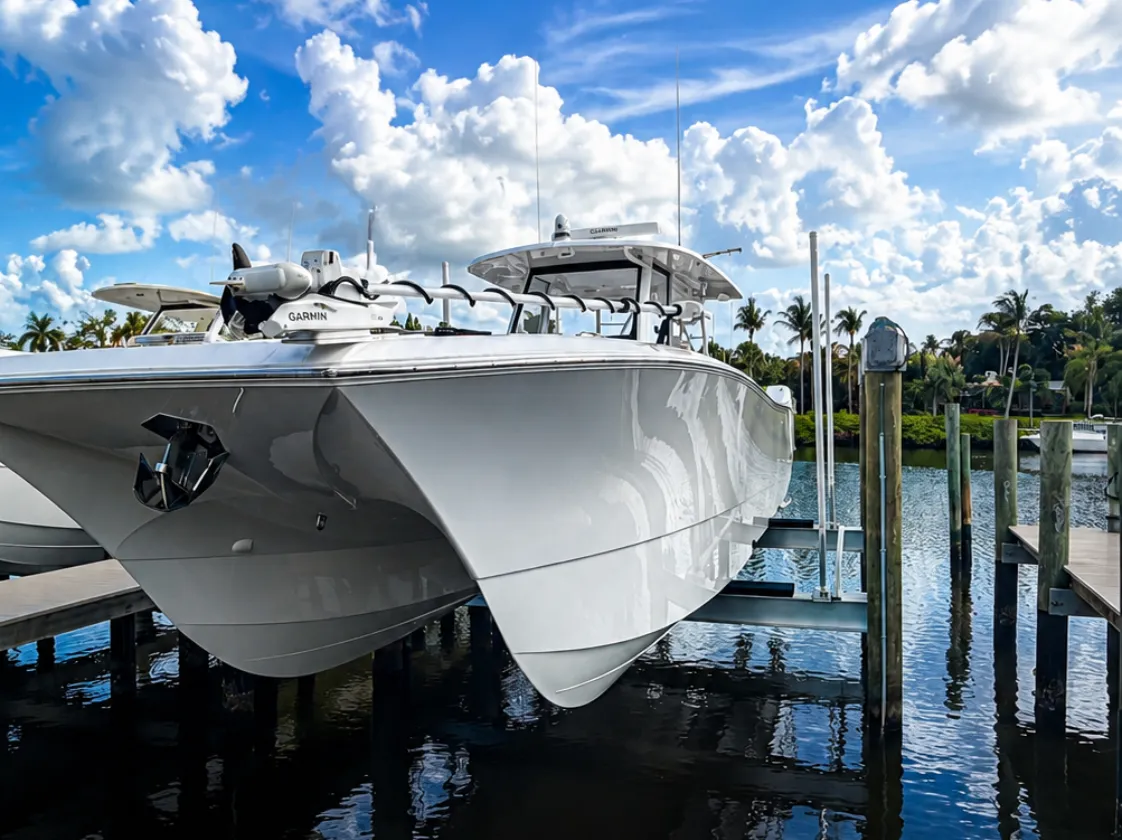
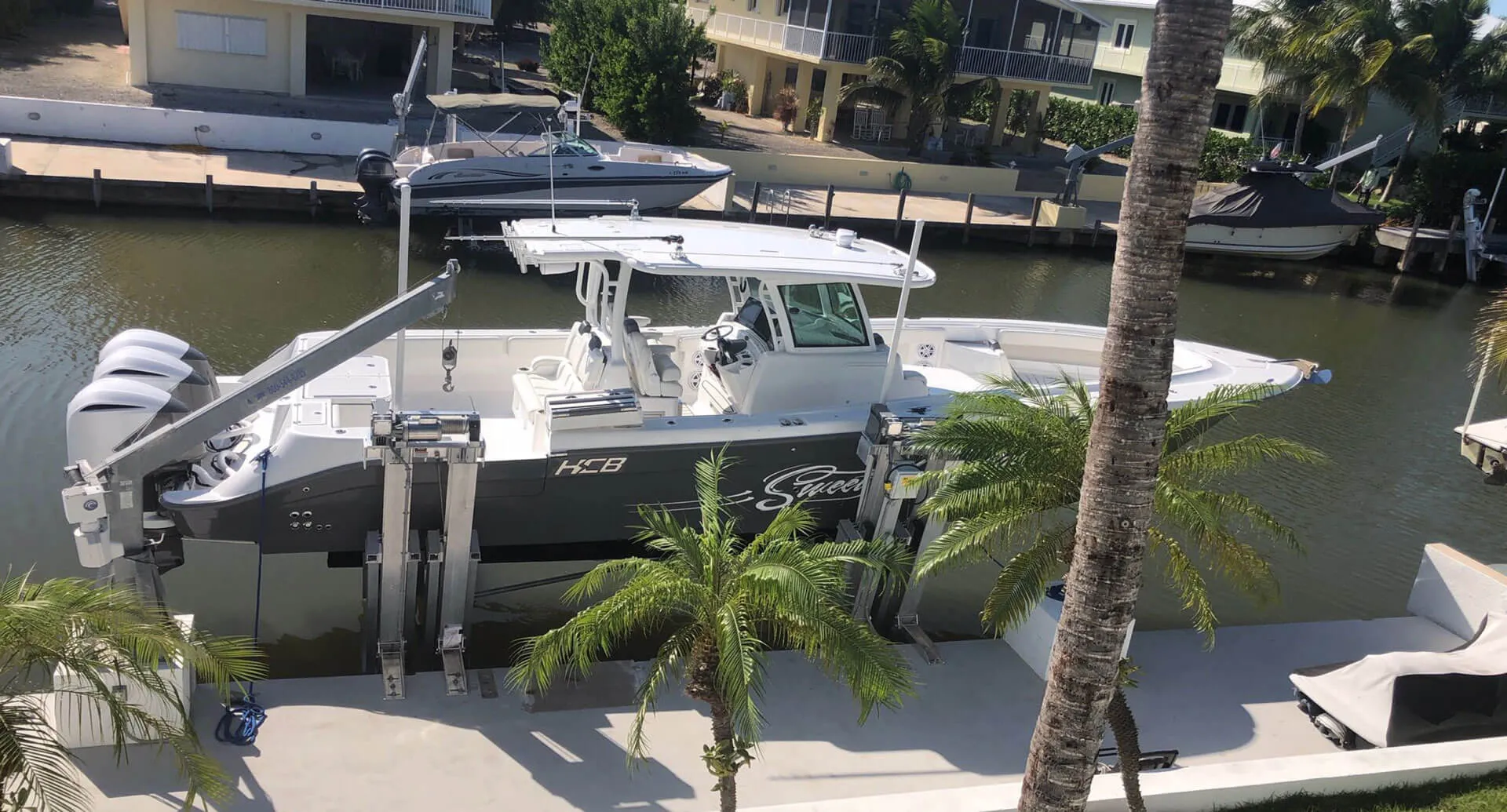
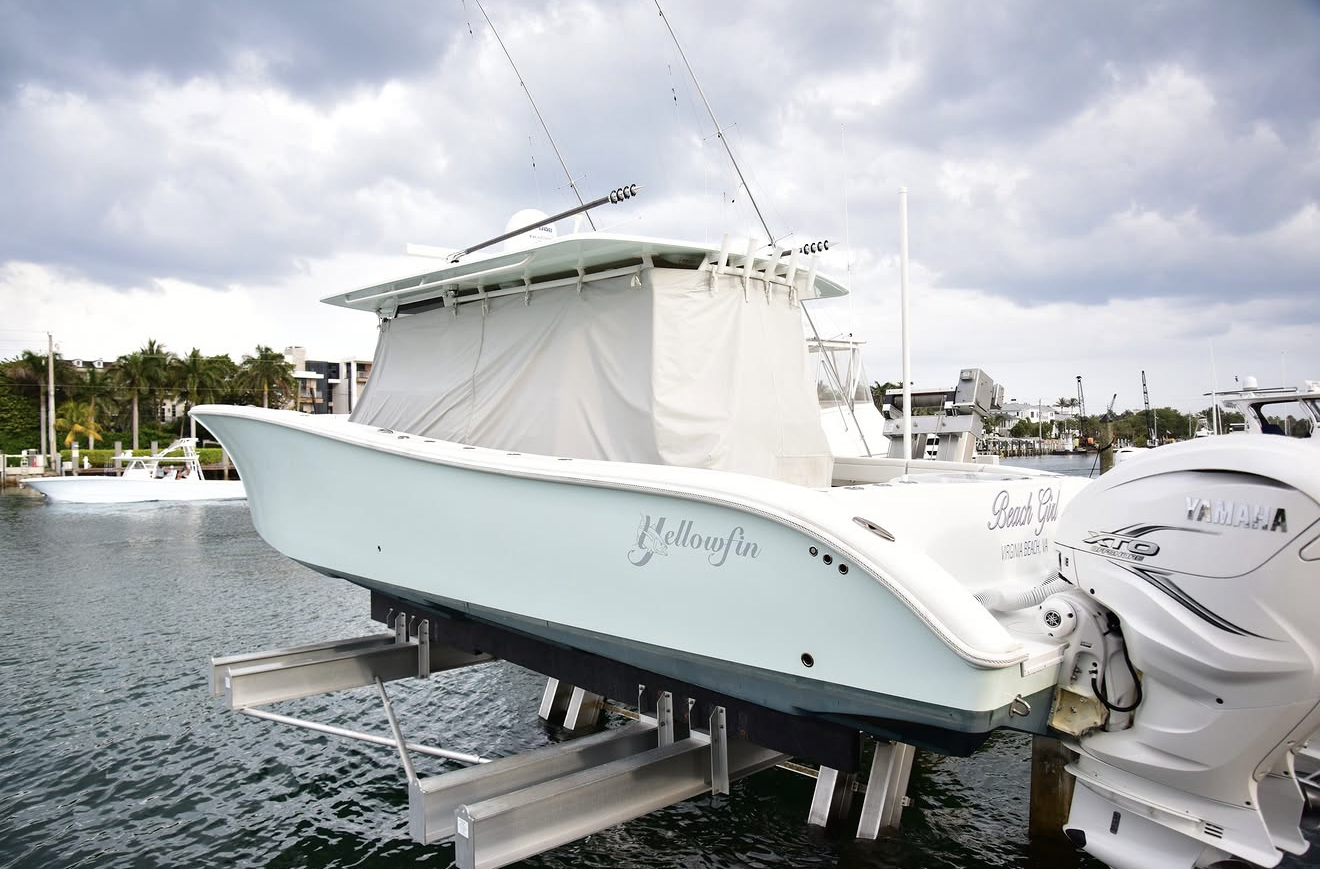
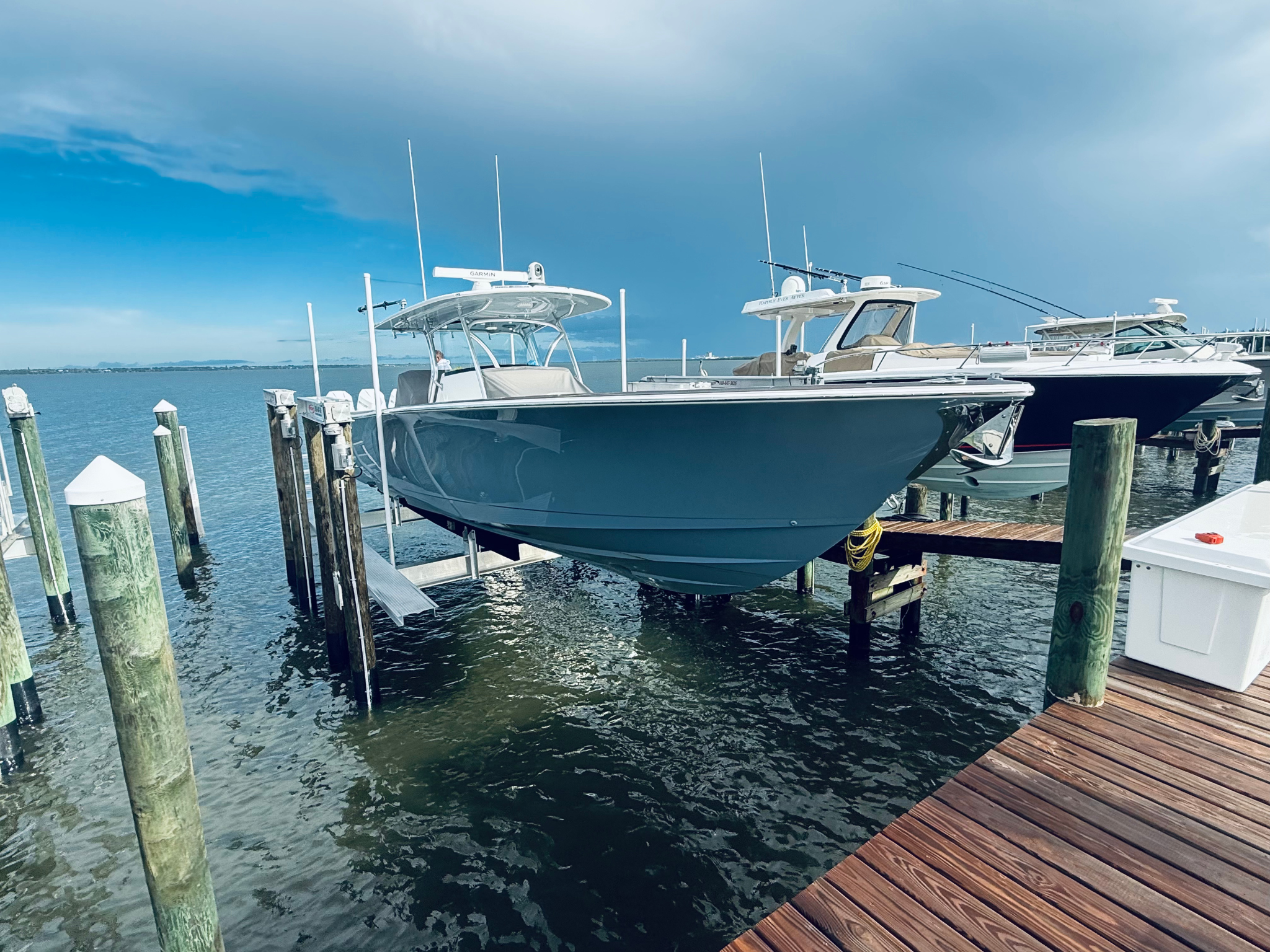
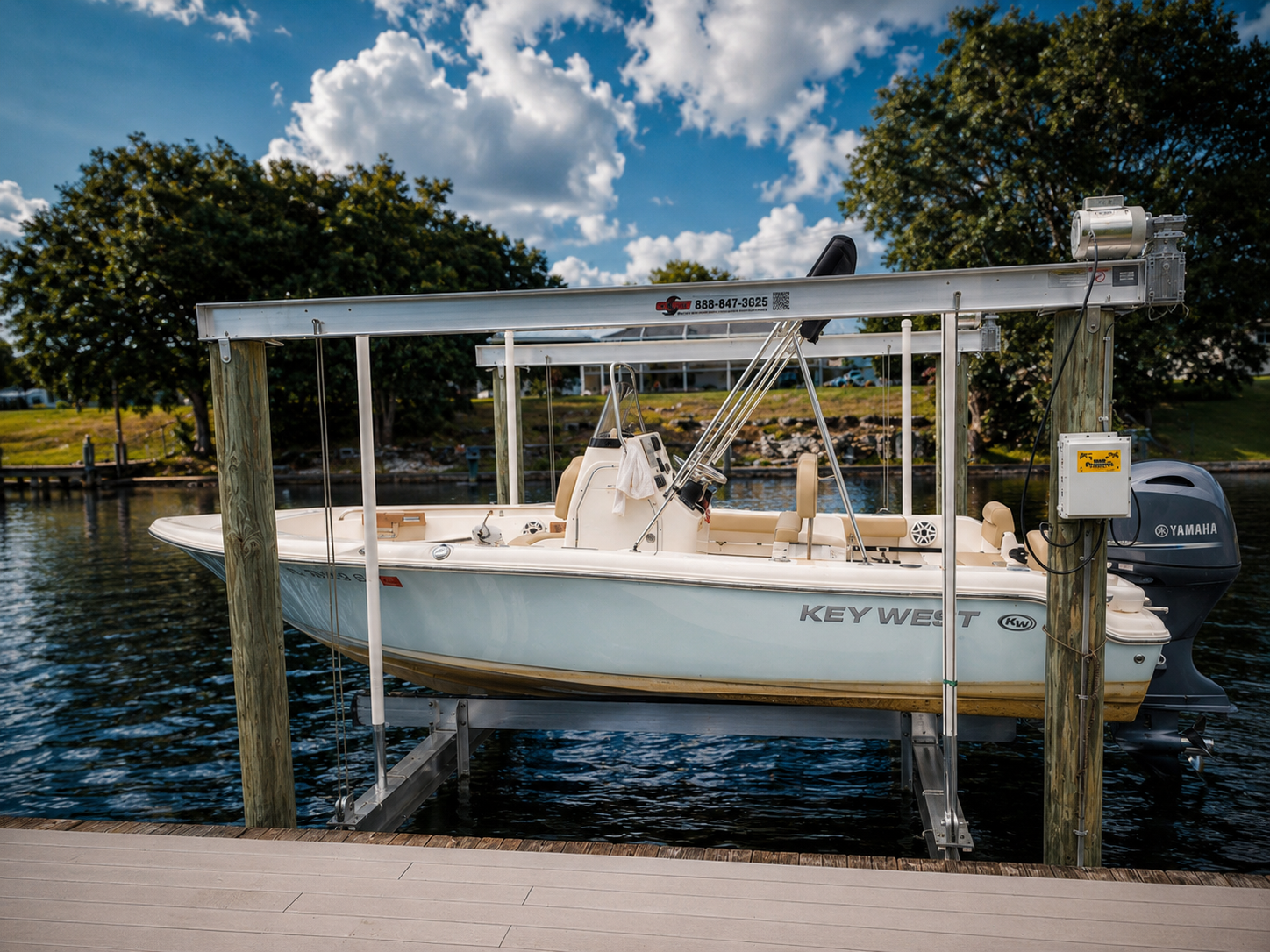
A properly sized and maintained boat lift keeps much of the vessel above the water when it is not in use. Properly fitted cradle supports help support the hull while the boat is lifted, helping reduce prolonged saltwater exposure, limit marine growth and provide added protection from some dock-related impacts.
A boat lift can also help protect against:
- Corrosion and hull damage caused by prolonged saltwater exposure
- Dock collisions from changing tides, wakes and rough weather
- UV exposure and marine growth that can wear down the vessel over time
- Storm-related conditions during Florida’s active hurricane season
Take the Free BoatUS Safety Course
A boating safety course can help new and experienced operators refresh their knowledge before the busy season. The BoatUS Foundation offers a free online boating safety course covering topics such as navigation, required equipment and emergency procedures.
This online course offers a convenient refresher on summer boating safety topics that matter, including navigation rules, distress signals and safe operating practices.
For families, new boat owners and anyone who has not reviewed boating rules recently, taking a course can be a useful addition to your regular boating safety tips checklist.
Frequently Asked Questions
1. Why do I need to wear a life jacket?
A life jacket provides flotation if you fall overboard or the boat capsizes. A PFD stored in a compartment may not be accessible during a sudden emergency. Wear a properly fitted, Coast Guard-approved life jacket, particularly when conditions are rough, or children are on board.
2. Why is slowing down important in summer boating?
Slowing down gives you more time to react to swimmers, kayaks, paddleboards and other boats. Busy summer waterways also make it easier to encounter unexpected traffic. Follow posted speed limits and wake restrictions, and adjust your speed for visibility and water conditions.
3. What are Florida’s boating under the influence laws?
Florida prohibits operating a vessel while under the influence of alcohol or certain controlled substances. BUI (Boating Under the Influence) can result in criminal penalties, including fines and possible jail time. Fatigue, dehydration, and medications can also affect alertness, so the operator should be sober and rested.
4. What should I brief guests on before departure?
Show passengers where life jackets and emergency equipment are stored. Explain what to do if someone falls overboard and how to communicate during an emergency. Children and inexperienced passengers should receive additional instructions about where they can sit and how they should move while the boat is underway.
5. What weather conditions make summer boating unsafe?
Lightning, strong or shifting winds, rapidly building storms, poor visibility, and rough waves can create unsafe conditions. Florida thunderstorms can develop quickly, so check the marine forecast before departure and monitor conditions while boating. If conditions deteriorate, return to shore or postpone the trip.
6. What is the correct way to calculate boat weight capacity?
Add the boat’s weight, fuel, passengers, batteries, equipment, and gear to determine the total operating load. Compare that figure with the boat’s capacity plate and the boat lift’s rated capacity. The lift should be rated for the vessel’s actual loaded weight, rather than its dry weight alone.
Connect With a Hurricane Boat Lifts Dealer Near You
Boating safety does not end when you return to the dock. The way you store and support your boat between trips can also affect its condition over time. A properly rated and maintained boat lift can help reduce prolonged water exposure, everyday wear, and the effects of changing coastal conditions throughout Florida’s busy boating season.
Since every boat and waterfront is different, choose a lift that fits your vessel, water depth and local conditions. Recheck the lift’s capacity if you add equipment or make changes that increase the boat’s weight.
Ready to find the right lift for your boat? Contact Hurricane Boat Lifts or connect with a local dealer to discuss your vessel, waterfront, and lift needs.