Skip to content
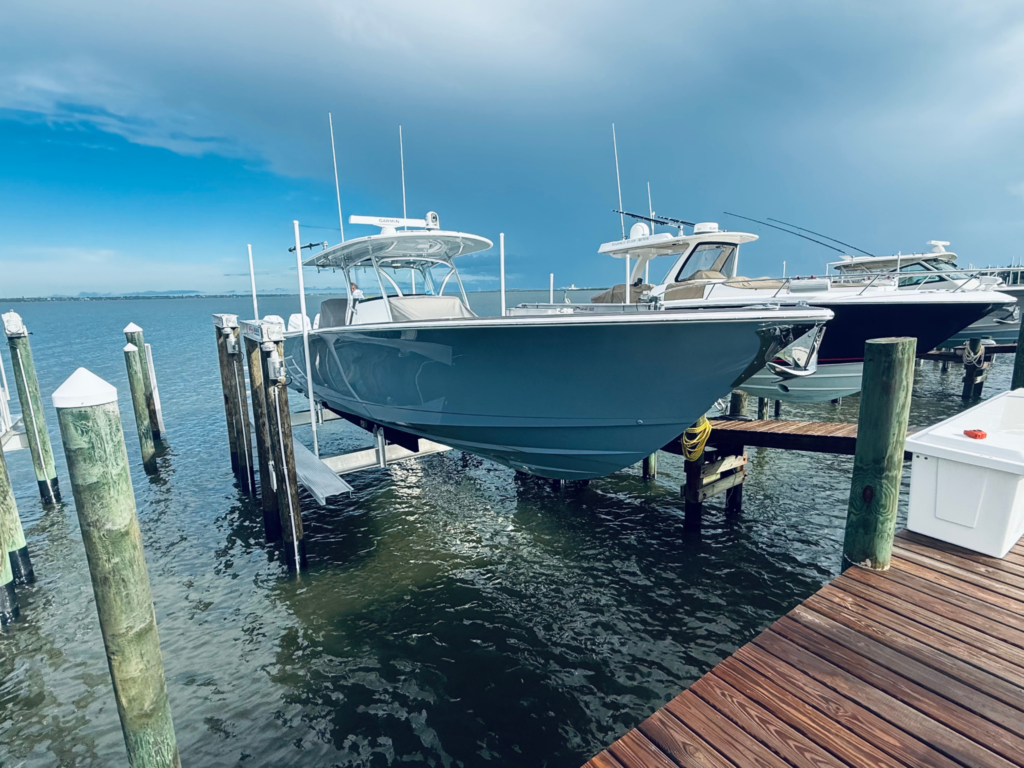
High-traffic waterfronts don’t have room for slow or unreliable equipment. When multiple boats are moving in and out throughout the day, every delay creates a bottleneck. Every breakdown costs time, money, and customer experience.
That pressure is real. According to the National Marine Manufacturers Association, there are over 12 million registered recreational boats in the United States, with millions of Americans using marinas, rental docks, and waterfront facilities each year. That level of activity puts constant demand on lift systems, especially in shared or commercial environments.
Choosing the right commercial boat lifts is less about preference and more about performance. The right system handles constant use, reduces downtime, and keeps operations moving without interruption.
Here’s what we’ll cover:
- What actually defines a high-traffic waterfront setup
- Which marina lift systems perform best under heavy use
- The features that matter for speed, durability, and safety
- How to reduce downtime and avoid operational slowdowns
- A step-by-step approach to choosing the right lift system
What Defines a High-Traffic Waterfront Property?
Not every busy dock qualifies as high-traffic. The difference is not just how many boats are present. It is how often they move and how many different people are using the same equipment throughout the day.
At a private dock, a lift might be used once or twice. In a marina or rental setup, it can run nonstop. That level of use changes everything. It puts more stress on the system, increases the chance of operator error, and exposes weaknesses much faster.
Where You See It Most
High-traffic waterfront setups tend to show up in environments where boats are constantly moving and equipment is shared across users. The volume alone creates pressure, but the bigger factor is how often the lift is used without much downtime.
These locations rely on lift systems as part of daily operations, not occasional use. That difference is what separates them from standard residential setups.
High-traffic conditions usually show up in a few common environments:
- Marinas, where boats are constantly arriving and leaving throughout the day
- Boat clubs and rental operations, where multiple users rely on the same lift
- Waterfront hotels and resorts, where guests may not be familiar with the equipment
- Shared commercial docks, where usage is high and control is limited
What Makes These Setups More Demanding
The challenge is not just that these environments are busy. It is how that activity plays out over time. Repetition, variation, and constant use all put pressure on the system in ways a standard setup is not built to handle.
In high-traffic settings, small issues show up faster and compound quickly. What feels minor in the moment can turn into wear, misalignment, or downtime if the system is not built for it.
These setups tend to be more demanding for a few key reasons:
- Lifts are used back-to-back with little downtime
- Boat sizes and weights vary from one use to the next
- Operators have different levels of experience
- Small errors happen more often and add up over time
This is where standard systems start to fall short. What works fine at low volume can become inconsistent or unreliable when it is pushed like this.
Why Choosing the Right Boat Lift Matters
In a high-traffic environment, lift is part of the operation. If it slows down, everything slows down.
Delays stack up quickly. A lift that takes longer to cycle, struggles with heavier loads, or needs frequent adjustment becomes a bottleneck. Over time, that affects throughput, staff efficiency, and the overall experience for anyone using the dock.
Choosing the right commercial boat lifts comes down to performance under pressure. The system needs to handle constant use, reduce the risk of breakdowns, and stay consistent across different operators and boat types.
When the lift is built for that level of demand, a few things change:
- Turnaround times stay predictable, even during busy periods
- Equipment holds up under repeated use without constant repair
- Staff spend less time troubleshooting and more time moving boats
- The risk of user error and damage is reduced
The wrong system does the opposite. It introduces friction into every part of the process and turns routine use into a source of problems.
Types of Boat Lifts Suitable for High-Traffic Use
Not every lift holds up under constant use. Some are built for occasional operation. Others are designed to handle repeated cycles without slowing down or wearing out quickly.
In high-traffic environments, the goal is consistency. The system needs to perform the same way on the first use of the day and the fiftieth.
Floating Boat Lifts
Floating lifts are designed to adapt. They rise and fall with the water, which makes them useful in areas with changing levels or tidal movement.
They are also easier for different users to operate, which matters in shared environments.
Where they work well:
- Rental docks
- Boat clubs
- Areas with fluctuating water levels
Where they can fall short:
- Less stable under heavy loads
- Not ideal for larger vessels
They are a strong option when flexibility matters more than maximum capacity.
Piling-Mounted (Permanent) Lifts
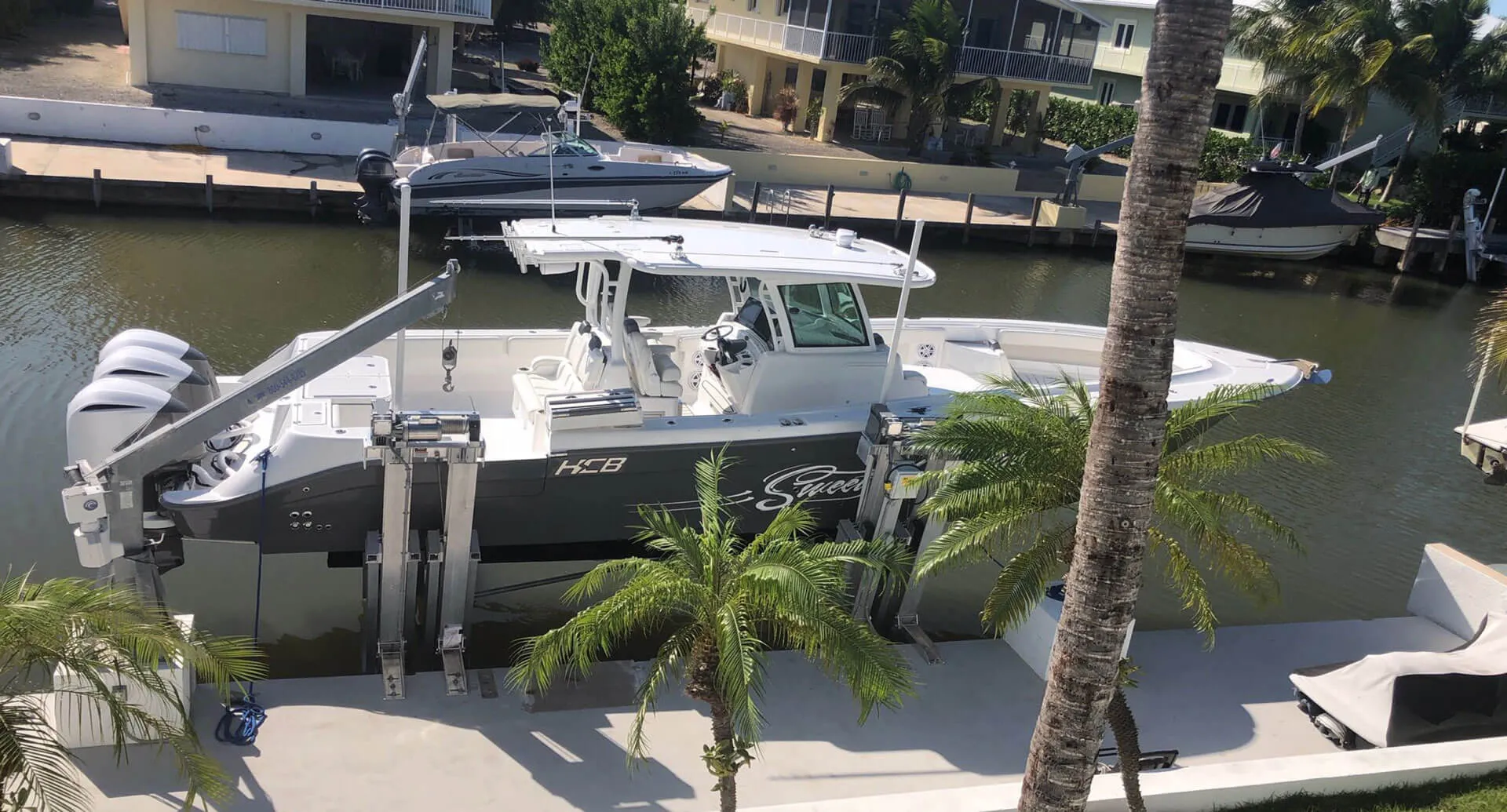
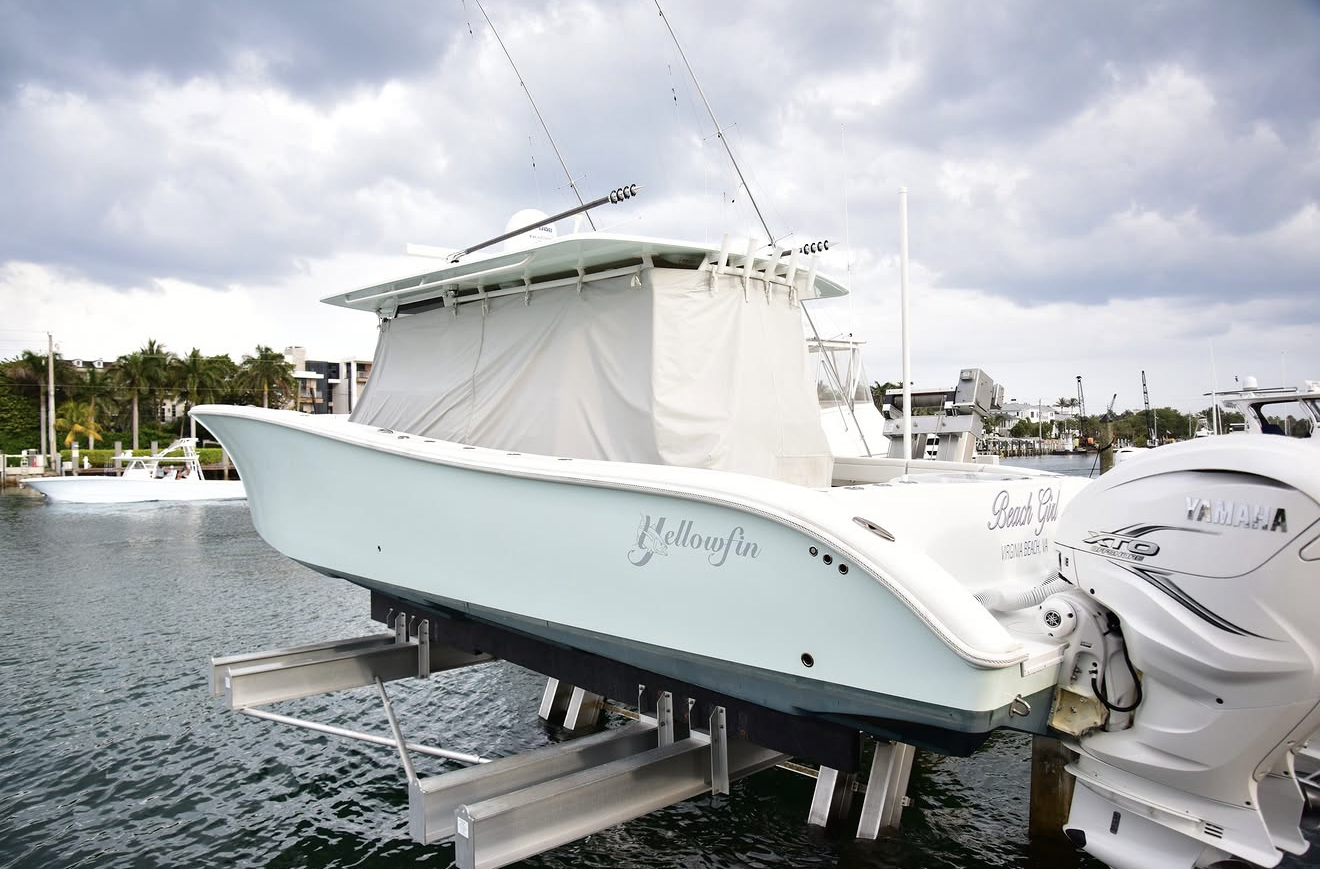
Piling-mounted systems are built for durability. They are fixed in place and designed to handle repeated use over long periods.
These lifts are common in established marina setups where reliability is more important than flexibility.
Where they work well:
- Fixed dock environments
- High-capacity applications
- Long-term installations
Where they can fall short:
- Less adaptable if conditions change
- Higher installation complexity
They are a good fit when the environment is stable and the demand is consistent.
Drive-On (PWC and Small Boat) Lifts
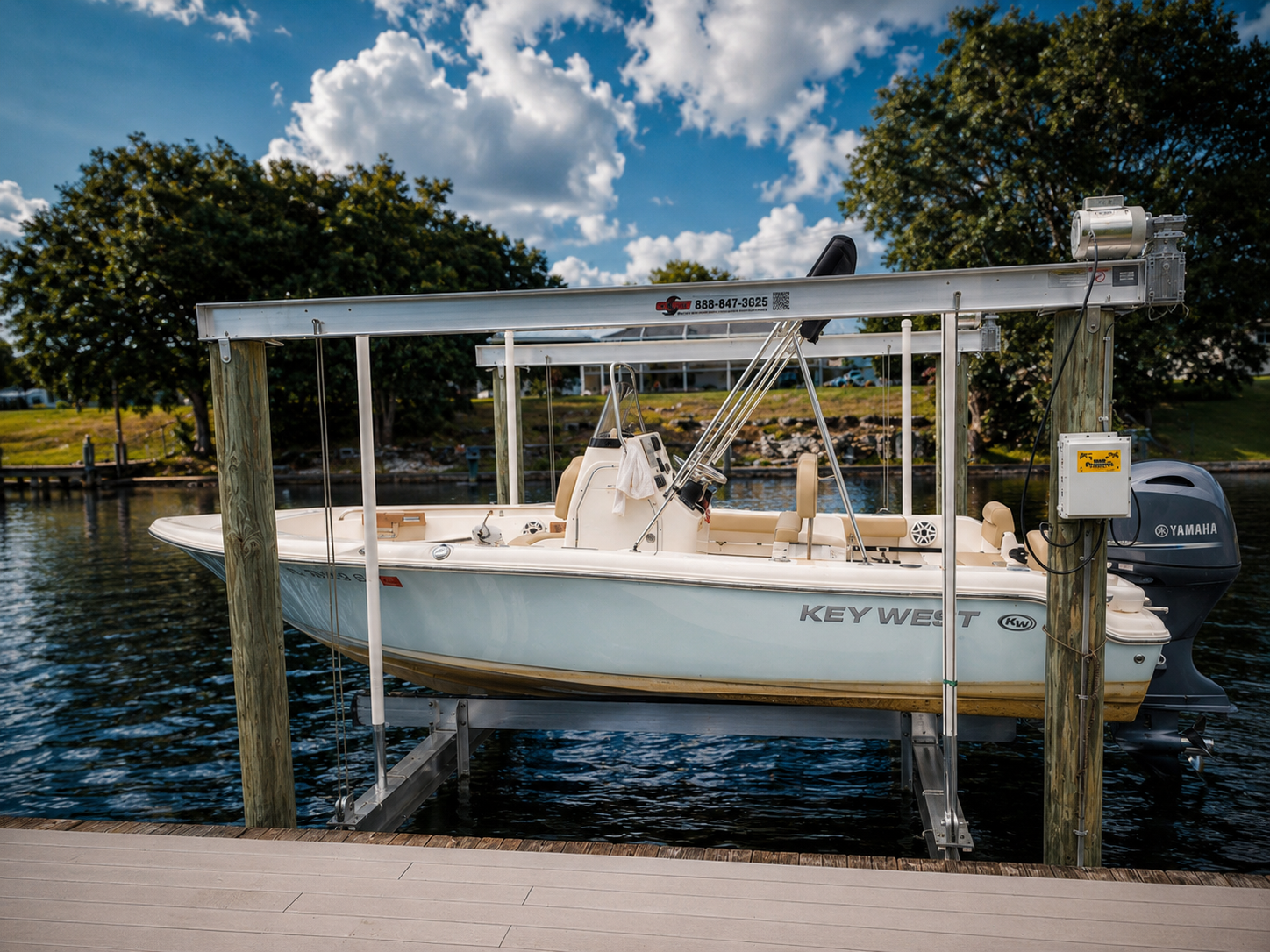
Drive-on systems are designed for speed. They allow users to bring a boat in and secure it quickly without much adjustment.
This makes them useful in high-turnover environments, especially for smaller vessels.
Where they work well:
- Jet skis and small boats
- Rental operations
- Quick in-and-out usage
Where they can fall short:
- Limited to smaller craft
- Not suitable for heavier loads
They are less about capacity and more about efficiency.
Key Features Commercial Boat Lifts Must Have
In high-traffic environments, features dictate whether the system can keep up. The right marina lift systems are built to handle constant use without slowing down, breaking down, or requiring constant adjustment. That comes down to a few core features.
Heavy Load Capacity
Capacity is the baseline, but consistency under load is what matters. In high-traffic setups, lifts are not handling the same boat every time.
They need to support different weights without strain or constant recalibration. A system that runs near its limit will wear out faster and become less reliable over time.
Corrosion-Resistant Materials
Saltwater and exposure do not give you a break. Marine-grade aluminum and stainless steel hold up better under constant use and harsh conditions.
Lower-grade materials may work at first but tend to degrade faster when exposed to moisture, salt, and repeated cycles. Durability here directly affects maintenance and downtime.
High-Speed Motors and Automation
Speed matters when volume is high. Faster lifting cycles reduce bottlenecks and keep traffic moving.
Automation also helps standardize operation, which is important when multiple people are using the same system. Slower systems create backups. Over time, that becomes a bigger operational issue.
Remote and Centralized Control Systems
Control affects both efficiency and consistency. Remote systems allow operators to position themselves where they can see the lift clearly.
Centralized controls allow staff to manage multiple lifts without moving between stations. In high-traffic environments, this reduces confusion and keeps operations flowing.
Safety Mechanisms
More users means more variability. Features like emergency stops, overload protection, and anti-slip surfaces reduce the risk of mistakes turning into damage or injury.
These systems do not get used every time, but they matter when something goes wrong.
Modular and Scalable Design
Demand changes over time. A system that can expand or adapt is easier to work with long term.
Modular designs allow additional lifts or upgrades without rebuilding the entire setup. That flexibility is important in growing marinas or rental operations.
What Boat Lifts Work Best for Marinas?
Marinas need lift systems that keep up with volume. Speed, consistency, and ease of use matter more than flexibility in most cases. When traffic is high, even small delays can create backups that affect the entire dock.
The best commercial boat lifts for marinas are the ones that perform the same way every time. They need to handle different operators, varying boat sizes, and constant use without slowing down or requiring adjustment.
In most cases, a couple systems stand out:
- Floating boat lifts: Ideal for rental or mixed-use docks with changing water levels and varied users.
- Piling-mounted lifts: Best for fixed marina setups where long-term durability and stability matter most.
The right choice depends on how the marina operates, but in all cases, the focus should stay on performance. A system that keeps up with demand will always outperform one that simply meets basic requirements.
How to Reduce Downtime in Busy Dock Operations
Downtime compounds quickly in high-traffic environments. When one lift goes down or slows, it creates backups that affect the entire dock.
Routine Maintenance Schedules
Regular maintenance keeps small issues from turning into bigger failures. Daily checks help catch obvious problems before operation begins. Weekly and seasonal inspections go deeper, focusing on wear, alignment, and component performance.
Staying consistent here reduces unexpected breakdowns and keeps systems running predictably.
Investing in Quality Equipment
Cheaper systems often cost more over time. Lower-grade components wear out faster under repeated use.
In high-traffic environments, that leads to more repairs, more downtime, and more disruption. Higher-quality systems are built to handle volume, which improves long-term reliability and reduces overall operating costs.
Backup Power and Redundancy
Power loss should not stop operations completely. Backup systems allow lifts to keep running during outages or interruptions.
Redundancy in key components also reduces the risk of a single failure shutting everything down. In busy environments, that kind of protection keeps operations moving.
Staff Training
How the lift is used matters just as much as how it is built. Consistent training helps reduce misuse, improper loading, and unnecessary strain on the system.
When multiple people are operating the same equipment, standardizing how it is used leads to fewer errors and more predictable performance.
Quick-Access Spare Parts
Repairs take longer when parts are not available. Keeping essential components on hand allows issues to be fixed quickly instead of waiting on replacements.
In high-traffic environments, faster repairs mean less disruption and less impact on daily operations.
Cost Considerations for Commercial Boat Lifts
Cost is not just about the upfront price. In high-traffic environments, it is about how the system performs over time and what it takes to keep it running.
Key factors to consider:
- Initial investment vs long-term value: Lower-cost systems often lead to higher repair and replacement costs under heavy use.
- Installation and infrastructure costs: Commercial lifts may require added structural and electrical work depending on the setup.
- Maintenance and operational expenses: Ongoing upkeep is necessary, especially in high-use environments.
- Return on investment: Reliable systems reduce downtime and improve overall operational efficiency.
The goal is to avoid systems that cannot keep up. In high-traffic environments, performance over time matters more than the initial price.
Choosing the Right Marina Lift System: Step-by-Step
Choosing the right system comes down to matching performance to how the dock actually operates. Work through each step to narrow down the right marina lift system.
Step 1: Assess Traffic Volume and Boat Types
Start with how often the lift will be used and what kinds of boats it needs to handle. High turnover and mixed vessel types increase the need for faster, more consistent systems.
A setup handling small PWCs all day has different demands than one managing larger boats with fewer cycles.
Step 2: Determine Weight Capacity Needs
Capacity should cover the heaviest expected load, not the average. Include fuel, gear, and variation between vessels.
Systems that operate near their limit tend to wear out faster and become less reliable under constant use.
Step 3: Evaluate Water Conditions
Water movement affects how a lift performs. Tides, waves, and current all add stress to the system. In more exposed environments, stability and durability matter more than convenience features.
Step 4: Compare Lift Types and Features
Not all systems are built for high-traffic use. Focus on performance under repeated cycles. Speed, consistency, and ease of use should guide the decision.
Step 5: Set a Realistic Budget
Budget should reflect long-term use, not just upfront cost. Higher-quality systems tend to reduce maintenance, downtime, and replacement costs over time.
Step 6: Consult Professionals or Manufacturers
Experience helps avoid costly mistakes. Working with a provider like Hurricane Boat Lifts can help match the system to the dock layout, usage level, and water conditions.
Common Mistakes to Avoid
Most issues in high-traffic environments come down to a few predictable mistakes. They usually show up early and get worse over time.
Underestimating Load Capacity
Sizing for average use instead of peak demand creates problems fast. When lifts are pushed near their limits, components wear out quicker and performance becomes inconsistent. High-traffic setups need margin, not just adequacy.
Ignoring Maintenance Requirements
Heavy use increases wear. Skipping maintenance only accelerates it. Without regular checks, small issues turn into failures that take lifts out of service. In busy environments, that downtime spreads quickly across operations.
Choosing Low Cost Over Quality
Lower-cost systems often cannot keep up with repeated use. They may work initially, but performance drops under volume. Repairs increase, reliability decreases, and the total cost ends up higher over time.
Not Planning for Future Expansion
Demand rarely stays the same. A system that works today may not support increased traffic later. Without room to expand, upgrades become more expensive and disruptive.
Overlooking Safety Features
More users means more variability in how equipment is handled. Without proper safety mechanisms, small mistakes can lead to damage or injury. In high-traffic environments, these risks are harder to control.
Additional Tips for High-Traffic Waterfront Efficiency
Small operational changes can improve flow just as much as equipment upgrades. In busy environments, consistency and clarity matter.
- Use clear signage: Reduces confusion and keeps traffic moving.
- Optimize dock layout: Improves flow and reduces congestion.
- Standardize procedures: Limits errors and equipment strain.
- Use smart dock systems: Improves coordination across lifts.
- Upgrade outdated equipment: Prevents slowdowns and extra maintenance.
Frequently Asked Questions
What boat lifts work best for marinas?
Floating systems tend to perform best in marina environments. They are easier to operate and adapt well to changing water levels, which makes them a strong option for shared or rental docks.
How long do commercial boat lifts typically last?
Lifespan depends on usage, materials, and maintenance. In high-traffic environments, well-built systems can last many years, but only with consistent upkeep. Lower-quality systems tend to wear out faster under repeated use and may require more frequent repairs or replacement.
What size boat lift do I need for a marina?
The lift should be rated above the heaviest expected load, not the average. This includes fuel, gear, and variation between vessels. High-traffic environments require additional capacity to handle repeated use without strain.
Are commercial boat lifts customizable?
Yes. Most commercial boat lifts can be configured based on dock layout, water conditions, and vessel types. Customization helps improve performance and ensures the system fits how the dock actually operates.
What power options are available for marina lift systems?
Most systems run on electric power, but options can vary depending on the setup. Backup power solutions are often used in high-traffic environments to prevent downtime during outages.
Can multiple boats share the same lift system?
In some setups, yes. Floating and drive-on systems are more commonly shared, especially in rental or club environments. The key is making sure the system is designed for that level of use.
How often should commercial boat lifts be inspected?
High-traffic systems should be checked regularly. Daily visual checks and more detailed weekly or seasonal inspections help catch wear early and prevent larger issues.
Do commercial lifts need special features?
Yes. High-traffic environments benefit from features like faster motors, stronger materials, and safety systems. These are not upgrades. They are necessary for consistent performance.
Keep Your Waterfront Running Without Slowdowns
Most problems come from systems that were not designed for this level of demand. Choosing the right setup from the start avoids those issues and keeps operations predictable over time.
If you are evaluating options or planning an upgrade, working with an experienced provider like Hurricane Boat Lifts can help match the system to your dock, your traffic level, and your long-term needs.
Get a recommendation that keeps your waterfront running smoothly. Request a quote today.