Skip to content


Choosing a lift by the dry weight printed on a spec sheet is one of the most common mistakes yacht owners make. It looks simple. Grab the builder’s number, find a lift rated a little higher, and move on. The problem is that the number rarely reflects what the boat weighs at the dock.
Safe yacht lift capacity is based on fully loaded weight, not the brochure figure. Fuel, water, gear, and aftermarket additions can add thousands of pounds. Ignore them, and you risk hull stress, equipment failure, or a lift that sits underwater at the worst possible moment.
This guide walks through the difference between dry and fully loaded weight, a step-by-step calculation method, how to set a safety margin, and how to match capacity to the right lift type. The goal is to avoid undersizing the lift or overspending on more capacity than the vessel needs.
Why Getting Lift Capacity Right Actually Matters
An undersized lift can create serious safety risks. When a lift carries more than its rated capacity, cables, motors, and beams face stress they were not designed to handle. That can lead to premature wear, structural damage, or failure.
Choosing the right capacity starts with the boat’s real loaded weight, not just the number on the spec sheet. Not sure how much capacity you need? This boat lift weight capacity calculator can help you estimate the right lift capacity for your boat.
Oversizing creates a different problem: unnecessary cost. A lift rated well above your vessel’s needs can mean paying more for larger motors, heavier beams, and a more expensive installation. The goal is not to choose the biggest lift available, but to find one that provides enough capacity without excessive overhead.
Load distribution matters just as much as total weight. Fuel, water, gear, tenders, and aftermarket equipment can quickly push a yacht beyond its dry weight. With roughly 11 million recreational boats registered in the U.S., getting the capacity calculation right is an important part of protecting the vessel and the lift itself.
Dry Weight vs. Fully Loaded Weight: The Key Distinction
Getting the numbers right starts with knowing which weight you’re working with.
Dry Weight: The Starting Point
Dry weight is the boat with only its hull, engine or engines, and standard equipment. It excludes fuel, fresh water, waste tanks, gear, and any aftermarket additions. Builders commonly publish dry weight, and as a general industry practice it tends to be the lighter, cleaner number. Treat it as a starting point, not a final answer.
Fully Loaded Weight: What Your Lift Actually Carries
Fully loaded weight, sometimes called loaded or wet displacement, is dry weight plus everything you carry aboard. That includes full tanks, batteries, personal gear, and any equipment added after purchase. This is the weight your lift will carry in real life.
On smaller boats, the gap between the two figures is modest. On larger yachts, it grows fast. Full fuel and water tanks alone can add a significant amount, and the brochure number rarely reflects true dockside weight. Sizing off dry weight on a large yacht can leave you thousands of pounds short.
What Adds to Fully Loaded Weight
Several factors push a yacht well past its dry weight:
- Fuel in full tanks
- Fresh water plus holding and waste tanks
- Batteries and house systems
- Personal gear, tools, water toys, and tenders
- Aftermarket additions such as hardtops, electronics, and generators
- Marine growth and accumulated water in the bilge
Each item seems minor on its own. Combined, they often account for the difference between a lift that performs and one that struggles.
How to Calculate Your Yacht Lift Capacity Step by Step
A reliable estimate follows a clear process:
- Start with verified dry weight from the builder or a weigh certificate.
- Add fuel weight, calculated as gallons multiplied by the weight per gallon for your fuel type.
- Add water and holding tank weight using the same method.
- Add estimates for gear, tender, and aftermarket equipment.
- Sum these figures to reach a realistic fully loaded weight.
- Apply a safety margin, covered in the next section.
For steps two and three, use known unit weights for diesel, gasoline, and fresh water. Reliable figures are available from fuel suppliers, marine references, and tank manufacturers. Confirm current values from a trusted source rather than guessing.
A Simple Worked Example
Say a yacht has a dry weight of 28,000 pounds. It carries 300 gallons of fuel, 100 gallons of fresh water, and about 1,500 pounds of gear, batteries, tools, and aftermarket equipment.
- Dry weight: 28,000 pounds
- Fuel estimate: 300 gallons x about 7 pounds per gallon = 2,100 pounds
- Fresh water estimate: 100 gallons x about 8.3 pounds per gallon = 830 pounds
- Gear and additions: 1,500 pounds
Estimated fully loaded weight: 32,430 pounds.
From there, apply the lift manufacturer’s recommended safety margin before choosing a lift capacity.
Why a Safety Margin Matters
Capacity should exceed calculated loaded weight for good reason. A buffer covers miscalculation, future gear you haven’t bought yet, and uneven loading during a lift cycle. Staying well under maximum ratings gives the system room to work without stress.
Buffers are commonly applied as a percentage above loaded weight. Heavier or more valuable vessels warrant a larger margin. The exact percentage varies by manufacturer and conditions, so confirm the recommended buffer with the lift maker before you commit.
Boat lifts should be built with established safety and design standards in mind. Choosing a lift that follows recognized industry standards gives you a clear reference point when evaluating its design and construction.
Load distribution across bunks and beams counts as much as total capacity. A lift rated for your weight can still fail if the load sits unevenly. Position bunks to support the hull’s strong points and keep weight balanced fore, aft, and side to side.
Choosing the Right Yacht Lifting System for Your Weight Class
Once you know your loaded weight and margin, match that number to a lift type. Different systems suit different vessels, water conditions, and dock layouts.
Comparison of Common Yacht Lift Types
| Lift Type | Typical Use Case | Capacity Range Consideration | Best For |
| 4-post lift | Smaller boats and yachts | Lower capacity | Lighter vessels, shallow calm water |
| 8-post yacht boat lift | Larger, heavier yachts | Higher, well-distributed capacity | Long, heavy hulls needing balanced support |
| Elevator/cradle lift | Space-constrained docks | Varies | Tight slips, seawalls |
| Floating/drive-on lift | Fluctuating water levels | Varies | Areas with tide or water-level swings |
Confirm exact capacity ranges from manufacturer data before buying. A dedicated yacht lift line built specifically for larger hulls gives you that manufacturer data directly, rather than adapting a lift designed for a smaller class of boat.
When an 8-Post Yacht Boat Lift Makes Sense
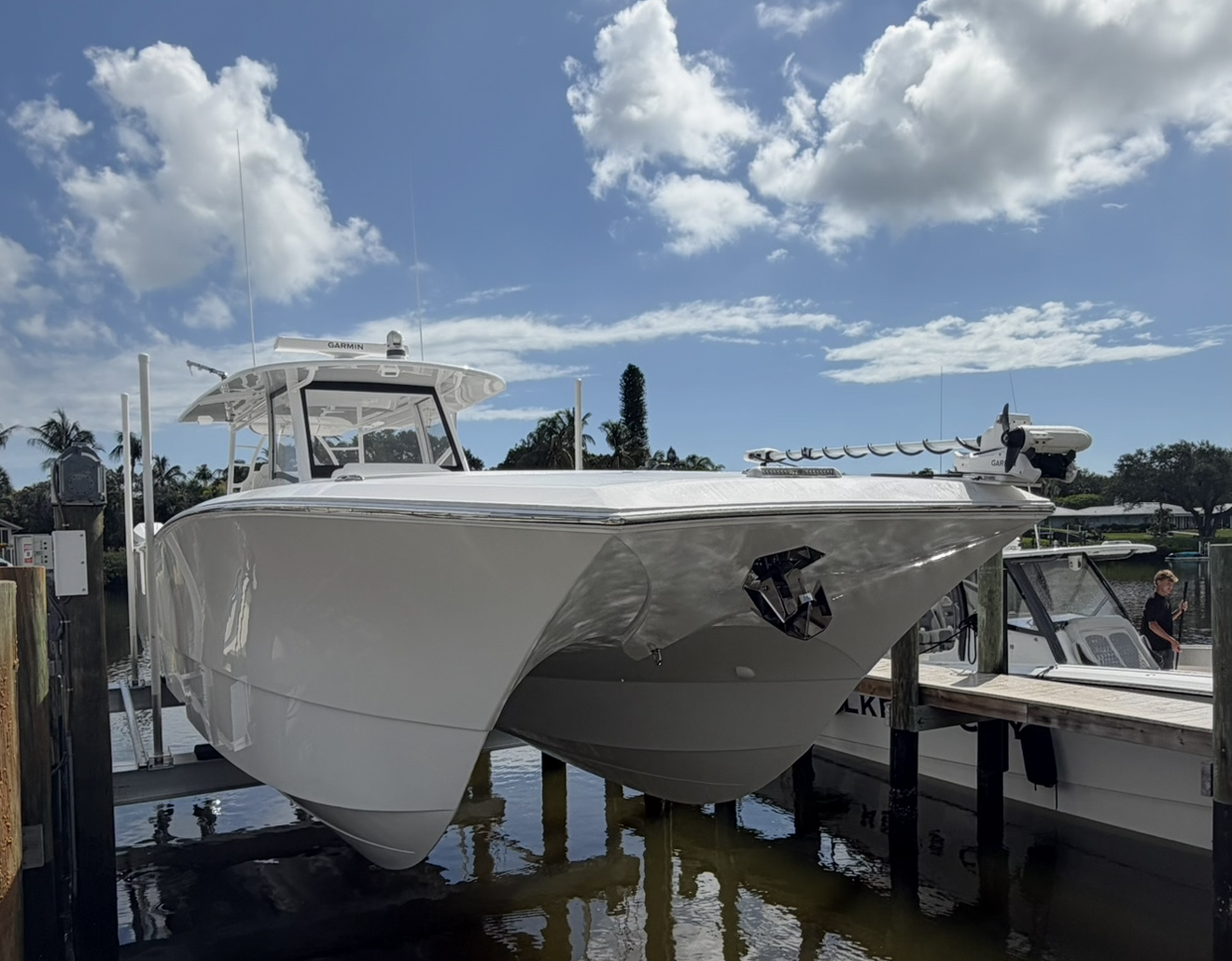
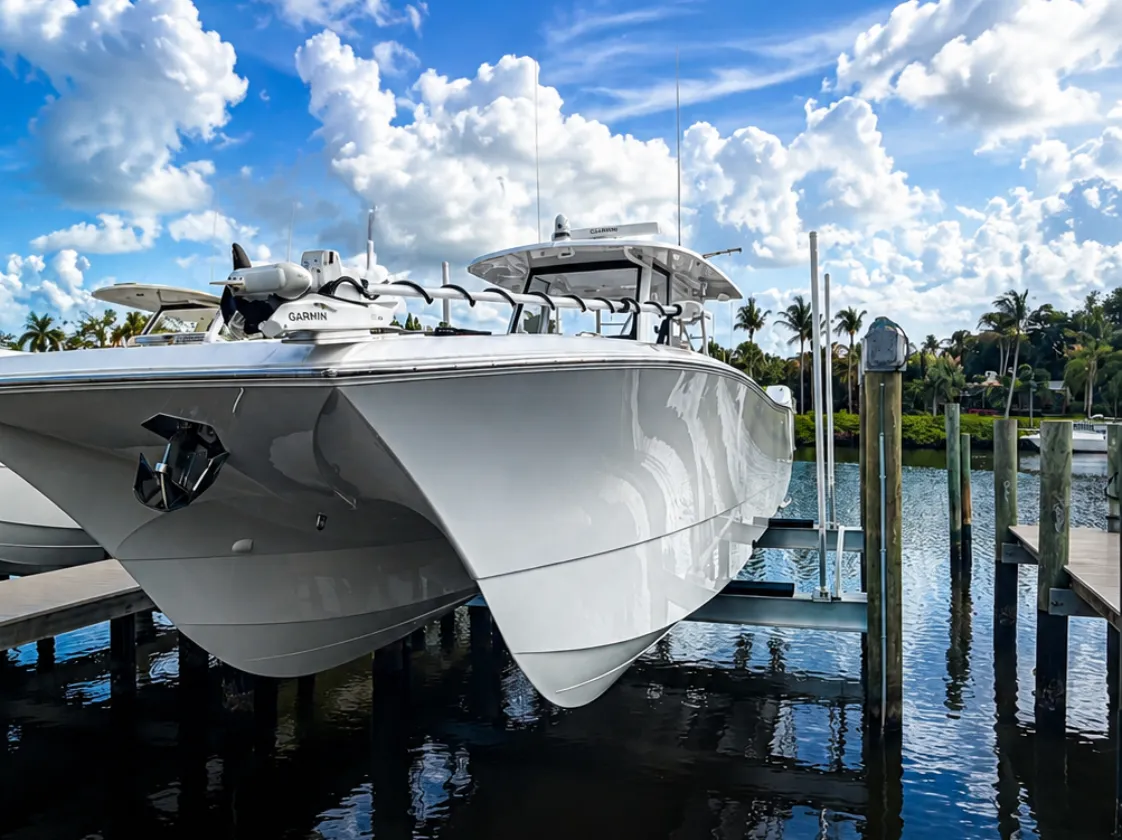
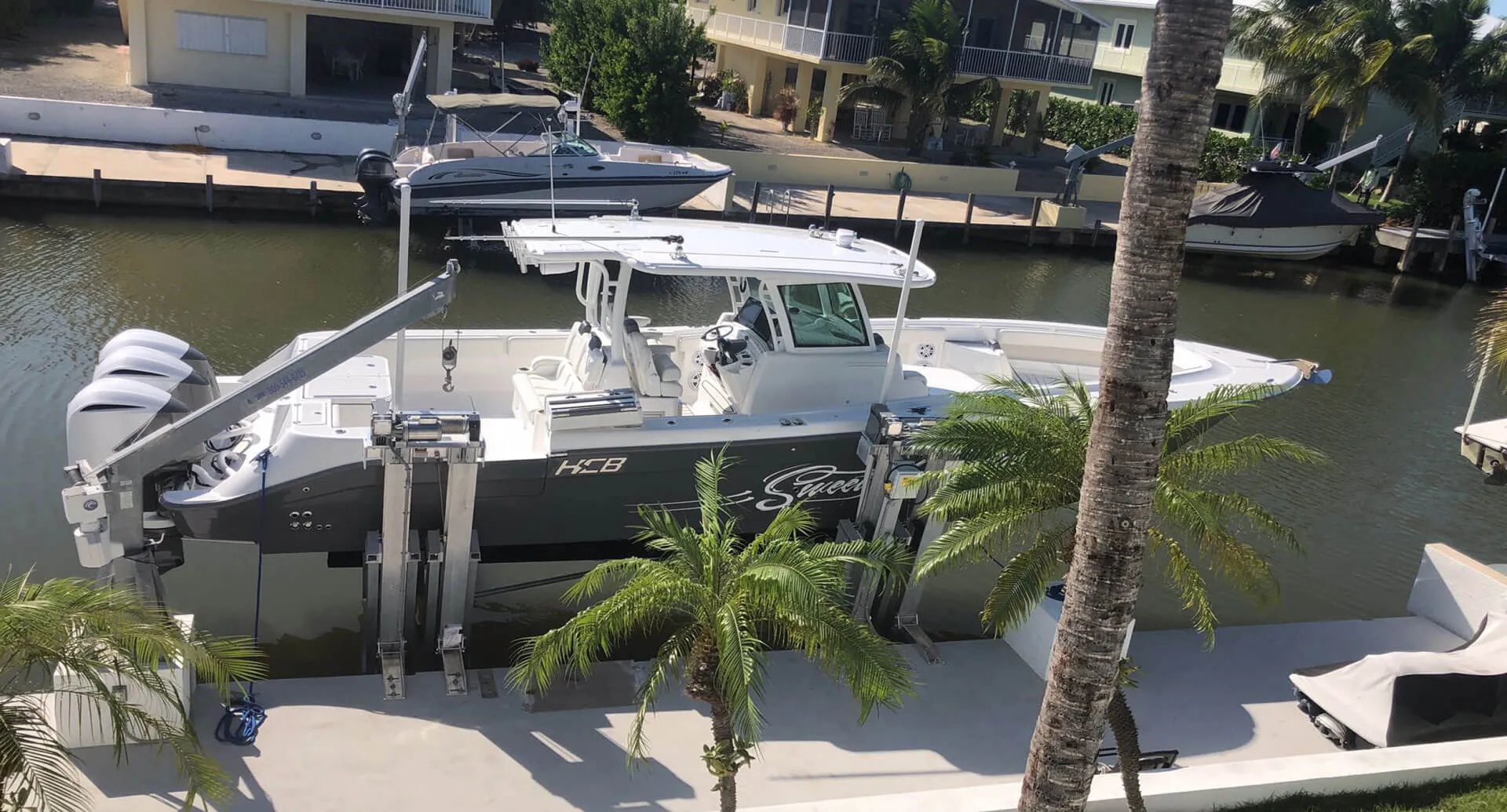
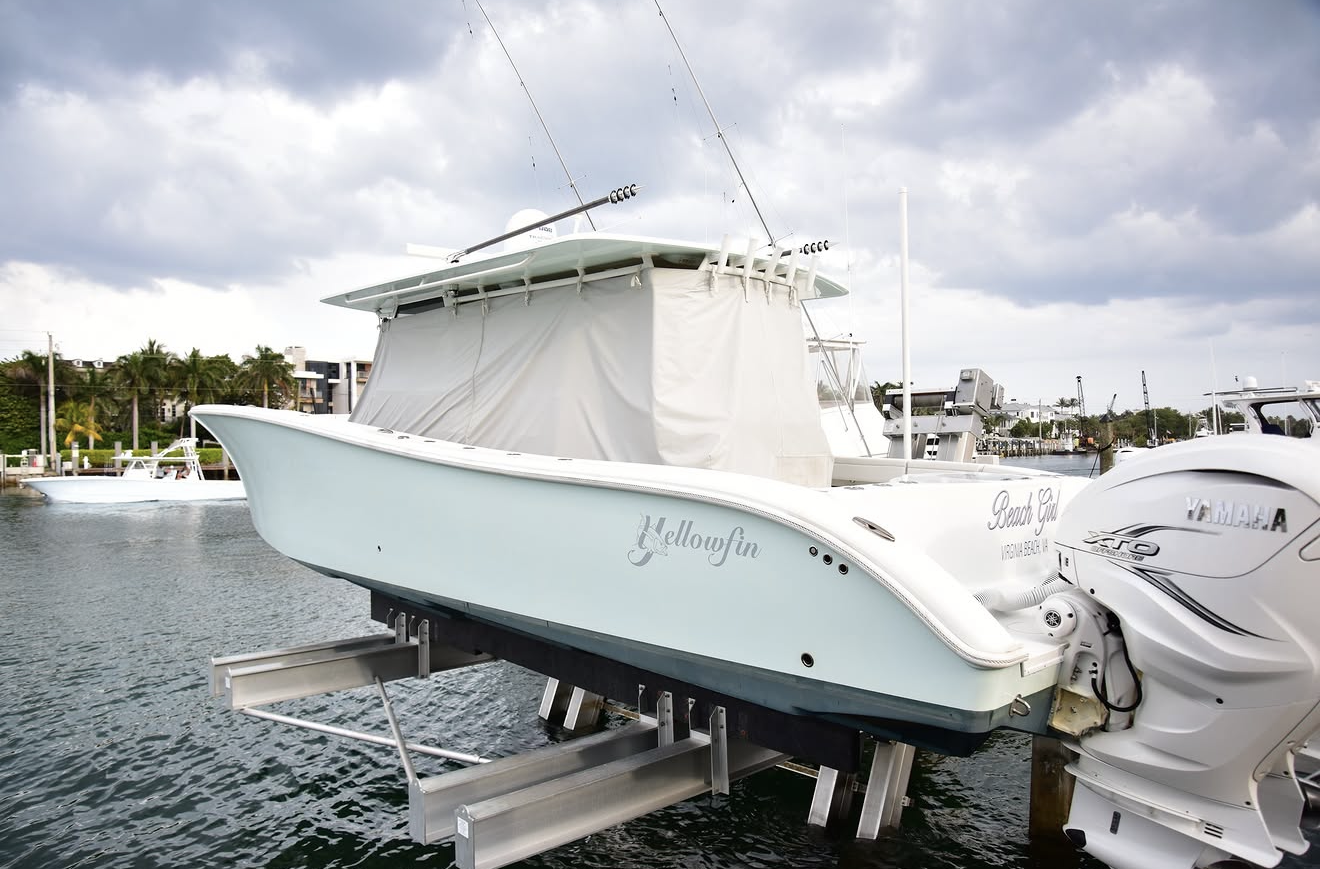
Heavier yachts benefit from an 8-post yacht boat lift because more posts distribute weight across a wider footprint. That reduces hull stress and raises total capacity compared with a four-post system. For long hulls, spreading support along the length keeps loads within safe limits at each point.
The takeaway is that length and weight distribution drive the decision, not total pounds alone. A long yacht at a moderate weight may still need eight posts to support the hull correctly. Think about how the load sits, not just what the scale reads.
Common Mistakes to Avoid
Steer clear of these errors when sizing a lift:
- Sizing off dry weight only
- Ignoring fuel and water tank weight
- Forgetting tenders and aftermarket gear
- Overlooking load distribution
- Skipping a safety margin
- Choosing a freshwater-rated lift for saltwater use
Each mistake pushes the real load closer to or past the lift’s limit. Together they explain many premature lift failures. Coastal conditions raise the stakes further, since corrosion over time can lower a lift’s real-world capacity.
Regular maintenance helps prevent wear and corrosion, as outlined in these boat lift maintenance and safety tips.
Frequently Asked Questions
1. Should I size my boat lift by dry weight or fully loaded weight?
Always by fully loaded weight, plus a safety margin. Dry weight ignores fuel, water, and gear, so it will undersize your lift.
2. What’s the difference between dry weight and fully loaded weight?
Dry weight is the boat with no fuel, water, or gear. Fully loaded weight includes everything you carry aboard, from full tanks to tenders and tools.
3. How much safety margin should a yacht lift have?
A buffer above your calculated loaded weight is standard. It covers miscalculation, future gear, and uneven loading, and heavier or more valuable vessels warrant a larger margin. Confirm the recommended percentage with the manufacturer.
4. Why choose an 8-post yacht boat lift over a 4-post?
For longer, heavier yachts, eight posts distribute weight more evenly and offer higher capacity. That reduces hull stress across the length of the vessel.
5. Do saltwater boat lifts need to be a specific type?
Yes. They need corrosion-resistant materials and coatings, since saltwater degrades standard components faster than fresh water.
6. What happens if I add a generator, hardtop, or extra electronics after buying my lift?
Any aftermarket weight added after the lift is sized should get added back into your loaded weight calculation. A lift that fits your yacht at purchase can end up undersized a year later once you’ve added gear.
7. How often should I recheck my yacht’s weight against my lift’s capacity?
Check it any time you add significant gear, refuel differently than usual, or notice unusual strain on the lift. An annual review is a reasonable baseline even without major changes.
The Right Lift Starts With the Right Capacity
Right-sizing a yacht lift comes down to a simple sequence: calculate fully loaded weight, add a safety margin, then match that number to the correct lifting system. Skip any step, and you risk either a lift that struggles under real load or one that costs more than the vessel needs.
Hurricane Boat Lifts builds its yacht lifts around exactly this kind of precise, load-tested sizing. For a precise capacity assessment, contact our team before your next haul-out.