Skip to content
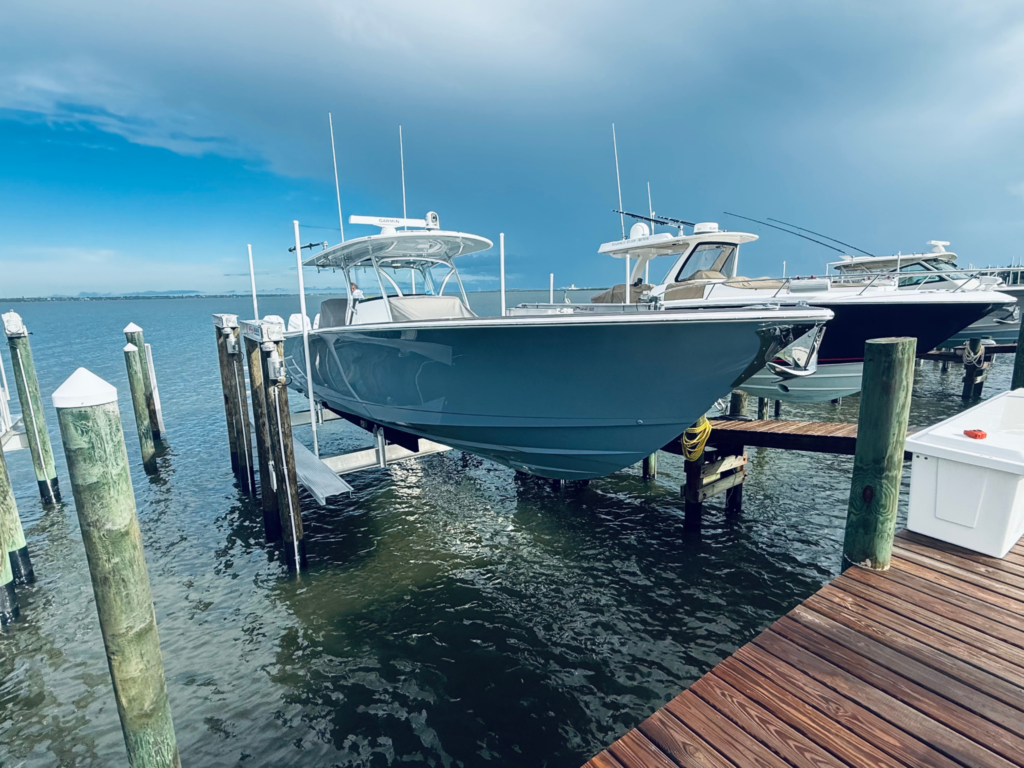
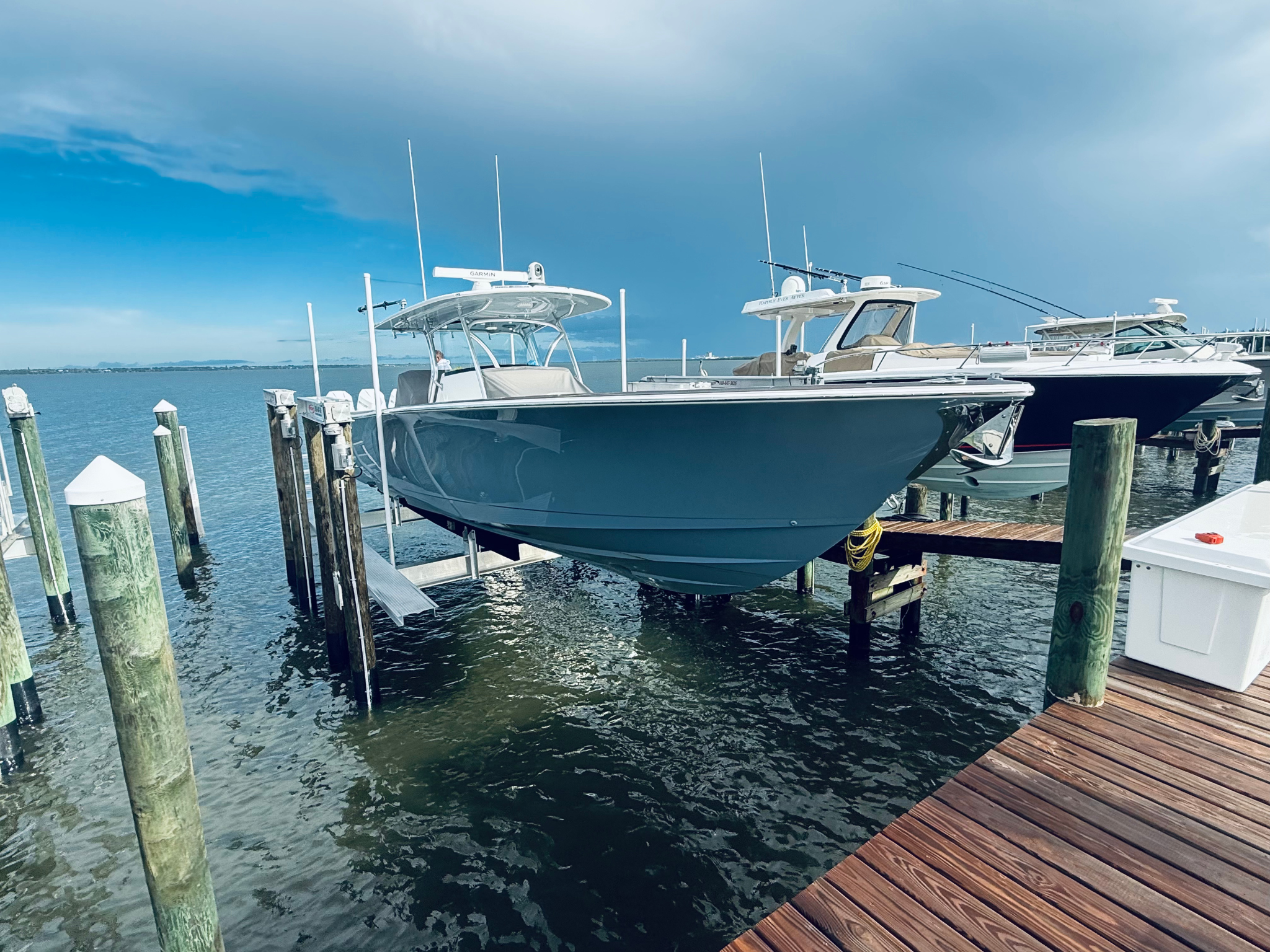
Choosing the right boat lift starts with looking at the demands of a marina slip. Daily use, salt spray, tide cycles and storm season can all place added strain on the lift. In Sarasota, Florida, warm salt air, bay water and rapid weather changes can put consistent pressure on exposed components.
For marina teams, yacht clubs and coastal property owners, lift selection affects more than ease of use. It can influence vessel care, repair costs, slip access and storm preparation. A poorly suited lift may lead to downtime during peak season, while the right lift can help protect boats and keep operations running smoothly throughout the year.
The recreational boating industry generates an estimated $230 billion in annual economic impact, highlighting the value of the boats and equipment that support it.
That makes site conditions an important starting point. Water depth, dock layout, vessel size and service access all need review before final lift specifications are approved.
In this blog, we cover the key factors to consider when choosing a durable boat lift for marina use, from site conditions and lift types to materials, capacity and maintenance.
Understand Your Marina’s Water and Environmental Demands
A durable lift starts with the site, not the catalog. A marina on Sarasota Bay may face salt spray, boat wakes and tide swings each day, while a canal slip may see less wave force but more debris and tighter dock space. Each site calls for a lift that fits its water conditions, dock layout and storm risk.
With those conditions in mind, planning for a boat lift in a marina should begin with a site walk at both low and high tide. Check water depth, current, piling reach and the boat’s path into the slip. This review helps avoid choosing a lift that looks right on paper but strains under real use.
Saltwater exposure
Saltwater speeds up wear on bare steel and low-grade fasteners. Aluminum can oxidize too, but marine-grade aluminum with anodized or powder-coated parts tends to resist salt spray longer than untreated steel. The right choice still depends on coating quality, fastener grade and care habits.
For that reason, marina owners should look beyond the frame metal. Check bolts, brackets, cables, pulleys, bunks and power units as well. Small parts can fail first in saltwater settings, and those weak points may shorten the life of the larger frame.
Tide cycles and water level change
Tide range also affects lift style, piling depth and boat access. A lift that works at high tide may bind or sit too low at low tide, so areas with broad tide shifts need enough travel and clear space for the hull, cradle and drive gear.
Floating systems can adjust with water level shifts, while fixed piling systems rely on sound placement. For this reason, a local installer should review depth at both tide points before final specs are set. This matters even more for shared slips with mixed boat sizes.
Storm exposure
Sarasota boat owners also need to plan for tropical storms and surge, not just sunny weekends. Hurricane-zone lift design should account for wind, rising water and floating debris. Some lifts need added bracing, while others may be designed to lay flat or float in a safer position.
That makes storm prep another part of the selection process. Ask how the lift should be secured before a named storm, what parts need removal and how power units should be shielded. Clear storm steps can reduce damage and speed up recovery after the weather clears.
Compare Boat Lift Types for Marina Installation
Once the site conditions are clear, the next step is choosing a lift type that fits the space and how it will be used. Water depth, dock form, load needs and service access all shape that decision. A lift that works well in one basin may be a poor fit for another.
A well-selected marina boat lift should fit the slip without crowding nearby traffic while giving staff easy access to cables, motors and bunks. When these components are easy to reach, routine service takes less time and the lift can support longer service life.
Piling-mounted lifts
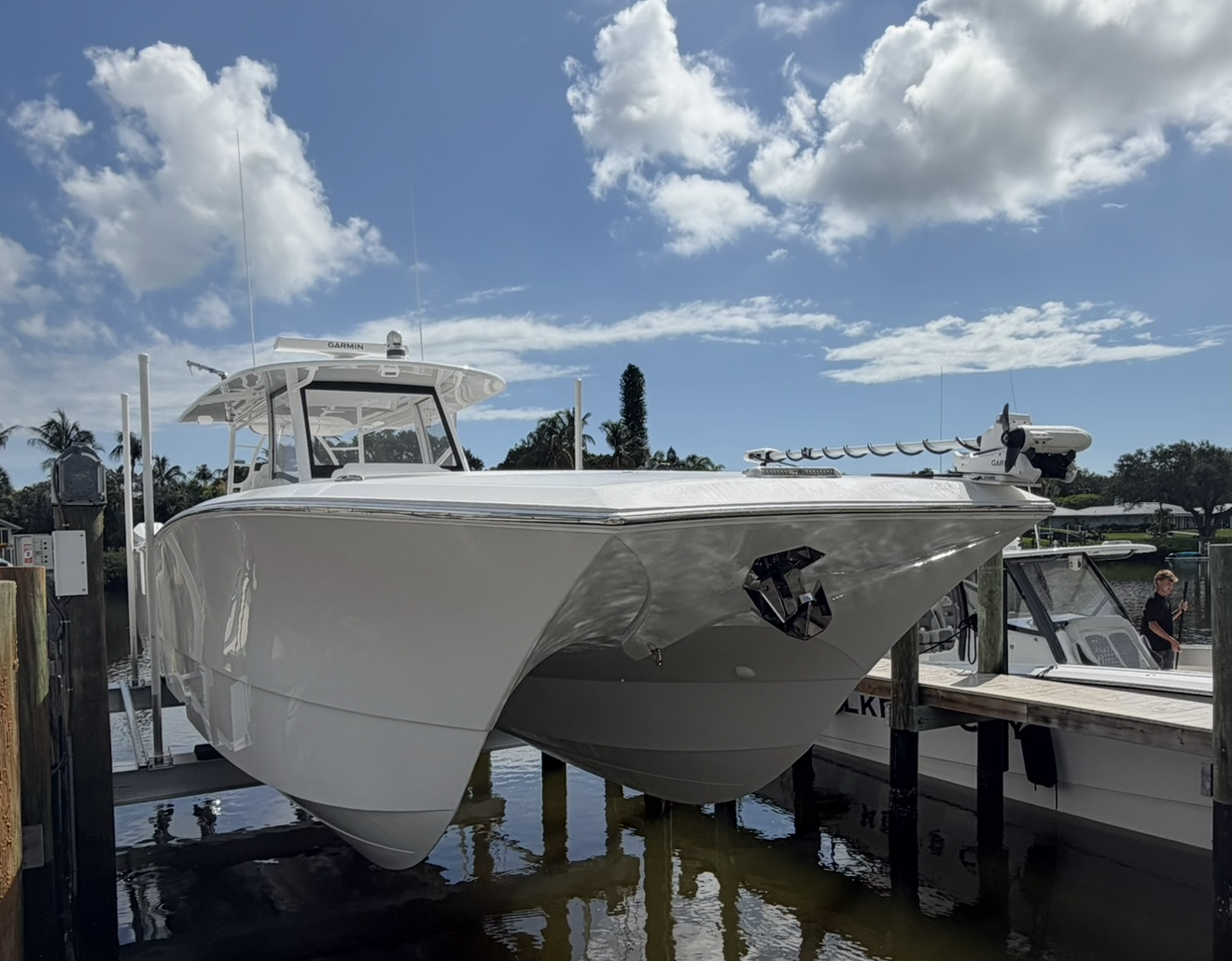
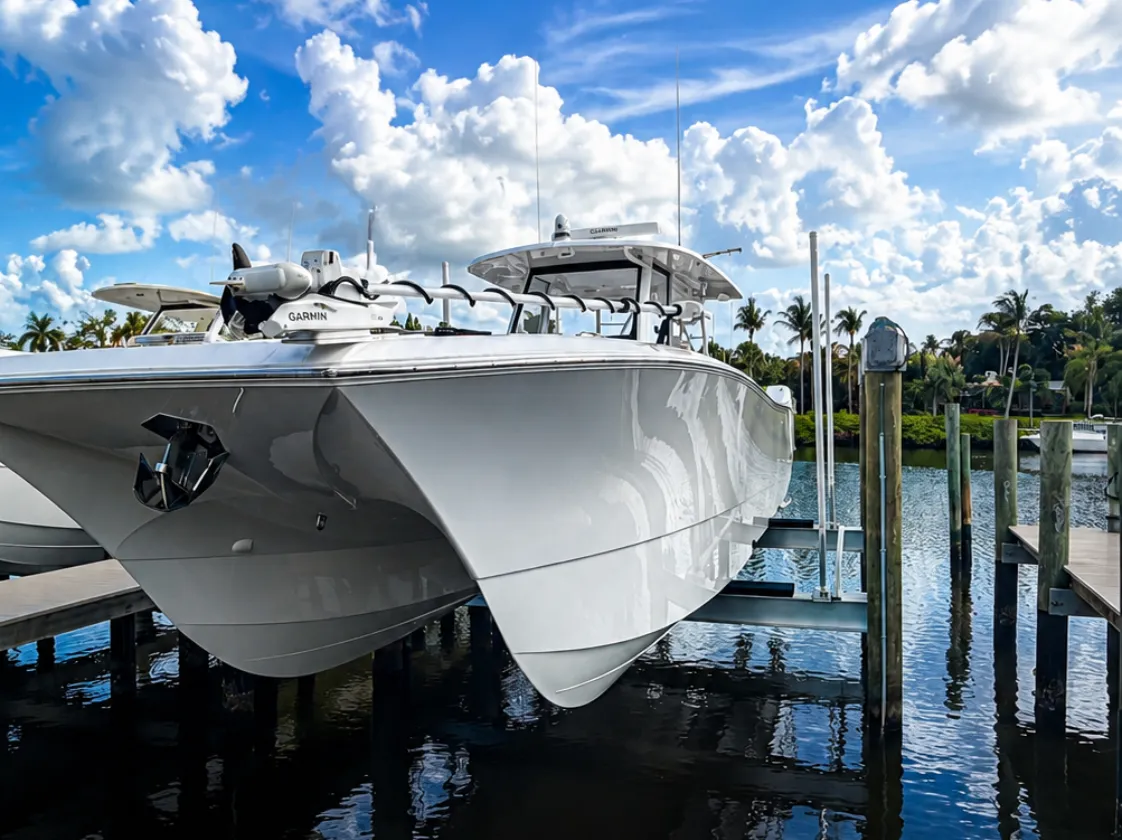
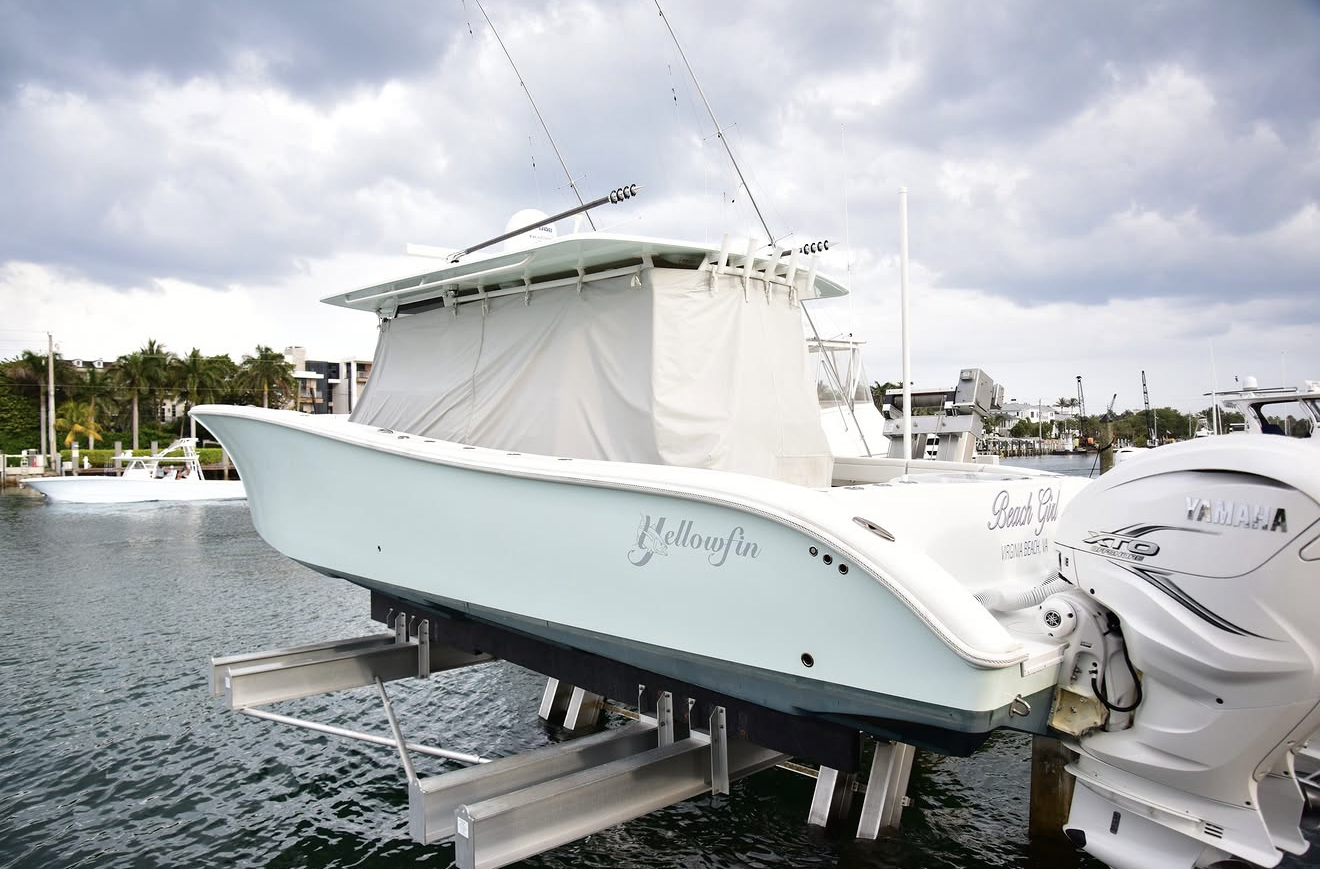
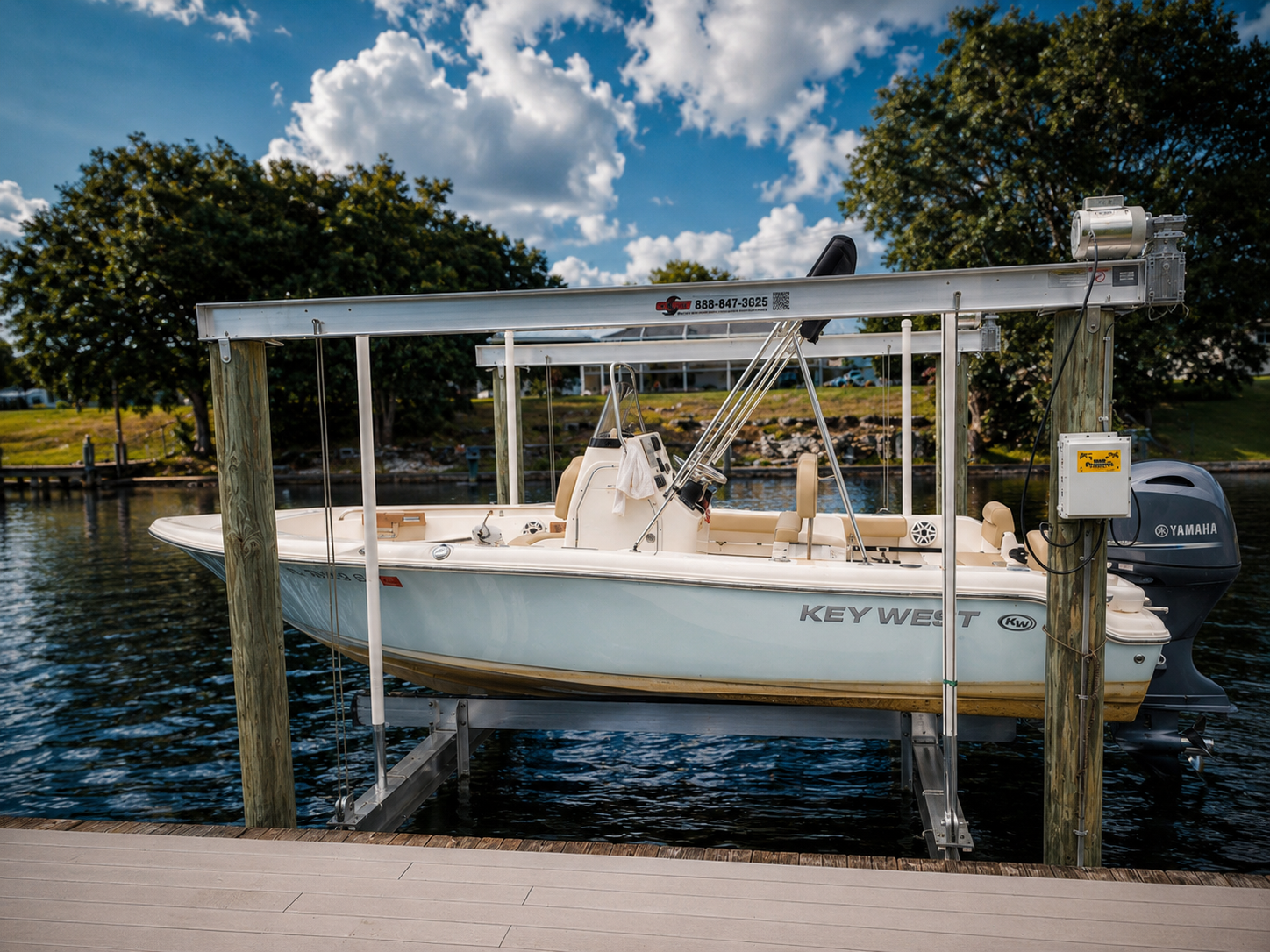
Piling-mounted lifts use fixed supports and are common in coastal marinas. Conventional four-post lifts provide stable support where pilings are sound, while beamless designs can open more dock space without giving up fixed support points.
In many cases, these lifts do not call for dredging, which can simplify site work. Even so, they need proper piling depth, bracing and alignment. If pilings are old, out of plumb or undersized, the lift may place too much stress on the dock.
Floating lifts
Where tide levels vary, a floating boat lift can offer a practical alternative. It rises and falls with the water and may need less site preparation than a fixed lift, making it useful where pilings are limited or water depth changes quickly.
That flexibility also brings a need for regular buoyancy checks. Floats, air chambers and fittings should be inspected routinely. If one side loses buoyancy, the boat can sit unevenly, placing added stress on the hull and lift frame.
Cantilever and elevator lifts
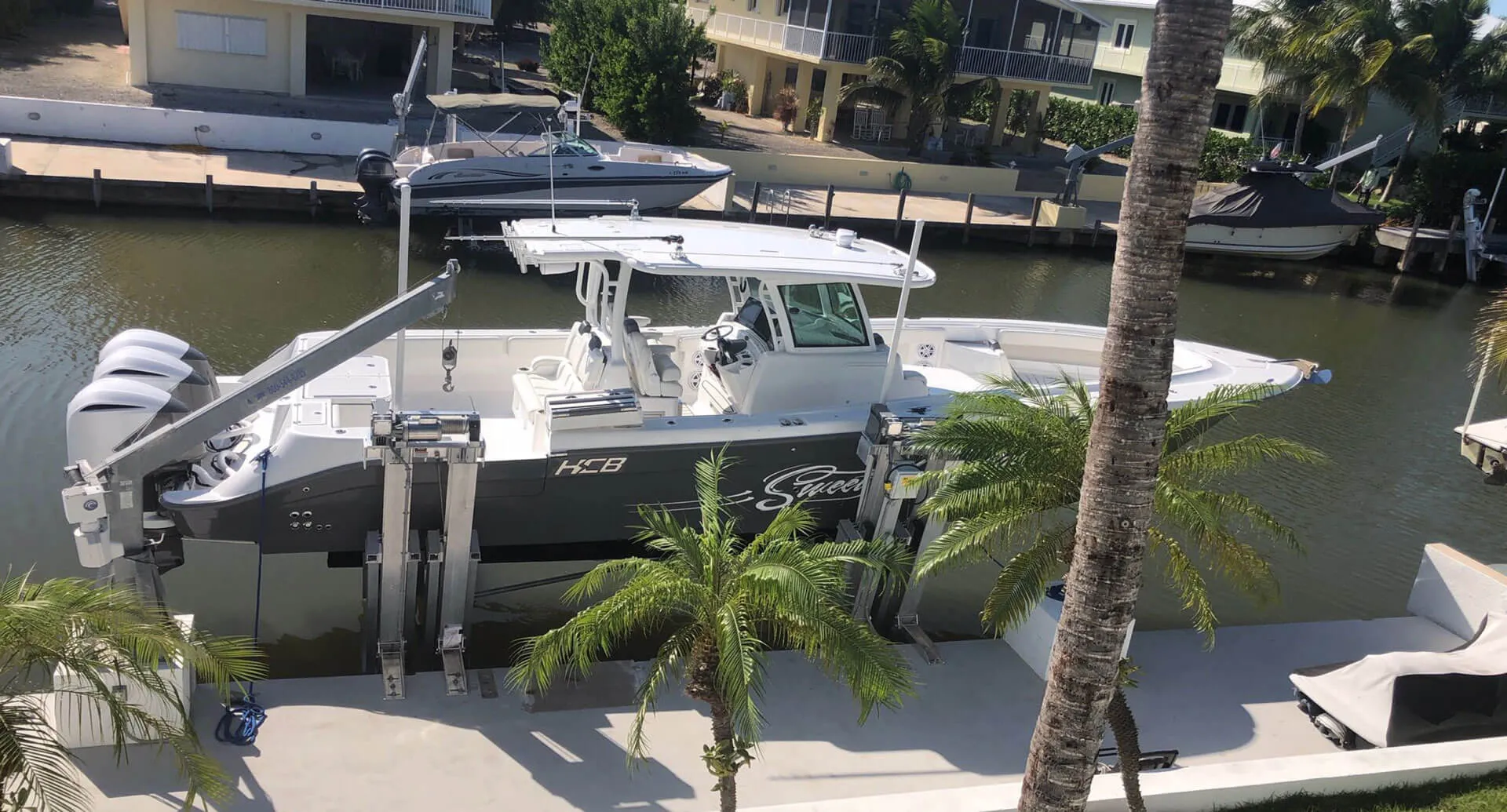
For tight slips, cantilever and elevator lifts can help save dock space. They may suit certain seawalls, narrow canals and docks with limited side clearance. Since their movement path differs from vertical lifts, accurate installation is especially important.
Their design also puts more focus on hinge points, arms and drive parts. Even a small alignment issue can increase wear over time. Before choosing this style, confirm that the dock can support the load and that service techs can reach moving parts with ease.
The table below highlights the key differences between these boat lift types:
| Boat Lift Type | Best Suited For | Key Benefits | Key Considerations |
| Piling-Mounted Lifts | Coastal marinas with sound pilings | Stable fixed support; often no dredging required; beamless designs can provide more dock space | Requires proper piling depth, bracing and alignment |
| Floating Lifts | Areas with changing tides or limited pilings | Rises and falls with water levels; may require less site preparation | Requires regular buoyancy checks; uneven buoyancy can stress the hull and frame |
| Cantilever & Elevator Lifts | Tight slips, seawalls and narrow canals | Helps save dock space; suits areas with limited side clearance | Requires accurate installation and accessible service points for hinges, arms and drive components |
Prioritize Materials That Resist Coastal Corrosion
Saltwater conditions can put every exposed part of a lift to the test, making material selection a key part of the buying decision. Even when the boat is dry, salt air can reach the frame, fasteners, cables, bunks and drive gear, creating corrosion risks that should be considered from the start.
For coastal buyers, comparing boat lifts by capacity alone can overlook material quality. A high-capacity frame can still wear quickly if coatings chip, bolts rust or cable parts bind. In saltwater settings, a single weak exposed component can lead to an early repair.
Aluminum frames and coated parts
Marine-grade aluminum is a common choice for a saltwater boat lift because it resists rust and offers a strong weight-to-strength profile. Anodized or powder-coated finishes add another layer of protection by limiting direct contact between salt and the base metal.
With that in mind, buyers should ask how the frame is finished, how cut edges are treated and what fastener types are used. Stainless or coated fasteners can reduce rust stains and seized parts, while mixed metals need careful consideration since contact between dissimilar metals can raise corrosion risk.
Steel frames in saltwater
Galvanized or painted steel can work in some marine settings, but saltwater increases its service demands. Chips, scratches and bare spots need touch-ups, since rust that starts at a joint or weld can spread under paint and weaken support areas.
While steel may seem like a lower-cost option at first, the full cost should also include repainting, rust care, part swaps and labor. In high-spray zones, those added costs can build over time.
Composite and plastic parts
Composite bunks, plastic guides and non-structural covers can further reduce rust points. They can also be easier to clean than some metal parts, while helping limit hull scuffs and reduce stains near contact points.
The frame still needs corrosion-resistant metal. Composite parts can support contact and wear areas, but they do not replace a strong frame. A sound frame paired with low-rust support parts can provide a more suitable setup for coastal use.
Evaluate Weight Capacity and Load Management for Diverse Vessel Sizes
Marina slips may accommodate different boats over time, so lift capacity needs to account for more than the vessel currently using the space. A lift may hold a center console one season and a heavier vessel the next, making the heaviest and widest boat likely to use the slip a key consideration, along with gear that adds weight.
That makes a durable boat lift rating important for real dock conditions. Marina teams should avoid basing capacity on dry weight alone. Fuel, water, batteries, gear, engines and add-ons can all add weight or change how the vessel sits on the lift.
Verify real vessel weight
Published boat weight may exclude fuel, water, batteries, gear, hardtops or added engines. High-horsepower outboards can add substantial weight at the stern, while water-sports gear, bait tanks and ice can also affect how the boat sits on the lift.
Before selecting capacity, collect these details:
- Boat length and beam
- Dry weight from the maker
- Engine count and engine weight
- Fuel and water tank size
- Common gear stored on board
- Any tower, hardtop or lift point limits
With these details available, a dealer or marine contractor can match the lift rating to real use rather than relying on a brochure figure alone.
Plan for uneven loading
Boats do not always settle in the perfect center position. Wind, current and tight slips can leave the hull slightly off line, so a quality lift should handle normal load shifts without bending arms, crushing bunks or straining cables.
These shifts can become more likely when staff are moving quickly during peak use. Clear guide posts, visible bunk marks and staff training can help keep loading consistent. In a shared slip, simple dock signs can show the correct bow position and stop points.
Think beyond the first boat
A durable lift should also account for future vessel needs. If a marina plans to accommodate larger center consoles or heavier cruisers, the lift should have enough capacity for that change. Adding capacity during the initial installation may cost less than upgrading after the dock is already in full use.
For that reason, a marina boat lift review should consider the slip’s future use as well as its current boat. Ask which vessels are likely to use the slip over the next few seasons, rather than focusing only on the boat there today. This can help protect the lift from chronic overload.
Plan for Routine Maintenance and Long-Term Serviceability
A lift’s durability depends on both its design and how well it is maintained. Regular checks become especially important in saltwater, where exposure can accelerate wear. Marina teams should choose systems that make service simple, visible and safe for staff or outside techs.
With a clear boat lift maintenance plan in place, teams can reduce surprise repairs and spot wear before it affects a boat hull. In busy marinas, a practical maintenance routine is easier to follow when staff can complete checks without special effort.
Hydraulic and pneumatic systems
Hydraulic and pneumatic lifts need system checks at set service points to keep them working properly. Fluid levels, filters, seals, hoses and fittings should be reviewed by trained techs. Small leaks can lead to slow lift travel, uneven movement or added strain on the system.
For that reason, ask for a service schedule before purchase and find out how quickly common parts can be sourced. A lift that relies on rare parts may remain idle longer when repairs are needed during peak boating season.
Cables, bunks and fasteners
As part of routine checks, cables should be inspected for fraying, rust, kinks and uneven wrapping. Bunks and pads should be checked for tears, loose mounts and hull contact marks, while fasteners should be reviewed for rust, missing washers and seized threads.
At saltwater sites, these inspections should give extra attention to contact points, where moisture and grit can collect. If wear appears near a bunk or guide post, addressing it early can help prevent marks on the hull.
Access for service teams
Easy access to service points makes routine maintenance more practical and helps keep labor costs under control. When parts are difficult to reach, regular inspections can take longer or be skipped, so power units need to remain dry, vented and easy to access, while cable paths stay visible for quick checks.
This accessibility also makes inspections safer and more efficient. A tech does not need to lean over open water or remove dock boards for routine checks. Keeping key components within easy reach helps maintain a consistent service schedule and reduce delays during busy marina weeks.
Frequently Asked Questions
1. What is the most reliable brand of boat lift?
The most reliable choice is the lift that fits the site, vessel weight and service plan. Brand record, warranty terms and local dealer support all count. Proper install and routine care can affect reliability as much as the name on the frame.
2. What is the lifespan of a boat lift?
Lifespan varies by material, care habits and saltwater exposure. Marine-grade aluminum lifts with regular upkeep tend to outlast untreated steel options in coastal use. Exact service life should come from maker specs and local dealer field experience.
3. How much power does a boat lift need?
Power needs depend on lift type, motor style and weight rating. Electric, hydraulic and pneumatic systems each have different specs. The dealer should confirm power needs during the site review before install plans are final.
4. Can a floating boat lift withstand hurricanes?
A standard floating lift may need added securing, storm straps or a lay-flat design for hurricane zones. The right setup depends on slip exposure, surge risk and local dock rules. A local marine specialist should review storm prep needs before final selection.
Final Thoughts
A marina boat lift needs to suit the conditions it will face throughout the year. Water depth, tide range, storm risk, vessel weight and service access all influence the right choice. Materials also matter across exposed components, with marine-grade aluminum, coated parts and low-rust bunk materials helping reduce wear in Sarasota’s saltwater setting.
Those considerations also make clear specifications valuable before purchase. Review load ratings, finish details, warranty terms, part access and service guidance before selecting a lift. For many marina owners, the best value comes from matching the lift to the site and expected use rather than choosing based on price or capacity alone.
Ready to invest in a lift planned for marina durability? Contact Hurricane Boat Lifts for a custom consultation and site assessment in Sarasota, Florida, and nearby coastal regions.