Skip to content
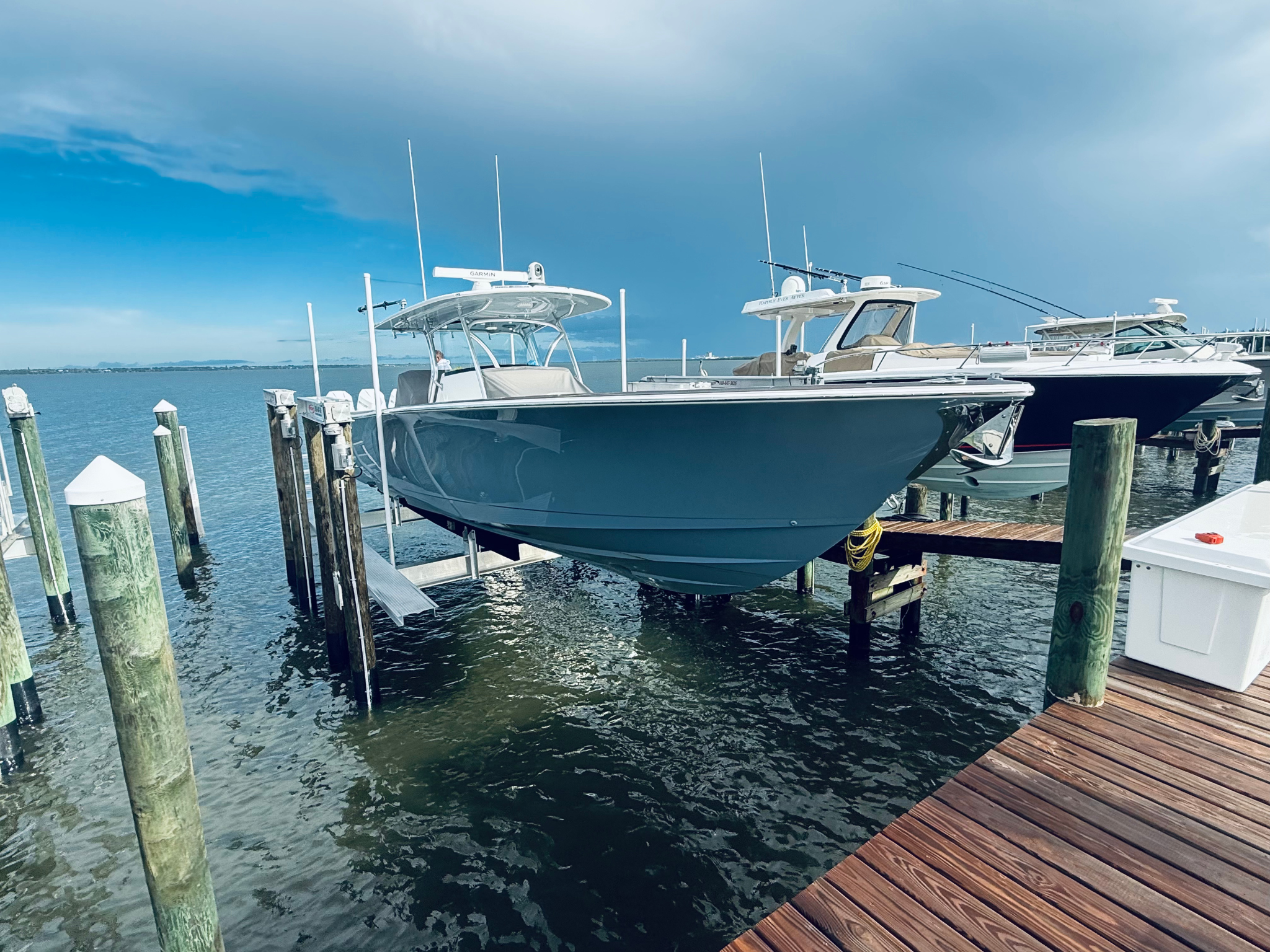
Every dock is different. Every boat is different. And every client has a different idea of what easy, hassle-free boating looks like. Your job as a dealer is to bridge the gap between what a client thinks they need and what will actually work for their setup.
Getting the spec right the first time protects your client’s investment, builds trust in your business, and eliminates costly reinstalls. This guide walks you through the key variables to assess before recommending any Hurricane Boat Lift.
A boat worth lifting belongs on a lift worth owning. Helping your client choose right starts with asking the right questions.
Step 1: Start With the Boat, Not the Dock
The boat is the load. Everything else is logistics. Before you look at water depth or dock configuration, get the full picture on the vessel:
- Make, model, and year
- Boat length and beam width
- Gross weight (including fuel, motor, and gear — not just the dry hull weight)
- Hull type: V-hull, flat bottom, catamaran, pontoon, or multi-hull
- Drive type: outboard, sterndrive, inboard, or jet drive
Why this matters: a 24-foot boat with a heavy outboard and a full fuel tank can easily exceed 6,000 lbs. Underestimating load capacity is the most common spec error in the field. Always build in a safety margin of at least 10 to 15 percent above the boat’s actual loaded weight.
Rule of thumb: when in doubt, go up a capacity tier. A lift rated higher than needed is a better outcome than one that’s pushed to its limit on day one.
Step 2: Assess the Dock and Water Conditions
Once you know the boat, evaluate the environment it lives in. Florida presents specific challenges that affect lift selection significantly.
Water Depth
This is often the deciding factor between lift types. Measure depth at the lowest tide point. Shallow water (under 3 feet) typically rules out traditional 4-post lifts and points toward elevator or platform designs. Deep water gives you more flexibility but also introduces wave action and current concerns.
Dock Type and Configuration
- Fixed dock: standard installation, most lift types compatible
- Boathouse: boathouse lifts are purpose-built for enclosed overhead structure — do not substitute a standard lift here
- Seawall with no dock: may require custom bracket or piling work
Saltwater Exposure
All Hurricane Boat Lifts are built for saltwater environments, but your client’s location on the water affects maintenance frequency and finish selection. Boats in high-salinity canals or open intracoastal exposure benefit from upgraded motor protection and regular rinse-down practices. Build this into your post-install conversation with every client.
Tidal Variation and Surge
In Florida, tidal swing can vary 1 to 3 feet depending on location. A lift that sits comfortably at high tide may have clearance issues at low tide. Always confirm tidal range for the specific address, not just the general area.
Step 3: Match the Lift Type to the Situation
Hurricane manufactures 9 lift categories. Here is a quick reference for matching the right type to the most common client scenarios:
| Client Situation | Recommended Lift Type | Key Reason |
| Jet ski or small PWC | PWC / Small Craft Lift | Lightweight, space-efficient, easy solo operation |
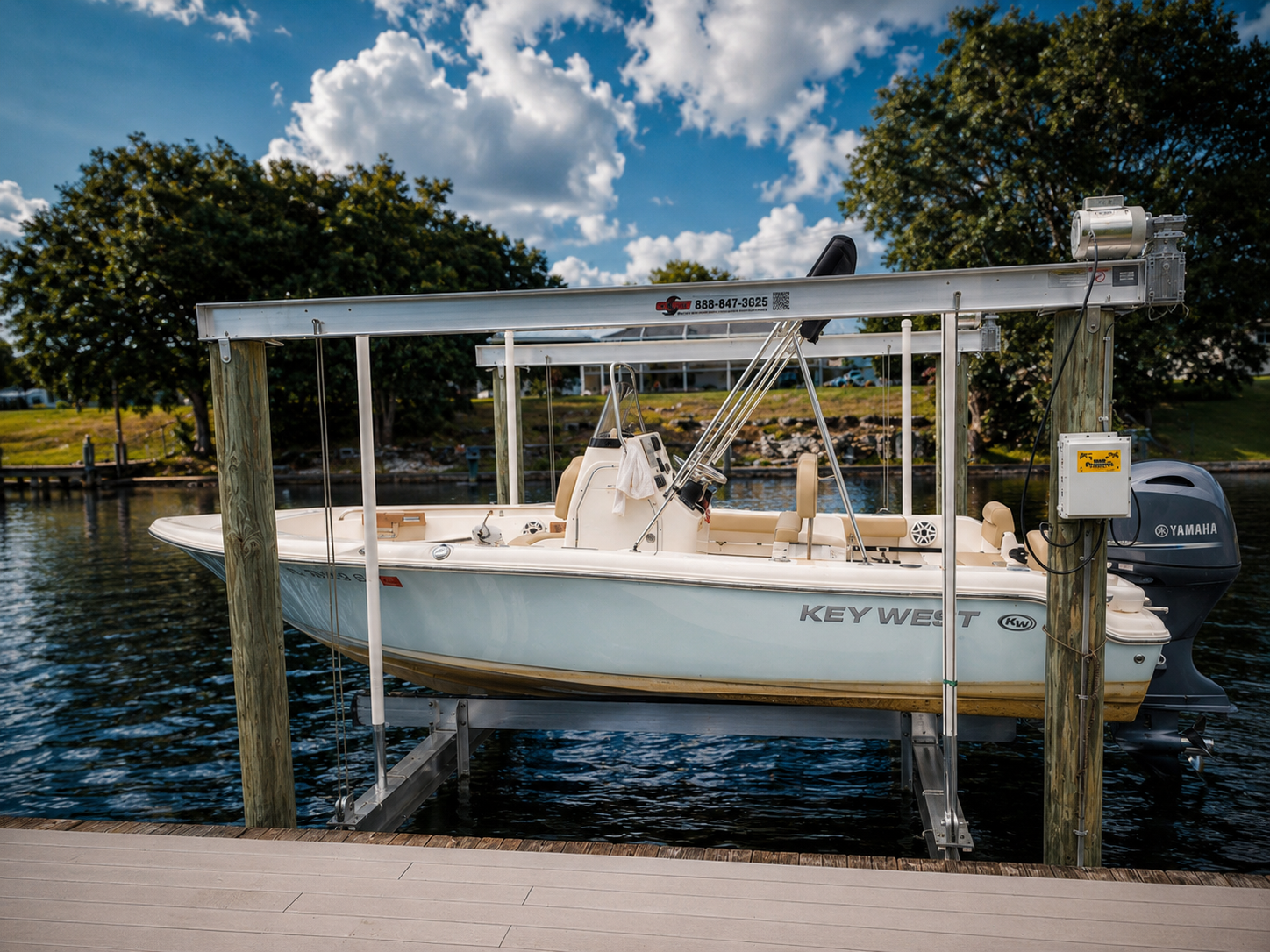
| Runabout or center console up to ~10,000 lbs | Platform or Beamless Lift | Versatile, no overhead beam obstruction |
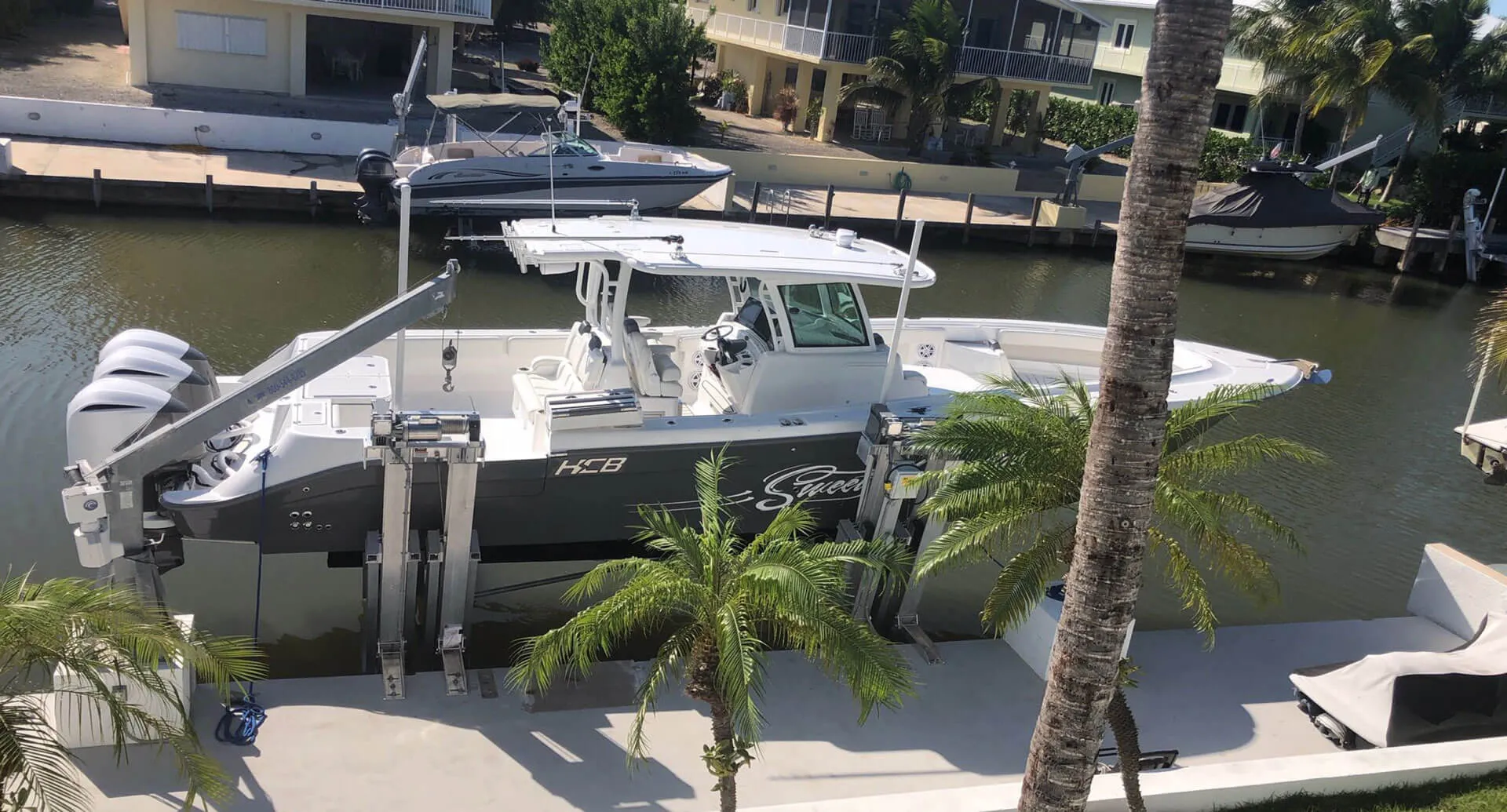
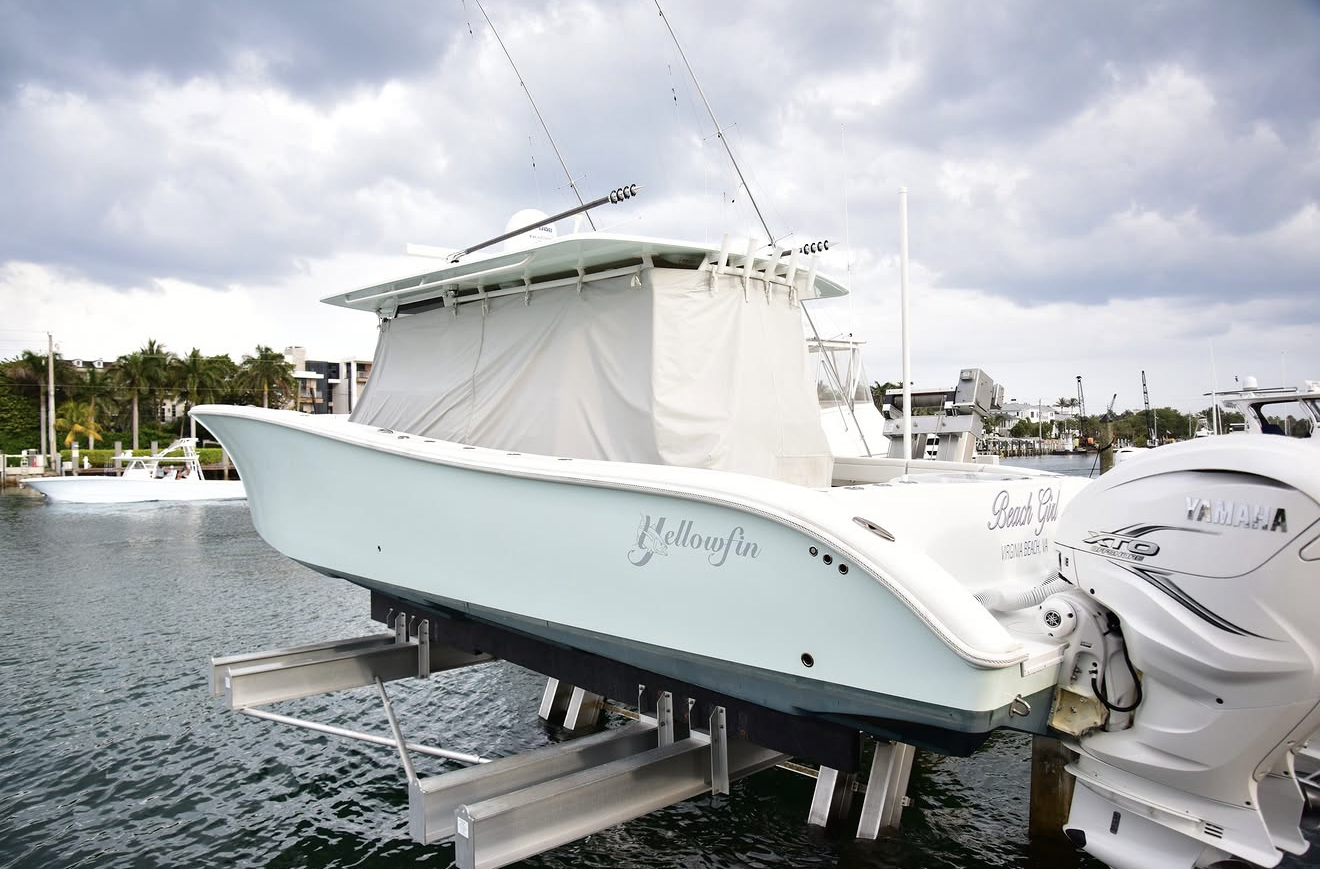
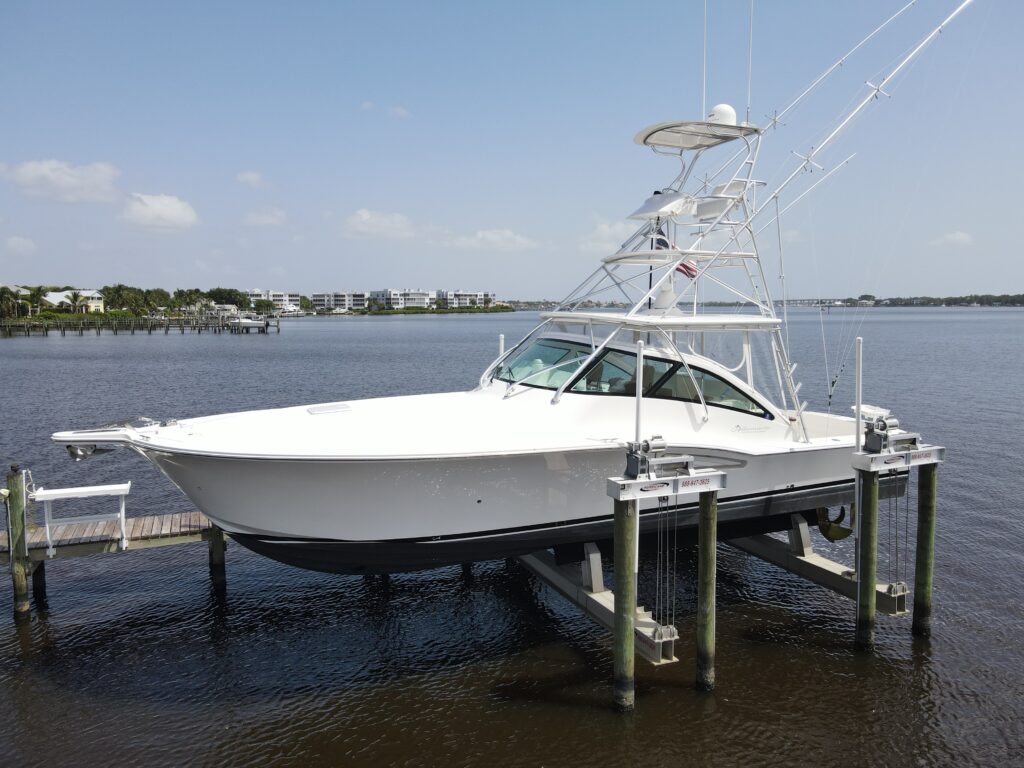
| Larger sportfish or cruiser | Cradle Lift or Storm Series | Higher capacity, superior hull support |
| Deep water slip or large vessel | Elevator Lift | Vertical travel, excellent for tidal variation |
| Enclosed boathouse | Boathouse Lift | Designed for overhead structure integration |
| Yacht or vessel over 20,000 lbs | Yacht Lift | Built for heavy loads and larger beam widths |
| Marina, fleet, or commercial use | Commercial Lift | High-cycle rating, multi-unit deployment |
| High storm-risk zone | Storm Series Cradle Lift | Enhanced holding strength, wind and surge rated |
Step 4: Know When a Custom Lift Is the Right Answer
Not every client dock fits a standard configuration. Hurricane designs custom lifts for situations where off-the-shelf options do not work. Flag these scenarios and bring in the team early:
- Unusual piling spacing that does not match standard cradle or platform dimensions
- Restricted overhead clearance in existing structures
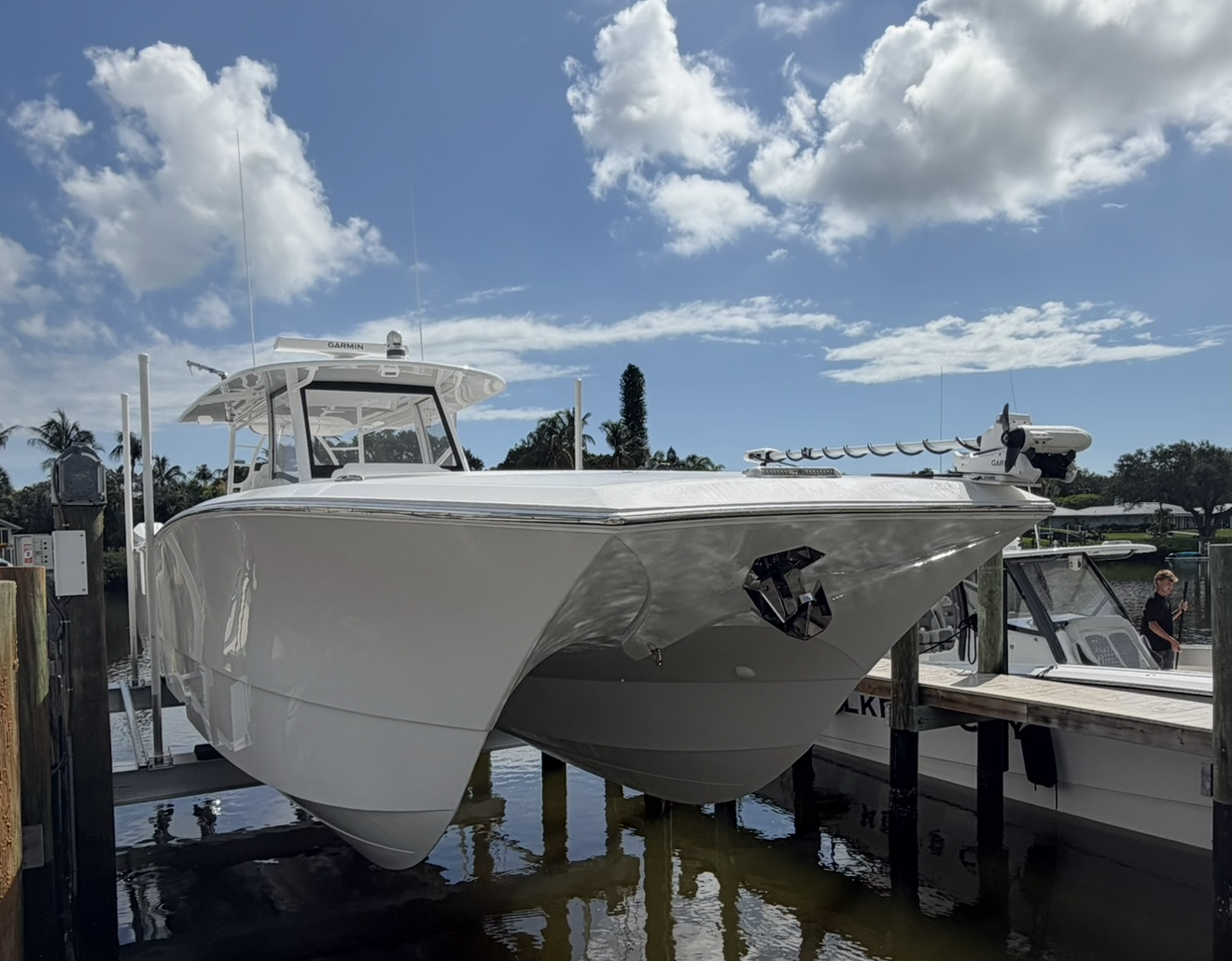
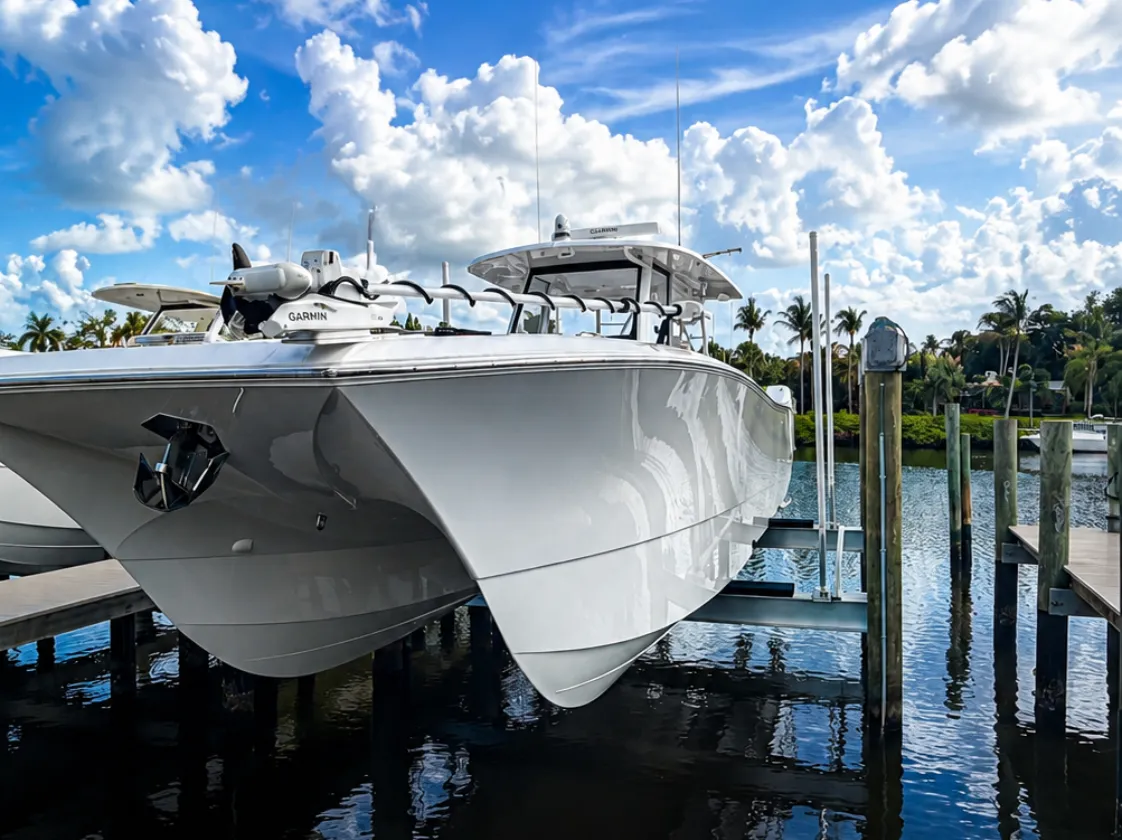
- Irregular hull shapes: catamarans, trimarans, or custom builds
- Commercial or marina applications requiring non-standard cycle ratings or multi-vessel configurations
- Shallow-water environments requiring a specialized low-profile approach
Custom does not mean complicated. It means the lift is engineered for the specific conditions rather than adapted from a standard model. For dealers, positioning custom as a precision solution rather than an upsell keeps the conversation client-focused.
When you encounter an unusual dock setup, contact Hurricane directly before quoting. Getting the engineering conversation started early prevents surprises at install.
Step 5: Factor in Storm Preparedness From the Start
Florida is not a forgiving environment when a storm makes landfall. Any client in a coastal or near-coastal location should be walked through storm preparedness as part of the spec conversation, not as an afterthought.
Hurricane’s Storm Series Cradle Lift is purpose-built for high-wind and surge conditions. For clients in exposed locations, canal ends, or areas with a history of surge flooding, this is a conversation worth having before the sale closes, not after a weather event proves the point.
Hurricane also maintains a dedicated storm preparedness resource on their website. Share it with every client at delivery.
Step 6: Close the Loop — Registration and Warranty
A properly specced and installed lift is only complete when the client registers their product. Warranty coverage begins at registration, and it protects both your client and your reputation as the installer.
Make lift registration part of your standard post-install checklist. Hurricane’s registration page is available directly on the website.
The Bottom Line
Selecting the right lift is not guesswork. It is a disciplined process: start with the boat, evaluate the environment, match the lift type to the conditions, and know when to escalate to a custom solution.
Hurricane Boat Lifts has been building lifts since 1998 and carries nine product categories specifically to cover the full range of situations dealers encounter in the field. When the standard lineup does not fit, the engineering team is available to help design a solution that does.
Ready to spec your next project? Contact Hurricane Boat Lifts directly or find an authorized dealer near you at hurricaneboatlifts.com.