Skip to content

Key Takeaways:
- The typical boat dock installation cost in 2026 runs from $5,000 to $50,000, depending on the dock type, dock size, and site conditions.
- Most dock costs fall between $15 and $60 per square foot installed, with floating docks at the low end and crib docks at the high end.
- Expect material and labor costs to be a significant portion of your total, around $3,000 to $30,000.
- Adding boat lifts typically adds $1,000 to $8,000+, but planning for a lift is usually cheaper than retrofitting later.
- Permit and inspection-related installation costs can add $100 to $1,000, and they vary significantly.
- Choosing the right dock materials, planning, and working with experienced dock builders are the best ways to manage dock costs.
The cost of a boat dock installation in 2026 isn’t a solid number that even a knowledgeable dock builder can quote on a dime. Dock costs aren’t RVs or cars, so they don’t come with one-size-fits-all dollar signs.
In fact, it could be a fairly wide range of numbers, depending on several variables, including shoreline, your dock type, how you plan to use it, the materials, and more.
On the bright side, once you understand the primary cost factors that go into a dock installation, it’s easier to plan a realistic budget and come up with a target expenditure goal.
The demand for floating docks, permanent docks, and integrated boat lifts in 2026 is growing, and that ongoing demand is another gear in the complex mechanics of varying prices from one project to the next.
Material pricing, regional labor costs, and even smart-dock add-ons all play a role in the ultimate price. Not to mention permits and long-term maintenance.
How Much Does it Cost to Install a Boat Dock in 2026?
Let’s say you’re sitting down for the first time, ready to game plan a new boat dock this year. One of the first things you’ll notice, as you begin the research phase, is that the prices are all over the place. Naturally, this might give you a bit of brain lock for a moment. It’s not easy to plan amidst such budgetary chaos.
Average Cost Range
For most homeowners, a basic dock in 2026 will hover somewhere between $3,000 and $30,000. Smaller freshwater docks with simple layouts and removable docks are on the lower end of the scale, while larger docks with boat slip spaces and premium finishes sit on the top end.
If you shift from simple floating dock systems to permanent docks (such as a piling dock or a crib dock), the price increases significantly.
Cost Per Square Foot
Most professionals estimate the cost to build a dock at $15 to $60 per square foot, depending on the type of dock, the materials used, and additional features.
- Floating docks typically cost $5 to $35 per square foot, making them a popular lightweight option
- Piling docks are generally $20 to $40 per square foot installed, thanks to a heavier structure and higher labor costs
- Crib docs can reach $50 to $100 per square foot because of heavy construction and complex dock-building requirements
Contractors may also quote by linear foot when dock widths are standard, but it’s based on a square-foot baseline. Either way, knowing the per-square-foot range will keep you grounded as designs change.
Basic Cost Breakdown
Here’s how the overall costs usually break down, though there are always exceptions here and there:
- Decking, framing, floats/pilings, and hardware can run $15 to $30 per square foot
- Labor costs, usually including specialized equipment, may range from several thousand dollars to well over $10,000 for larger docks
- Permits and permit fees are generally $100 to $1,000, including local regs, surveys, and inspections
- Add-ons like ladders, dock bumpers, dock lighting, power, and boat lifts add anywhere from a few hundred bucks to $10,000+
As you can see, a realistic cost you can fit into a single line on a piece of paper requires meticulous planning, cost analysis of your regional labor, permits, regs, and materials, and the overall scope of your boat dock project.
Dock Types and Their Price Ranges
By now, you’re probably getting a mental picture of a seesaw, but we can narrow this down a little more by dock type. In fact, before you bother sitting down to calculate incremental costs, it’s a good idea to decide what kind of dock you want to build. Generally speaking, there are four types.
Floating Docks
Floating docks are usually the most affordable, so if you’re looking to build a dock on a budget, this is your number one choice. Costs usually begin around $3,000 to $5,000, going up to $17,500+ for larger docks. They’re ideal for gently sloping shorelines and areas with fluctuating water depths.
Floating docks are fairly lightweight by necessity and relatively low maintenance in the short and long-term. You’ll also find lightweight floating cubes and modular floating systems that function as modular docking systems, offering a higher degree of flexibility while remaining low-maintenance.
Fixed (Permanent) Docks
Fixed docks or permanent docks use pilings or posts driven into the lake or riverbed, creating a permanent structure. These are best when water depth is stable, and you want a dock that feels stable underfoot and can support a roof-covered structure or boat lifts.
A typical piling dock can run $4,000 to $20,000, with prices ranging based on size and materials. These permanent installations cost more upfront but usually deliver better longevity and property value gains.
Pipe Docks
Pipe docks (including aluminum pipe dock systems) fit neatly into the mid-range option, usually in the range of $1,500 to $7,500 or $20 to $40 per square foot. Of course, this depends on the configuration and scope of the project. Since they can be removed seasonally, they work well in freshwater docks and areas with ice or harsh winters.
Crib Docks
Crib docks rely on box-like “cribs” filled with rock, creating a very heavy, permanently anchored structure. With costs ranging from $10,000 to $50,000+ or $50 to $100 per square foot, they are among the highest in price points but deliver serious stability and long lifespans.
What Impacts Dock Pricing the Most?
The biggest cost factors are your dock materials and structure. The most common components include:
- Pressure-treated wood is usually the entry-level option because it’s affordable but has higher maintenance needs.
- Wood docks with wooden frames are attractive and familiar, but tend to need more maintenance in harsher climates.
- Marine-grade aluminum is lighter, more durable, and common in aluminum pope dock systems and modern floating docks.
- Composite decking has higher initial costs but very low maintenance and longevity.
Better materials cost more upfront, but tend to lower your costs in the long-run thanks to robust durability and resistance to everything nature has to throw at it.
Size Design and Complexity
The bigger the dock size, the higher the cost to build, both in materials and labor costs. Complex docks with T- or L-shapes, platforms, or larger docks with multi-slip layouts can vary significantly in price compared to a straight, simple layout.
Water Conditions
Water depth, bottom conditions, current strength, and wave exposure all influence dock construction choices and installation costs. Deep or rough water might push you toward more robust and permanent docks, suspension docks, or additional shoreline stabilization, all of which add to the cost.
Site Accessibility
Remote locations, steep banks, or tight access can mean higher labor costs and more expensive equipment for dock builders. Getting materials and machinery to your waterfront property can be a large hidden driver of dock costs.
Labor Costs
Somebody has to build it, after all, and most won’t do it for free. Regional labor costs and the experience level of your builders are important. Skilled dock builders and professional installation cost more, but usually deliver safer, code-compliant results, especially for complex docks or heavy, permanent installations.
Additional Costs to Consider
A plain dock, even with a complex layout, leaves a lot lying on the drawing room floor of the imagination. Unfortunately, every add-on comes with its own costs. Even a modest, basic dock will include:
- Cleats, dock bumpers, and ladders
- Electrical runs for outlets and dock lighting
- Storage or seating, and sometimes small roof-covered structures
These additional features can add hundreds or even thousands to dock costs, depending on how elaborate you want to get. However, they dramatically improve the dock’s functionality.
Boat Lift Integration
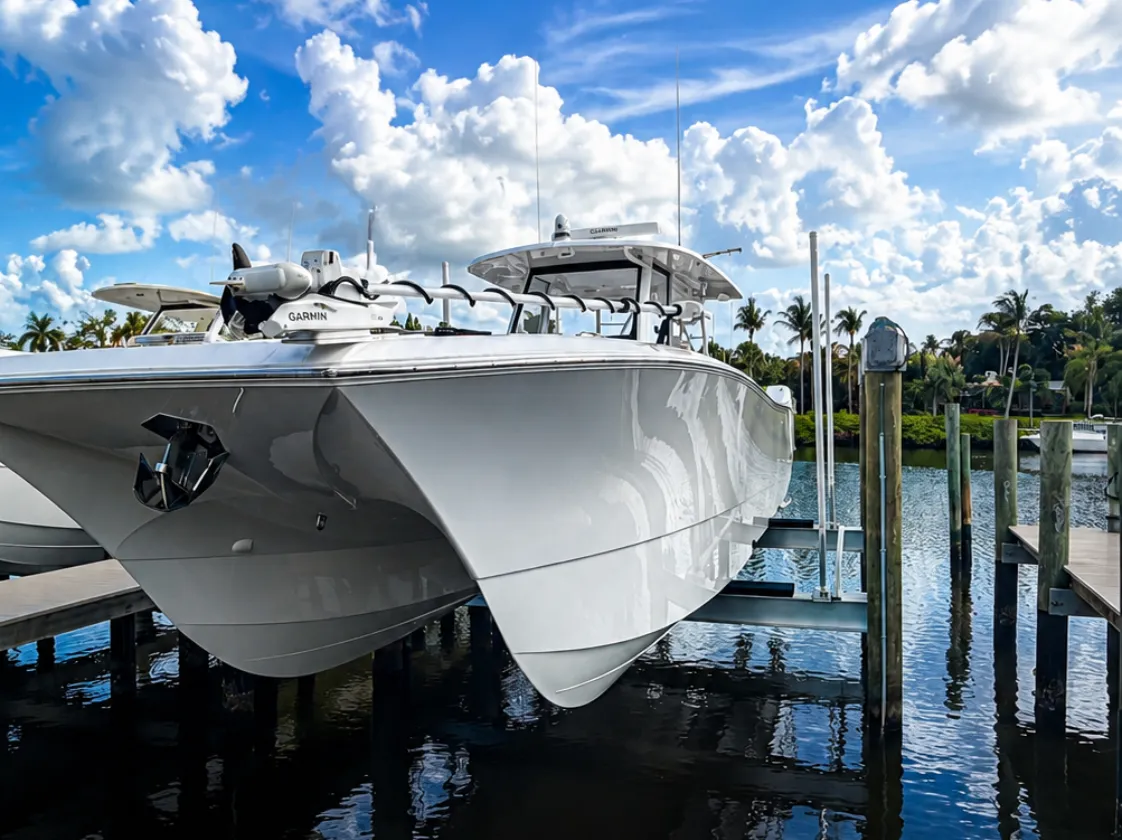
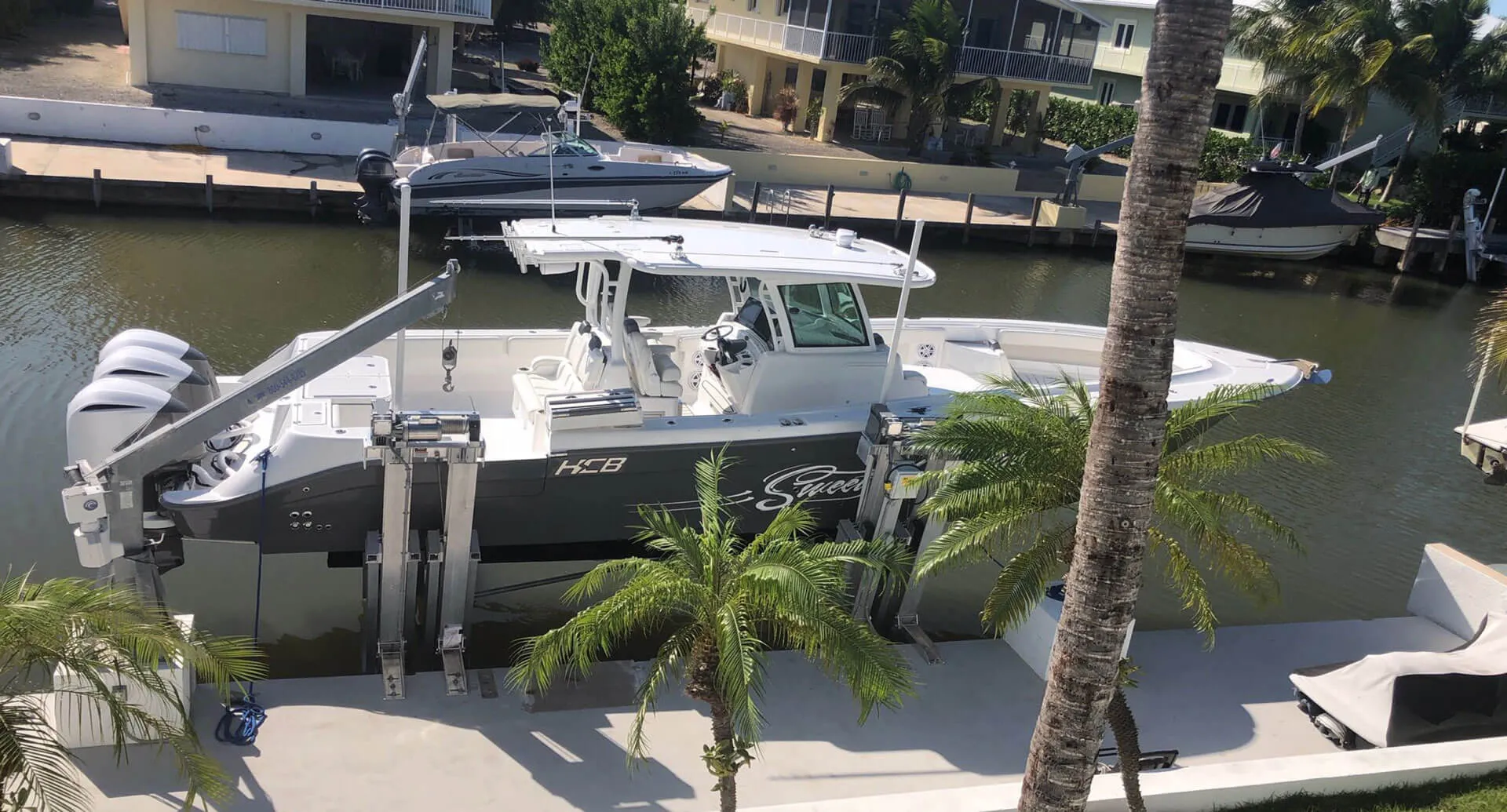
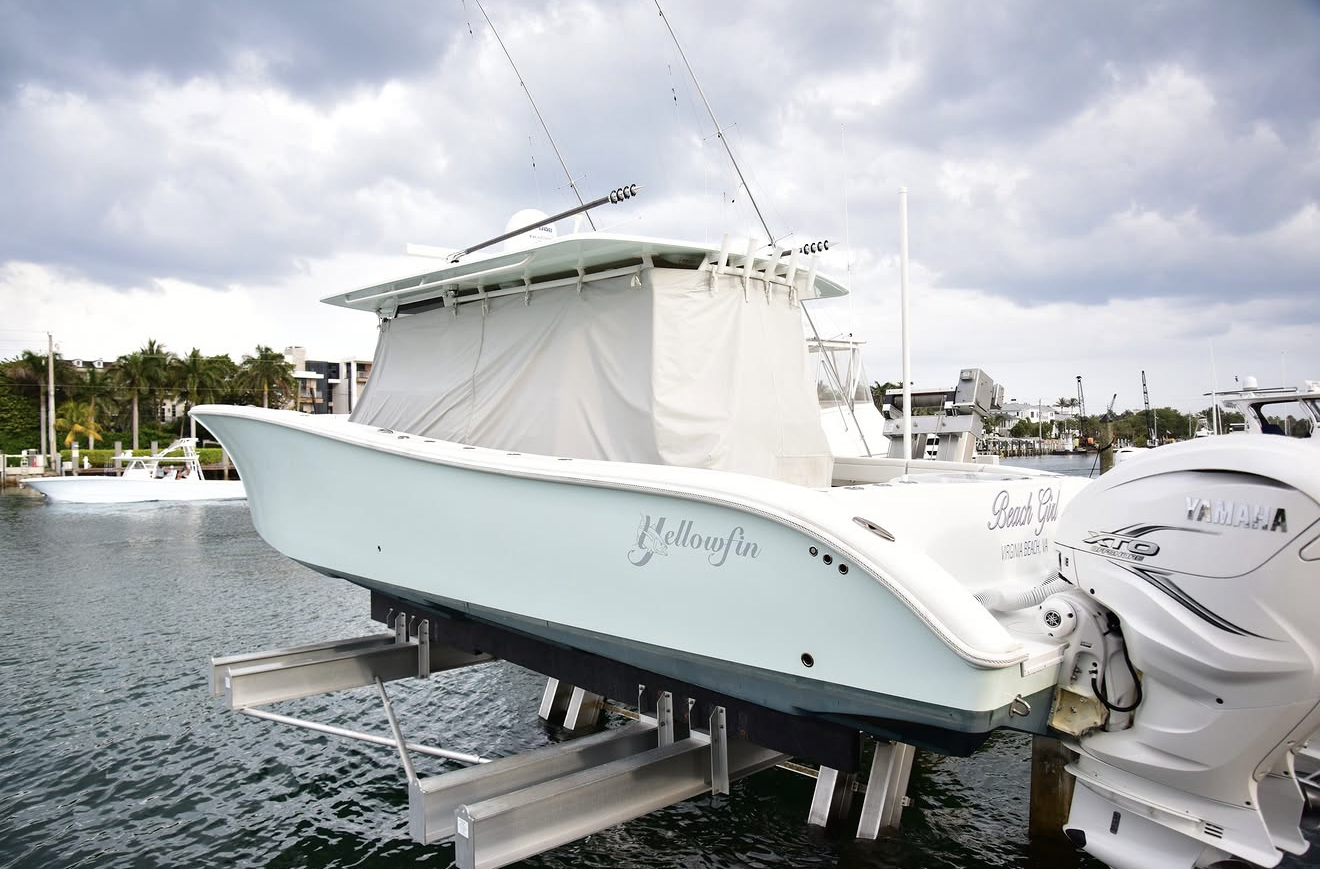
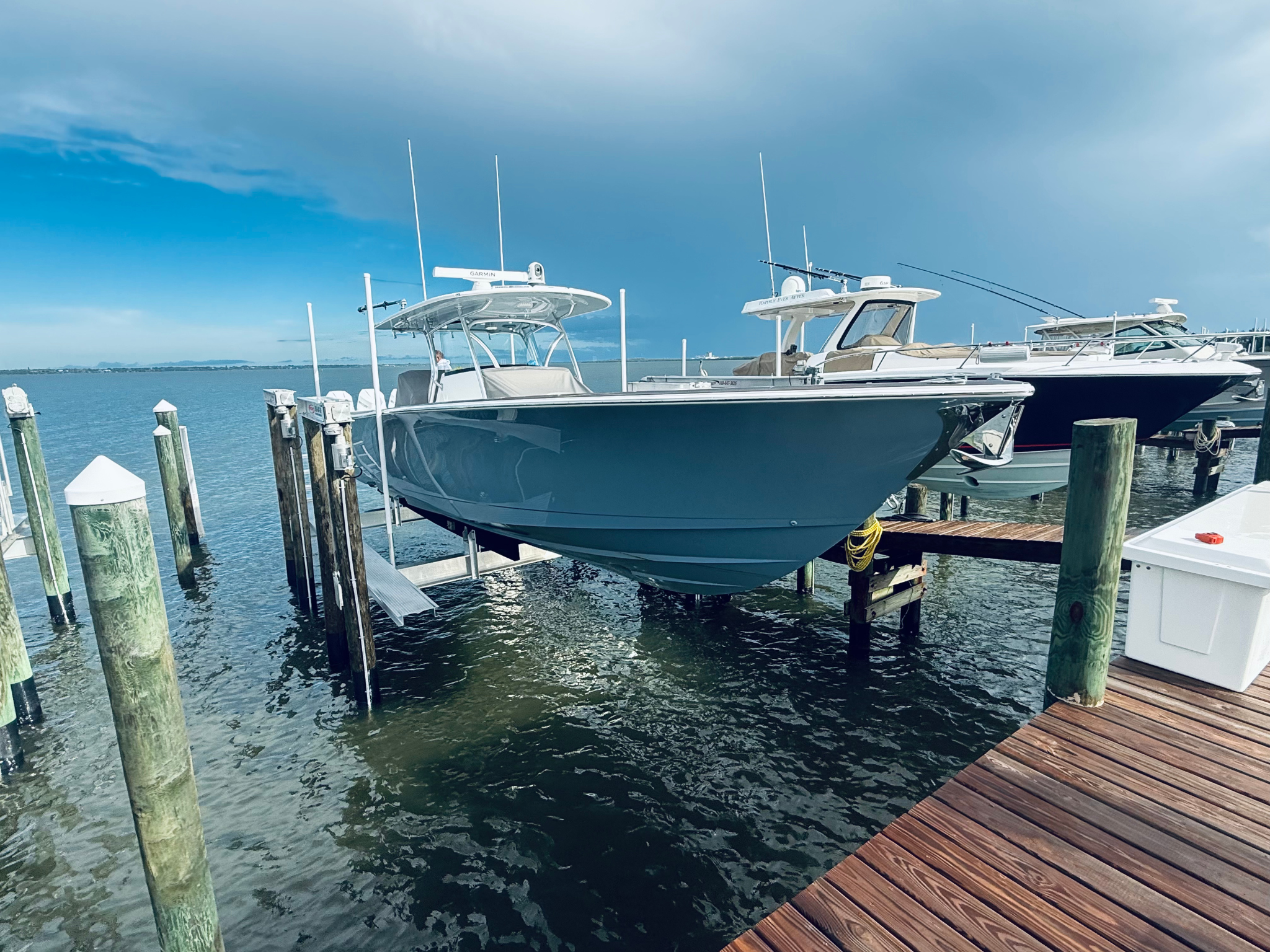
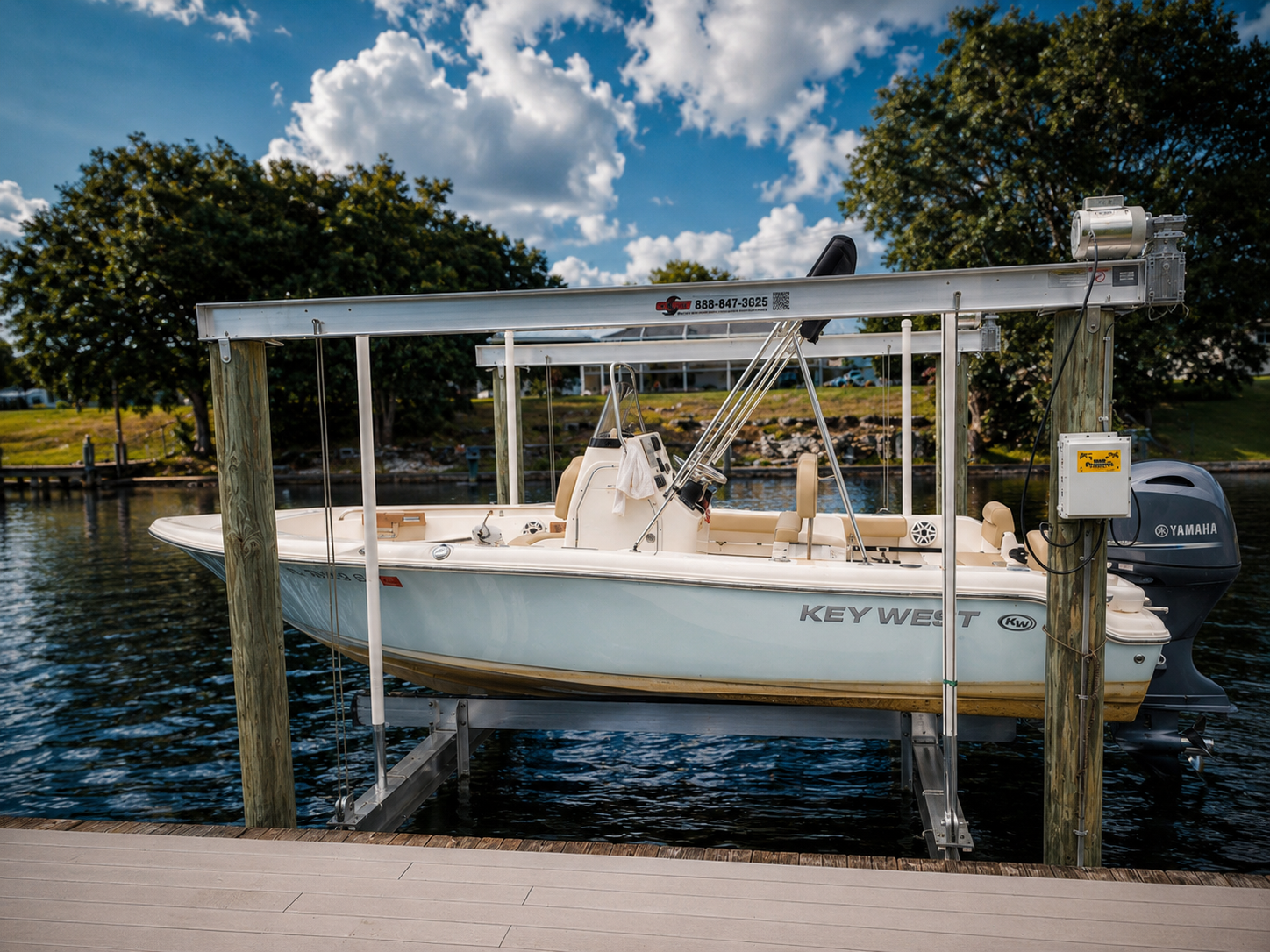
Adding boat lifts generally costs $1,000 to $8,000+, depending on the lift type, capacity, and whether you’re lifting larger boats or smaller personal watercraft. Installing the lift during initial dock construction lets your contractor design the structure around the lift loads. Retrofitting a lift later can mean extra steel, new brackets, or structural upgrades that raise the cost to build well beyond the original plan.
Maintenance Costs
Every boat dock carries ongoing maintenance costs, like cleaning, sealing, hardware replacement, and occasional repairs. Wood especially requires regular maintenance, while composite and aluminum docks offer lower annual but higher upfront installation costs.
Removal or Seasonal Storage
If you have removable docks in a cold climate, you’ll have to budget for seasonal pull-out and re-installation. These recurring services add to long-term dock costs, but they can also protect your investment from ice damage.
Do Docks Need Permits in 2026?
Permits are just a necessary part of the game, and there’s no getting around them in most respects. Fortunately, they tend to sit on the lower end of the cost ladder, though they can be a pain to obtain, depending on the complexity and location of the project.
When Permits are Required
Most areas require permits for dock installation, especially on public waters or environmentally sensitive shorelines. Rules vary by state, municipality, and even lake association, so check your local regulations before you build a dock on your waterfront property.
In Florida, permitting runs through the Florida Department of Environmental Protection:
- There are three paths: exemption, general permit, or individual permit
- Most residential docks and elevator boat lifts qualify for a general permit
- Some minor projects can be self-certified through DEP
- Local Florida permits are always required (zoning, structural, electrical)
- Seagrass, mangroves, and wetlands heavily impact approval
- Boat lifts are regulated as part of the dock system
- Survey, engineered plans, and specs are typically required
Typical Permit Costs
Permit fees for a boat dock installation range from $100 to $1,000, depending on the scope and review requirements. You may also have survey or engineering costs if you’re planning permanent docks or larger structures.
Approval Timeline
Approvals may take anywhere from a couple of weeks to several months, especially in high-demand regions where dock projects vary significantly based on shoreline impact. It’s a good idea to build this timeline into your game plan, so your installation costs aren’t tied up in last-minute rush fees.
Consequences of Skipping Permits
Skipping permits can lead to fines, forced changes, or even the complete removal of the dock, an enormous hit to your total cost and property value. Working with experienced dock builders who understand permitting can help avoid these unexpected costs.
How Planning for a Boat Lift Saves Money
Adding boat lifts is an upgrade that’s simple enough to pull off during initial construction, but retrofitting them later is more costly. When you plan for a lift during your original dock construction, you’ll protect your watercraft and usually cut installation costs by avoiding structural changes later.
Installing a Lift During Construction
Designing your dock around boat lifts from day one makes it easier to place pilings, run power, and engineer the dock for lift loads. This will generally reduce installation costs and keep the structure cleaner and more efficient.
Retrofitting Costs Later
Adding a lift years down the road usually comes with new pilings, bracing, or reinforcement, and sometimes a partial demo of your existing deck. A retrofit can definitely carry a higher price tag than installing it during the original dock construction.
Structural Reinforcement Considerations
Lift loads concentrate a lot of stress into specific points, so your dock design has to have adequate bracing and connection hardware. Treat the lift as part of the core structure, rather than a potential modification later.
Long-Term Value
A dock-lift combo typically delivers the best long-term value, with easier boat use, better hull conditions, and a noticeable bump in property value for many buyers.
Cost Comparison: DIY vs Professional Installation
Pricing out dock installation may or may not lead to a decision on whether or not to DIY or hire professionals (especially if you, friends, and family members have the requisite skills for the job). On paper, DIY looks a lot cheaper, especially for smaller floating docks or simple basic dock kits.
DIY Costs
Unfortunately, there’s a catch. Mistakes with the structure, local regulations, or boat lift placement can lead to some serious costs, most of which will be unexpected. While the upfront costs are certainly lower, a single mistake can drive that cost into the stratosphere.
Professional Installation
A good professional installation comes with plenty of engineering know-how, permitting help, and experience dealing with tricky shorelines. Sure, there’s a higher upfront cost, but the superior durability and compliance will likely save you in the long run.
When DIY Makes Sense
DIY dock installation makes the most sense when you’re working with a small, straightforward project, not a complicated crib structure or piling dock.
If you’re reasonably handy, comfortable with a wide variety of tools, and have access to a well-designed kit, you can save on labor costs and keep your overall dock costs lower while building a safe, functional boat dock.
Sample Cost Scenarios
There are about a thousand different directions to go on this one, but let’s stick with two fairly common, simpler scenarios.
Small Residential Dock
A small 150- to 200-square-foot floating dock on a gently sloping shoreline might cost:
- $3,000 to $7,000 total, at roughly $15 to $35 per square foot installed
- Basic cleats and ladder, minimal power requirements, and a simple access ramp
This is a good example of keeping dock costs down with a small footprint and lighter dock materials.
Mid-Range Dock with Lift
A mid-range 300- to 400-square-foot piling dock with a single boat lift might run:
- $15,000 to $30,000, with costs ranging based on water depth and dock size
- $20 to $40 per square foot for the dock itself, plus $3,000 to $8,000 for the lift and power
This setup balances initial costs with long-term benefits and functionality.
High-End Custom Dock
A high-end custom project, like large covered docks, multi-slip layouts, composite decking, and premium boat lifts, can easily exceed $40,000 to $60,000. These larger docks may include integrated seating areas, upgraded dock lighting, and extensive electrical work, which all raise the overall cost.
Tips to Reduce Dock Installation Costs
At this point, you probably understand that a dock installation price has a wide range, depending on what, where, how, and when. But there are a few things you can do to knock the overall price down without sacrificing quality and longevity.
- Choose the right dock type and dock materials for your environment
- Build during the offseason, when dock builders may offer better scheduling and sometimes lower labor costs.
- Simplify your dock design, especially if you don’t really need complex shapes or long runs.
- Bundle dock and boat lifting installation to reduce duplicate mobilization and structural work.
- Plan ahead for regular maintenance so your dock remains safe and functional with zero surprise bills.
It sounds pretty simple because it really is. This is why it is so important to come up with a game plan before beginning. Add what you want, and discard what you don’t right there on the drawing room floor.
FAQs
Most homeowners spend between $4,000 and $25,000 on a new boat dock, with many projects around $10,000–$15,000 depending on dock size and dock type. Higher-end builds with composite decking, electrical, lighting, or integrated boat lifts can push well beyond this range, especially in high-demand markets.
The biggest drivers are dock materials, dock size, water depth and conditions, site access, and regional labor costs. Factors like wave exposure, required pilings, permitting complexity, and whether barge access is needed can also significantly increase total project costs.
Not always, but many areas do require permits or approvals for dock installation, especially on public or regulated waters, so always check local regulations first. In coastal states like Florida, environmental review, setbacks, and submerged land use rules often make permitting a required step.
Usually, no. Integrating boat lifts during initial dock construction is typically cheaper than retrofitting, which may require structural changes and extra installation costs. Adding later can also mean reopening permits, modifying pilings, and dealing with access limitations that increase labor time and overall expense.
Ready to Plan Your Dock Project?
Understanding the breadth and scope of a full boat dock installation cost in 2026, including per square foot costs and permits, boat lifts, and long-term maintenance costs, will help you build a dock that fits your shoreline and budget.
If you’re ready to explore your options, it’s worth scheduling a site evaluation with experienced dock builders who can walk your waterfront property, discuss dock type options with you, and provide a detailed quote for your boating and shoreline needs.
Request a personalized consultation with Hurricane Boat Lifts and review your dock design ideas, dive deeper into boat lifts and maintenance guides, and build a new dock that’s durable and low-maintenance.