Skip to content

Owning a boat lift is one of the smartest ways to protect your vessel. But that reliability depends on how carefully you plan and execute boat lift maintenance.
Proper care strengthens your system, keeps your investment protected, and helps avoid costly repairs that can result from neglect. A well-maintained boat lift saves you time, reduces wear on your boat’s hull, and adds years to both the lift and your watercraft.
Here are a few boat lift maintenance tips that will come in handy.
1. Start with Regular Inspection and Care
Monthly checks play a major role in extending the lifespan of your lift. Many expensive repairs start as small, unnoticed issues, like a bit of corrosion on a cable, a loose bolt, or mild alignment problems.
Over time, those small signs grow into serious mechanical failures. Regular inspection is the simplest form of boat lift care and maintenance, and it takes only a few minutes each month.
When inspecting your lift:
- Examine the cables for fraying or rust buildup.
- Check pulleys for smooth rotation and look for grooves or uneven wear.
- Tighten all bolts and nuts.
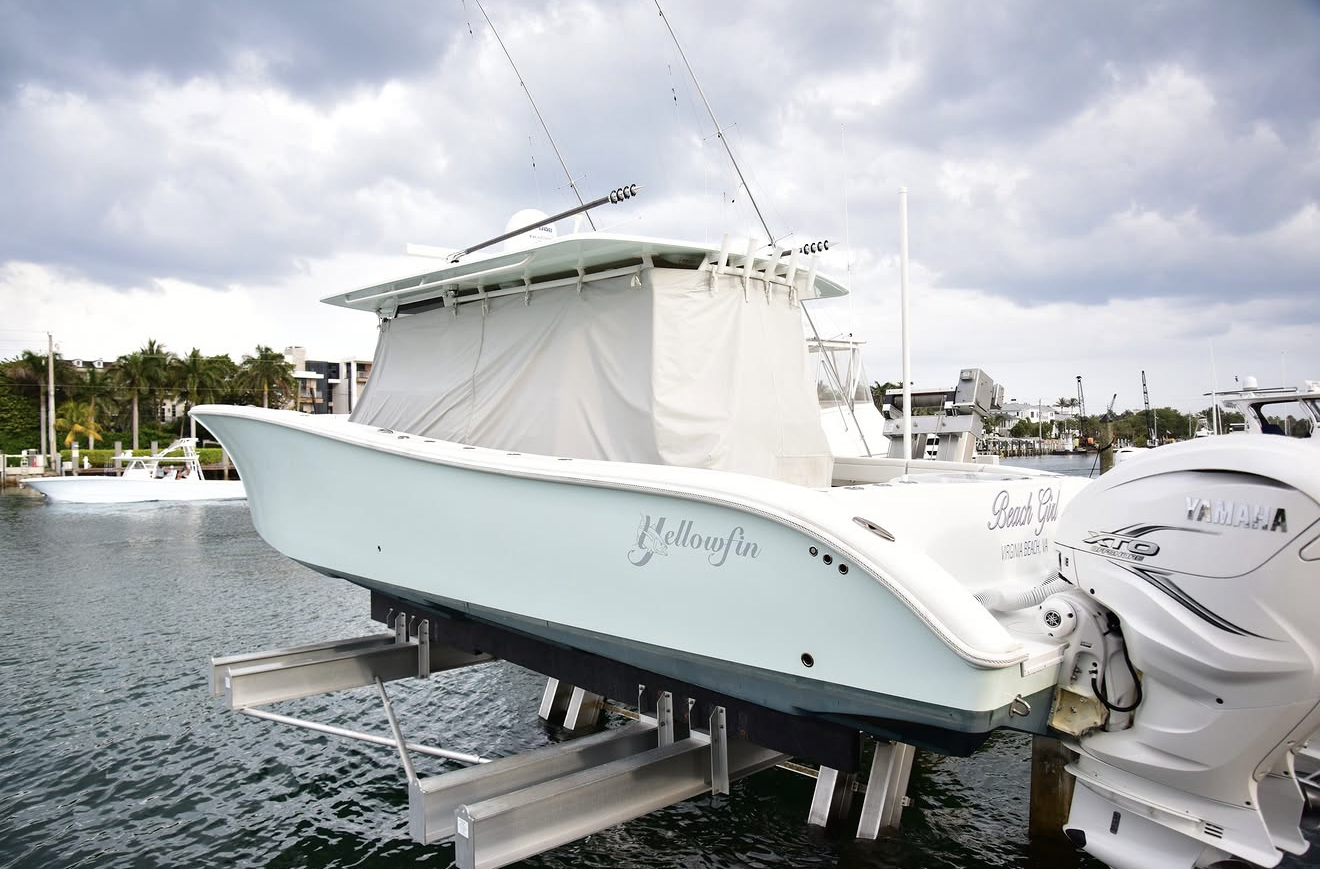
- Inspect beams and cradle components for corrosion or rust.
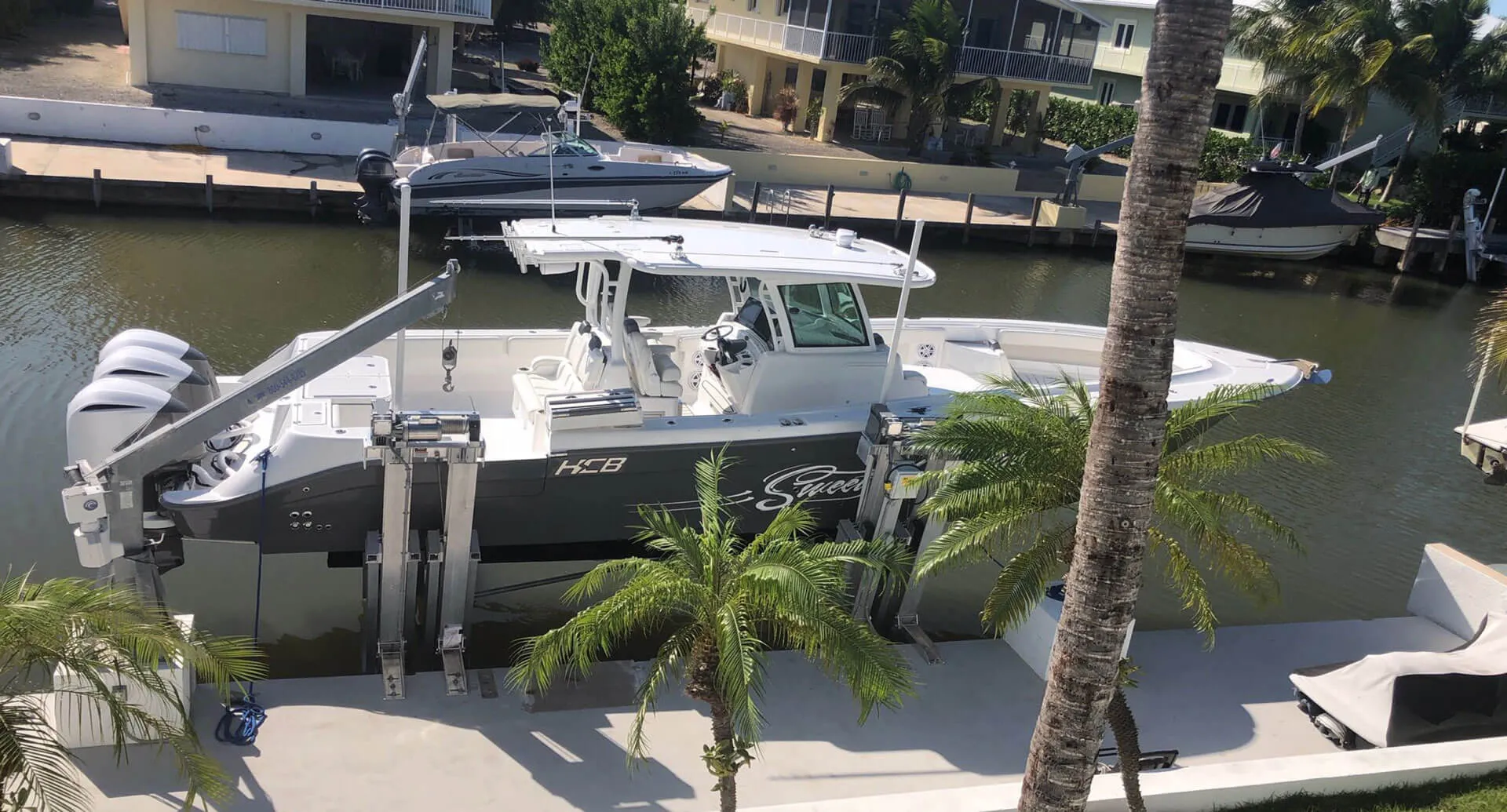
Whether your lift uses a cradle style or a beamless boat lift system, regular care helps you detect problems before they affect performance.
2. Keep the Cable and Lift Line in Top Shape
The cables and lift lines do most of the heavy work, so their condition determines how safe and dependable your setup is. Proper cable care includes both cleaning and lubrication. Without lubrication, salt and moisture can accelerate rusting and weaken the steel.
This step of the boat lift care and maintenance includes:
- Applying light, non-corrosive lubricant to movable parts every few months.
- Washing the lift cables with fresh water to remove salt and grime.
- Inspecting spools and winches for proper winding and tension.
- Replacing cables immediately if you spot any frays or cracks.
Setting a replacement schedule is important. Most cables last between two and three years, depending on usage, load, and exposure. Following a timeline prevents sudden breaks and unwanted downtime.
If you want greater longevity, consider marine-grade lift accessories. They are designed for better corrosion resistance and smoother performance in harsh marine environments.
3. Don’t Ignore Electrical and Drive System Safety
The drive and control system of your boat lift requires as much attention as the structural parts. Worn wiring or faulty connections may go unnoticed until they cause power loss or motor failure. A key part of boat lift maintenance is testing the drive system regularly.
So, you should:
- Inspect the motor cover to confirm it is sealed and free from moisture.
- Check all electrical connections for corrosion or discoloration.
- Test the safety switches and circuit breakers.
- Listen to the motor during operation. Grinding or irregular sounds may indicate mechanical issues or poor lubrication in the gearbox.
Electrical safety is especially critical for beamless boat lifts and hydraulic systems. Since these rely heavily on electronic drives and fluid controls, proactive testing makes sure your lift remains reliable and secure.
4. Focus On Seasonal Maintenance (Summer and Winter)
Weather affects your boat lift more than almost any other factor, and seasonal care helps you stay on top of it. With the right strategy, your lift system can handle fluctuations in temperature, humidity, and water levels.
During the warmer months, your boat lift maintenance should include cleaning salt, algae, and barnacle buildup from every component. Regular rinsing helps prevent corrosion and maintains smooth movement in pulleys and joints.
Before colder or storm-heavy seasons, apply a protective coating or spray lubricant to metal parts. This barrier keeps out moisture and slows rust formation.
Storm readiness is another key part of seasonal care. High winds and water surges can strain the boat lift if the cradle remains in the raised position. Lowering your boat and securing all lines helps reduce stress and lowers the risk of twisting or bending.
If you use a boathouse boat lift or other covered lift systems, check the roof, beams, and moving parts for signs of corrosion after every major weather event. Preventive adjustments before storm season can save your lift from unnecessary damage or costly repairs later.
5. Invest in Safe Operation Practices
Safety always comes first when operating your boat lift. Even the most durable systems need conscious handling, and you need to do it safely.
Here are a few boat lift safety tips:
- Always balance the load properly before lifting.
- Avoid exceeding weight limits listed in your manual.
- Keep the boat centered within the cradle.
- Maintain safe clearance under docks and walkways.
- Remove passengers before raising or lowering the boat.
When inspecting or performing any boat lift care and maintenance, wear gloves and non-slip footwear to avoid injuries.
6. Work with A Professional Boat Lift Service Company
While you can DIY most of the routine maintenance, some aspects require professional support. Hire a professional boat lift service team to plan an annual check-up to identify and fine-tune any issues that might go unnoticed in casual checks.
A skilled technician can recalibrate cables, test torque limits, and confirm your lift structure maintains its factory specifications.
Typically, a full boat lift service provides:
- Motor and gearbox evaluation
- Cable realignment
- Rust prevention treatment
- Drive switch and control inspection
- Structural and balance adjustments
Whether your lift has seen years of exposure or is newly installed, scheduling yearly maintenance keeps it strong and reliable.
FAQs about Boat Lift Maintenance
How often should I service my boat lift?
It’s best to perform a full professional inspection once per year, but minor cleaning, lubrication, and visual checks should happen monthly.
What causes my boat lift cables to rust?
Rust forms when salt water and moisture reach unprotected steel. However, regular rinsing and lubrication can minimize this exposure and extend cable life.
Can I inspect electrical components myself?
You can perform visual inspections for damage or corrosion, but electrical work should always be handled by a certified technician to prevent shock hazards.
Do boat lifts need extra care during hurricane season?
Yes, securing your boat, tightening fasteners, and lowering the cradle before storms helps protect your lift structure.
Key Takeaways
Regular inspection, cleaning, and lubrication are the foundation of effective boat lift maintenance. Paying attention to cables, electrical systems, and drive mechanisms prevents unplanned downtime and costly repairs. Seasonal adjustments protect your lift from corrosion, while professional service guarantees long-term reliability.
- Regular maintenance prevents breakdowns and costly repairs.
- Annual professional inspections ensure lasting safety and performance.
Hurricane Boat Lifts offers a wide range of boat lifts suitable for both fresh and seawater marinas across the country. We also provide marine-grade accessories for all types of lift systems. Call 772-781-2556 or 888-847-3625, or through our website.