Skip to content

- Boat slips are convenient but limited in space and compatibility with hoisting systems
- Boat docks offer flexibility, customization, and the best setup for vessel protection equipment
- A private dock is the strongest long-term choice for protecting your boat and property value
- The key differences between a boat slip and a boat dock
- Whether a boat slip can accommodate a hoisting system
- Why private boat docks work better for vessel protection equipment
- How to choose the right option for your situation
What Is a Boat Slip?
A boat slip is a designated space for a single watercraft, typically found within a marina or shared waterfront facility. Think of it as a reserved berth, enclosed on three sides by docks, pilings, or neighboring boats. The configuration makes it easier to pull in bow first, tie off at mooring points, and secure your vessel. Boat slips are the standard mooring option at most commercial marinas.Important Features
- Limited space — Boat slips are sized to park one vessel and offer little room for accessories or additional equipment beyond basic mooring points
- Shared environment — You’re docking alongside other boaters, which means shared walkways, noise, and proximity to neighboring vessels on open sides
- Utilities often included — Most marina slips provide access to shore power and water hookups, making them convenient for boats that need regular charging or freshwater supply
What Is a Boat Dock?
A boat dock is a structure extending from the shoreline into the water for mooring, launching, and boarding a vessel. Unlike a boat slip inside a shared marina, a boat dock is typically privately owned and attached to specific private properties along the waterfront.Types of Docks
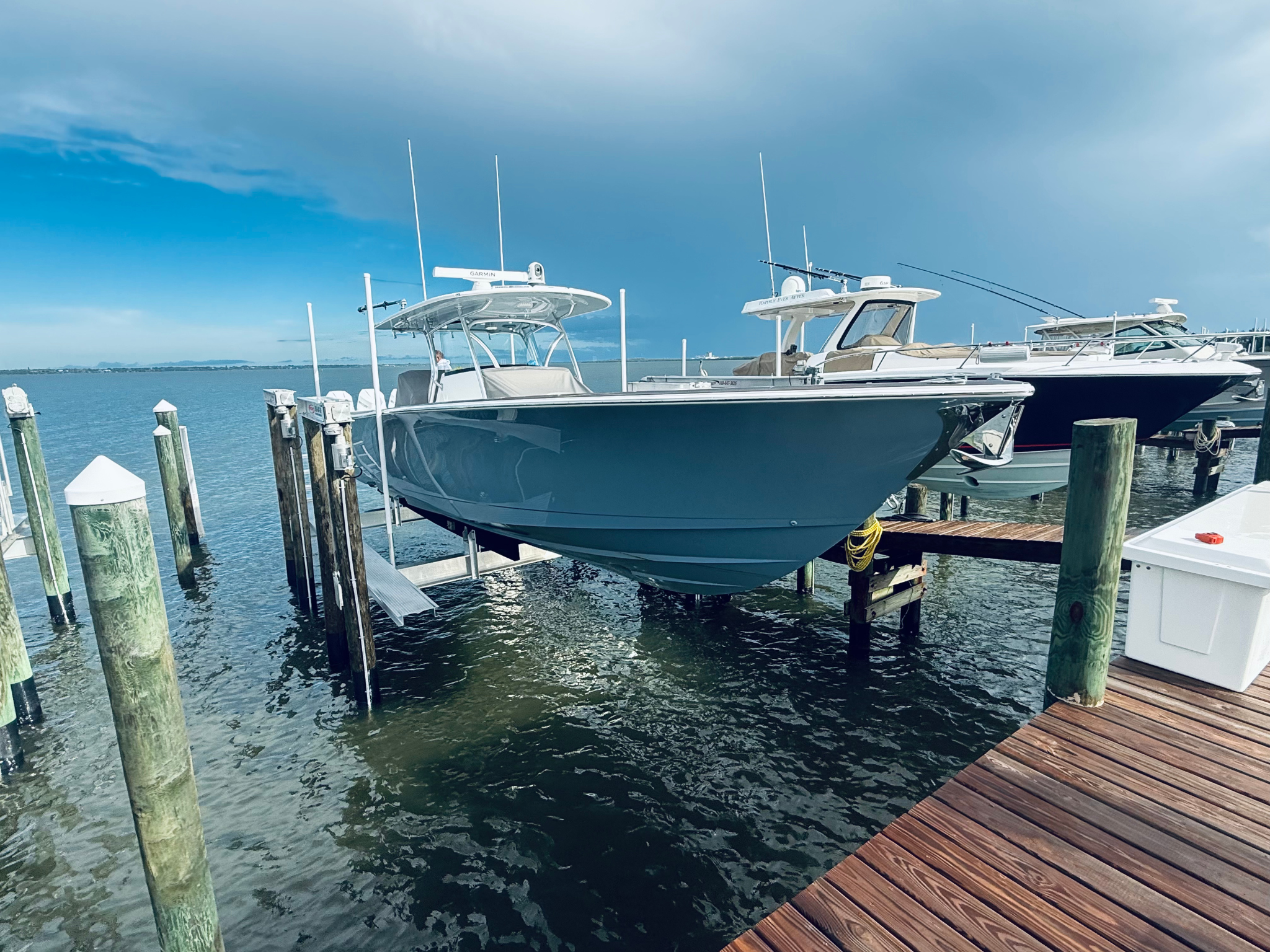
Fixed boat docks are anchored to pilings and stay in place regardless of water-level changes. Floating docks rise and fall, making them popular in tidal areas and deeper waters. Piling docks are elevated on vertical posts and offer strong structural support for larger boats and vessel protection systems.Key Advantages
Private boat docks give boaters full control over layout, size, and configuration without marina rules or restrictions. Electrical systems, cleats, ladders, and equipment mounts can all be added at the owner’s discretion. That flexibility makes private boat docks the strongest choice for anyone planning to install a vessel hoisting system.Boat Slip vs Boat Dock: Key Differences
The core distinction comes down to ownership and control. A boat slip gives you a reserved space within someone else’s facility, similar to a single parking space in a shared lot. A boat dock gives you a structure you own, configure, and maintain on your own terms. The difference ripples through everything from cost and privacy to the setup’s support for vessel protection equipment.Boat Slip vs. Boat Dock: Choosing the Right Setup
| Feature | Boat Slip | Boat Dock |
| Location | Marina or shared facility | Private waterfront property |
| Space | Limited, single vessel | Flexible, customizable |
| Privacy | Shared environment | Private access |
| Utilities | Often included | Owner installed |
| Hoist compatibility | Limited by space and marina rules | Ideal for hoist installation |
| Customization | Restricted by marina rules | Full owner control |
| Cost | Lower upfront, ongoing slip fees | Higher upfront, no recurring fees |
| Long-term value | No property equity | Adds property value |
Can You Install a Boat Lift in a Slip?
Yes, but with real limitations that make it impractical in many situations. Marina slips weren’t designed with hoisting systems in mind, and the constraints around space, structure, and rules create challenges that private boat dock owners simply don’t face.Challenges
Most boat slips are sized to park the vessel itself, leaving little available space for a hoisting system’s footprint on either side. Not all slips have the electrical supply a motor-driven hoist requires. Marina authorities often require approval for modifications, and many prohibit installation entirely to avoid damage to shared infrastructure.When It Works
Larger boat slips in well-equipped marinas can sometimes accommodate compact or floating hoist systems. Marinas that allow modifications and have adequate electrical infrastructure give boaters more options. Any installation still requires approval from the marina management before work begins.Why Boat Docks Work Better with Boat Lifts
Private boat docks remove every obstacle that makes boat slip installations complicated. With nearly 12 million registered recreational boats on U.S. waters, more boaters are turning to private boat docks as the practical long-term solution for protection and convenience.1. More Space and Flexibility
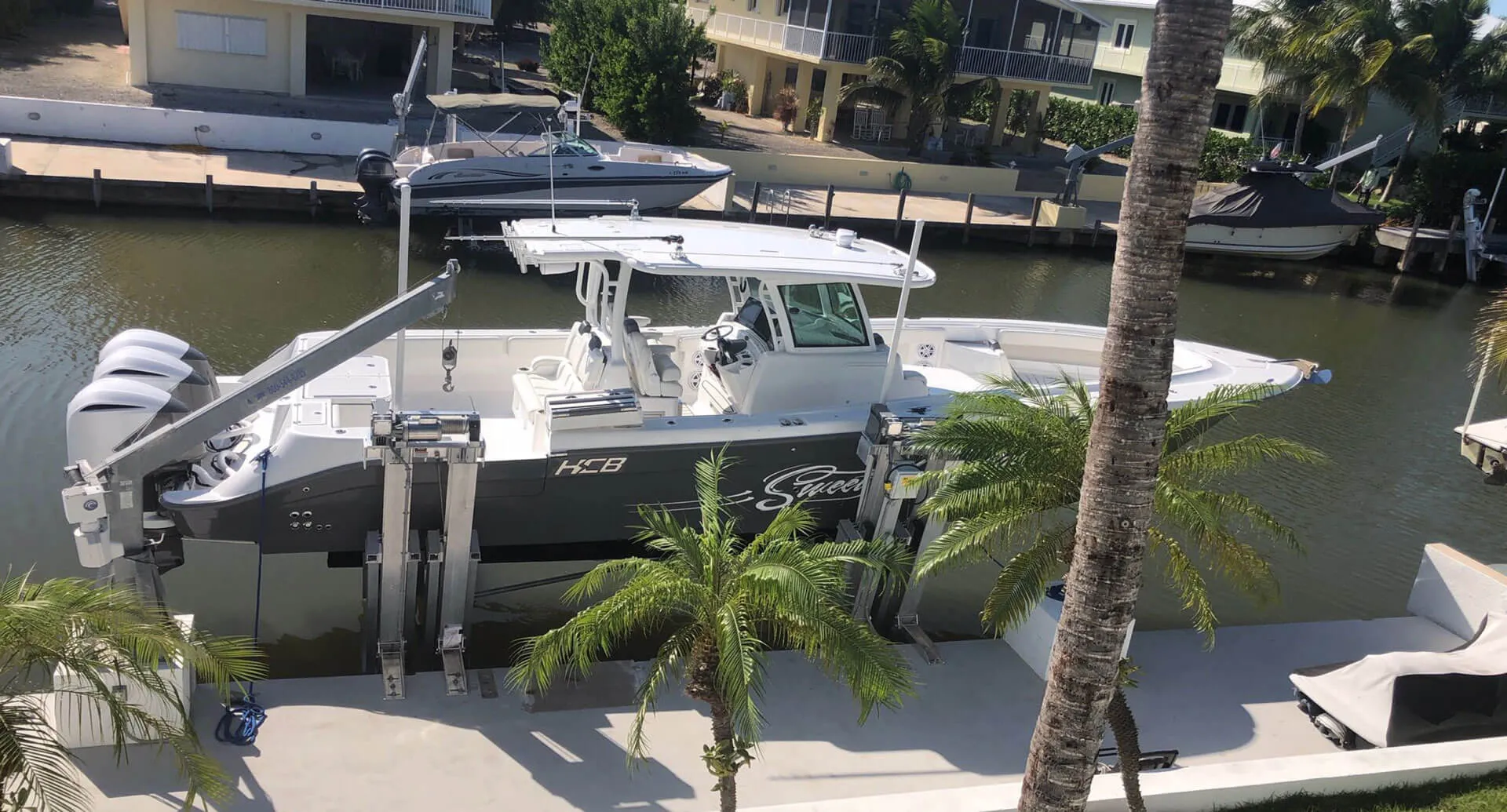
A private boat dock gives a hoisting system room to breathe. There are no neighboring boats to work around, no boat slip dimensions to conform to, and no shared space to negotiate. The boat dock can be built or modified to accommodate the specific equipment the boat requires.2. Better Structural Support
Boat docks can be engineered to handle the load imposed by a hoisting system. Fixed and piling boat docks offer the structural integrity that equipment manufacturers specify for safe installation. Boat slips rely on shared marina infrastructure that wasn’t designed for these loads.3. Customization Options
Electrical systems, reinforced mooring points, ladders, and equipment-specific hardware can all be incorporated into a private boat dock design from the start. Boaters aren’t waiting on marina approval or working around existing constraints.4. Improved Boat Protection
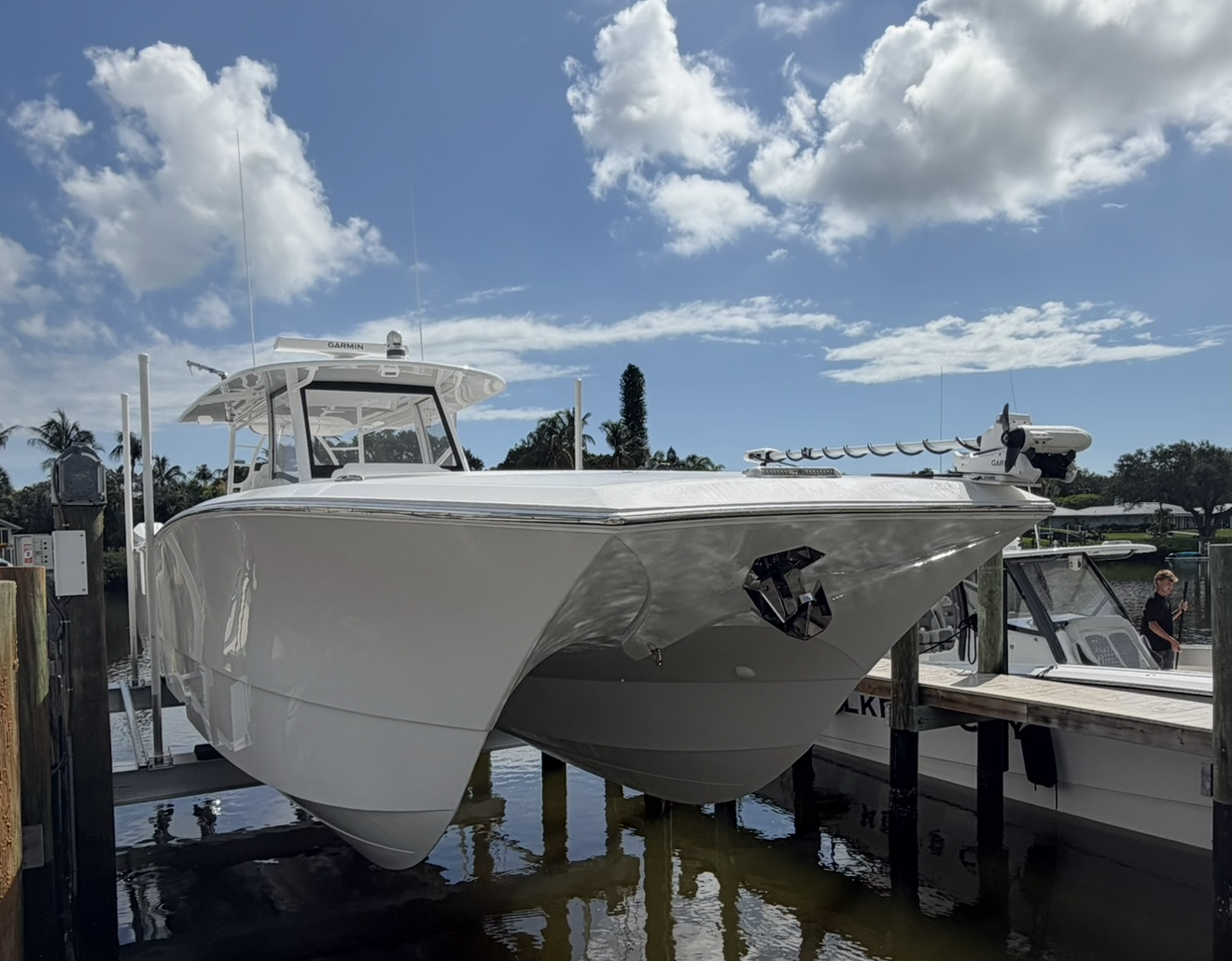
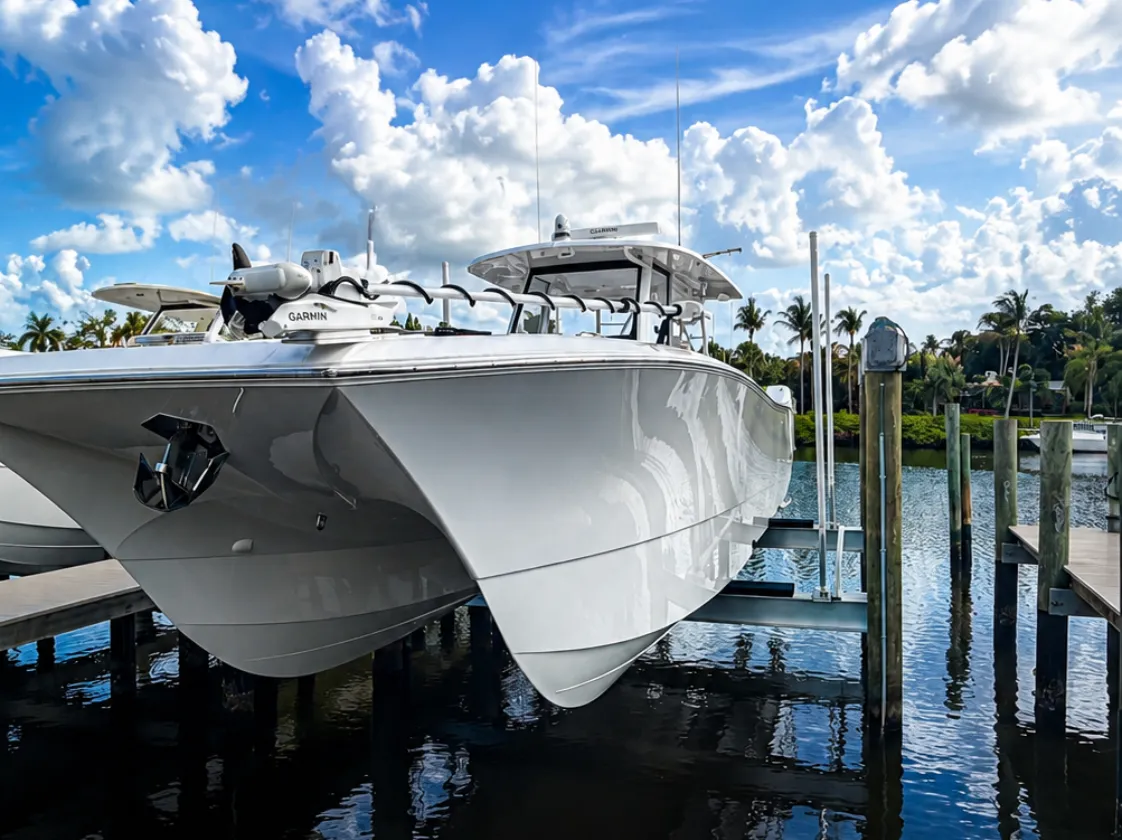
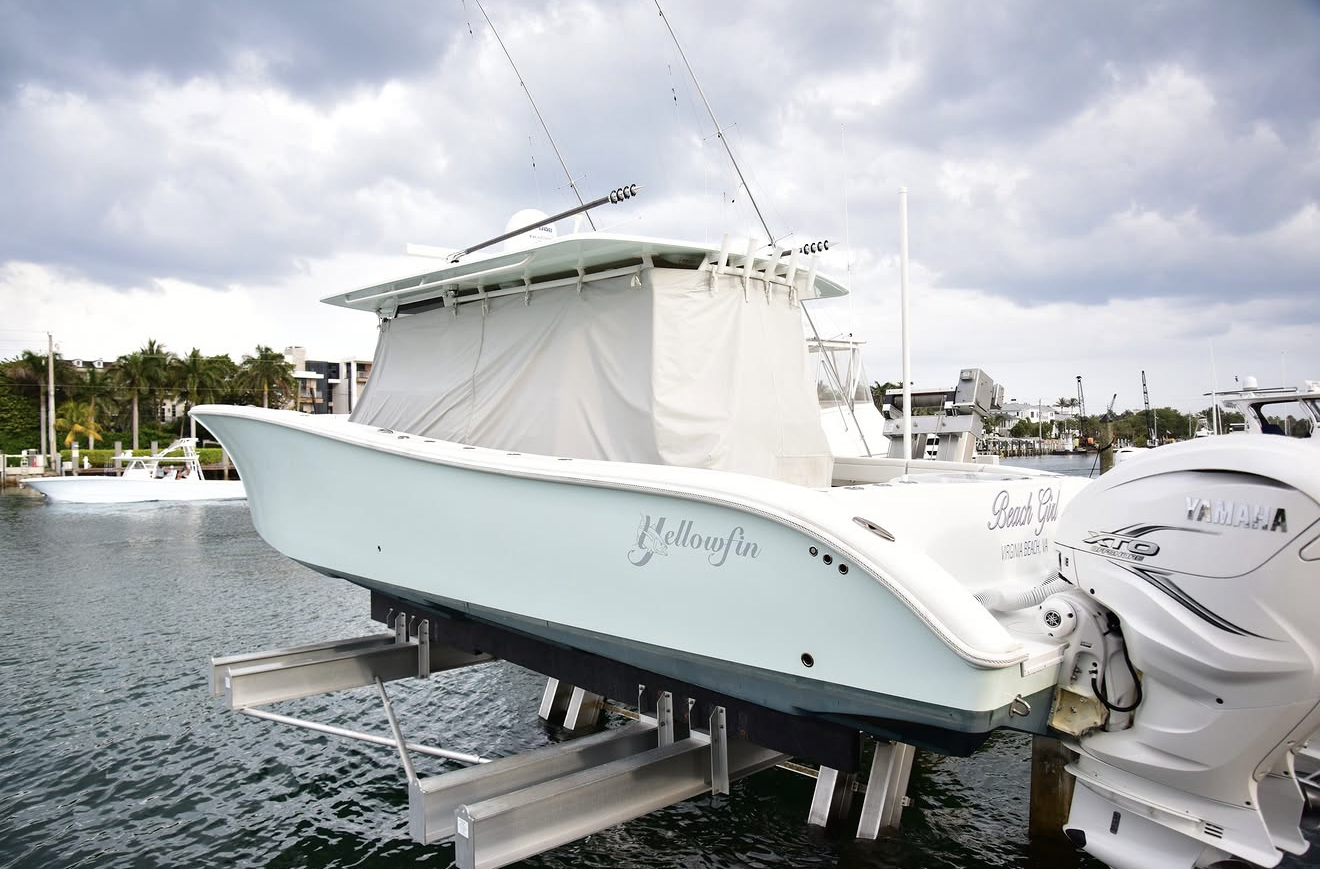
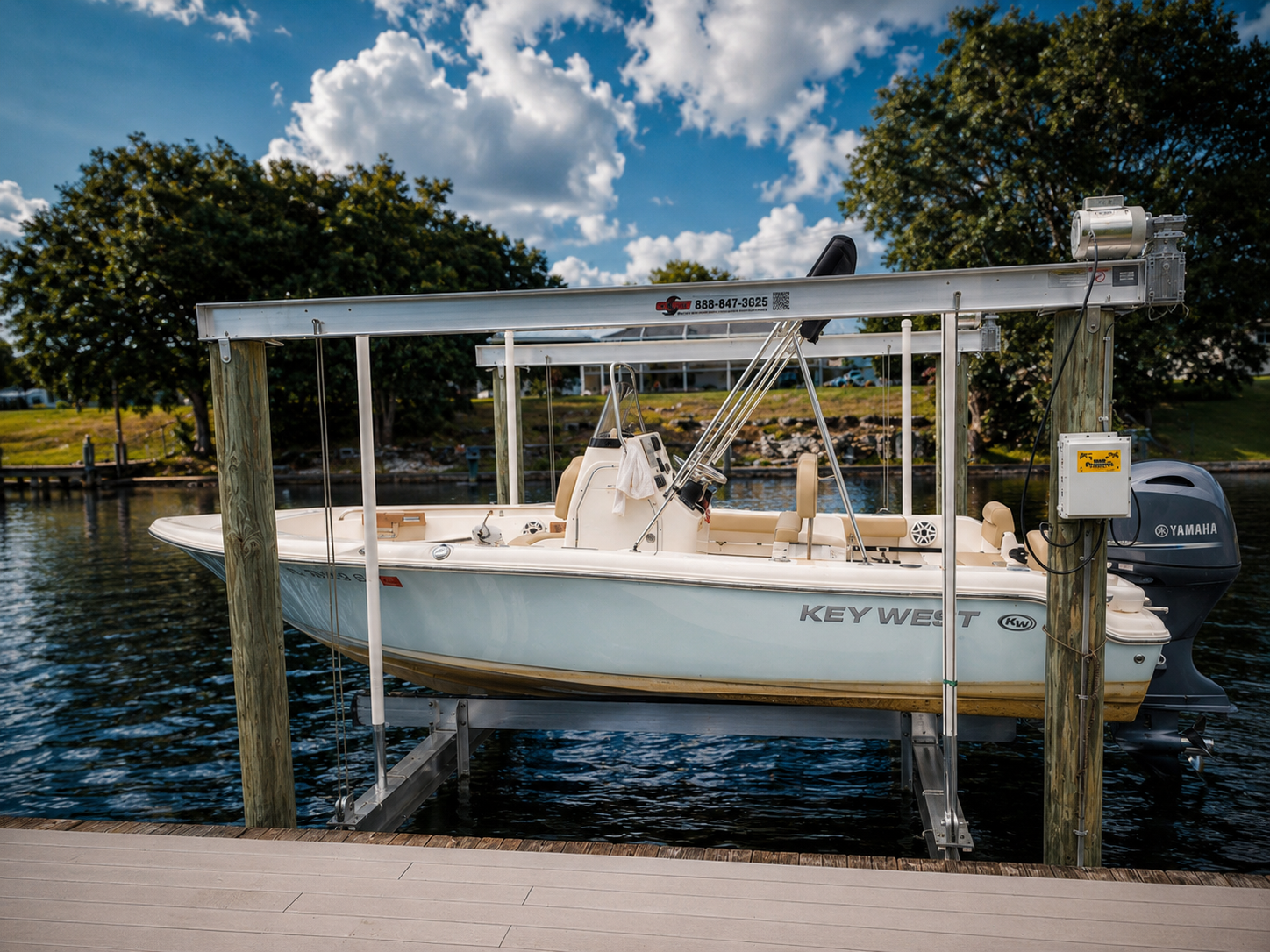
A hoisting system keeps the hull out of the water when the boat isn’t in use, reducing fouling, corrosion, and wear. On a private boat dock, that added protection is available every time the vessel comes in, without scheduling around marina rules or shared systems.Boat Slip vs Dock: Pros and Cons
Every boat storage decision involves tradeoffs. Boat slips and boat docks each have genuine advantages depending on your situation, budget, and long-term goals.Boat Slip Pros
Boat slips offer a lower upfront cost than building or buying a private boat dock. Marina amenities such as fuel, pump-out stations, and on-site services are included with the rental at many facilities. The shared community environment appeals to boaters who enjoy the social side of marina life.Boat Slip Cons
Hoist compatibility is the most significant limitation, with less space and marina restrictions making installation difficult in most boat slips. Less privacy means sharing walkways and noise with neighboring boaters. Exposure to other vessels on open sides also increases the risk of contact damage during rough weather.Boat Dock Pros
Private boat docks are the ideal setup for vessel protection equipment, offering the space, structure, and electrical access that hoisting systems require. Greater control and privacy mean no marina rules and no approval process for modifications. A well-built boat dock adds long-term value to waterfront property.Boat Dock Cons
The higher initial cost of building or purchasing a private boat dock is the most common barrier. Maintenance responsibility falls entirely on the owner, covering structural repairs, electrical upkeep, and seasonal care.Which Option Is Best for You?
The right choice depends on how you use your boat, where you park it, and whether a hoisting system is part of your plan. Here’s a simple way to think through the decision. Choose a boat slip if:- You want low maintenance and prefer a marina handling facility upkeep
- You’re mooring your watercraft in a shared marina setting without waterfront property
- You don’t plan to install vessel protection equipment now or in the future
- You want to install a hoisting system for better protection and easy access
- You own waterfront property and want full control over your setup
- You prioritize long-term boat protection, security, and property value
Boat Lift Compatibility Tips
Before committing to installation, several factors determine whether your boat dock can support the hoisting system you need.- Check water depth. The system needs adequate depth to fully submerge and operate at the lowest water level your location experiences
- Evaluate dock structure strength. Not all boat docks are built to handle these loads. Have a professional assess whether your existing structure needs reinforcement before installation
- Confirm proper electrical setup. Most systems require a dedicated electrical circuit. Confirm your boat dock has the right power supply and that the wiring meets local marine electrical codes
The Right Setup Makes All the Difference
The decision between a boat slip and a boat dock shapes your boating experience from daily convenience to long-term protection. For anyone serious about protecting their vessel with a hoisting system, a private boat dock is the clear choice. At Hurricane Boat Lifts, we work with waterfront property owners to design and install systems that fit their boat dock, their boat, and their goals. Whether you’re starting from scratch or upgrading an existing setup, our team brings the expertise to get it right. Contact Hurricane Boat Lifts today to schedule a consultation and discover which system works best for your boat dock. Let us help you protect your investment and get more out of every day on the water.Common Questions About Boat Slips and Docks
Yes, but with some considerations. The boat dock must be properly anchored and rated to handle the combined weight of the equipment and vessel. A professional assessment before installation confirms whether your floating dock can safely support the system.
The space required depends on the equipment type and boat size. Most residential systems need several feet of clearance on each side of the watercraft. A qualified technician can measure your specific slip or dock setup and recommend the right system.
Most marinas have rules governing modifications to boat slips, and many prohibit installation entirely. Always check with marina management before purchasing equipment intended for a boat slip installation.
Fixed and piling boat docks offer the strongest structural foundation for hoisting equipment. Floating docks can work in the right conditions but require careful evaluation of load capacity and anchoring.
A hoisting system keeps the hull out of the water when the vessel isn’t in use, significantly reducing fouling, corrosion, and wear. Over time, that extra protection reduces maintenance costs and helps preserve the boat’s value.
A well-installed hoisting system on a private boat dock is a desirable feature for waterfront property buyers. It signals a protected, well-maintained setup that adds functional and market appeal to the property.
Shallow water systems are specifically designed for boat docks where depth is limited. A Hurricane Boat Lifts technician can assess your water depth and recommend the right equipment for your conditions.
Permit requirements vary by location and jurisdiction. Most boat dock and hoisting system installations require at least a local permit, and some areas require state or federal approval as well. Your installer should be familiar with local regulations.