Skip to content

Did you know that standard boat lifts are attached to a set of at least four pilings that are driven into the surface below the water?
If you think you can’t install a boat lift system just because you’re at a location where you can’t have pilings, think again. An elevator boat lift in Fort Lauderdale allows you to enjoy the benefits of a smartly designed system that can lift your vessel out of the water at different angles.
If you’re researching elevator boat lift installation in Fort Lauderdale, here’s what you need to know before moving forward.

A Closer Look at Elevator Boat Lifts
What Is a Boat Lift?
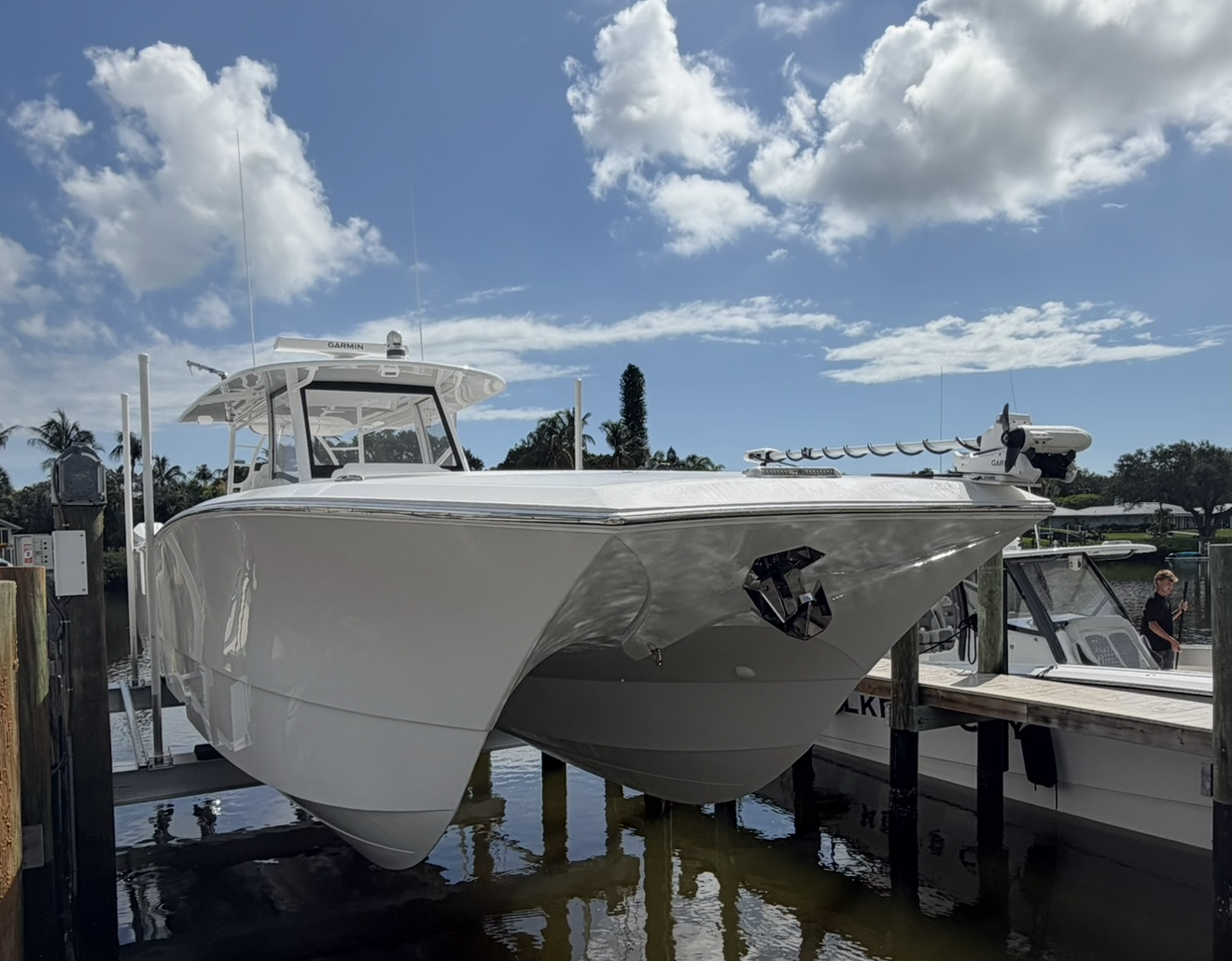
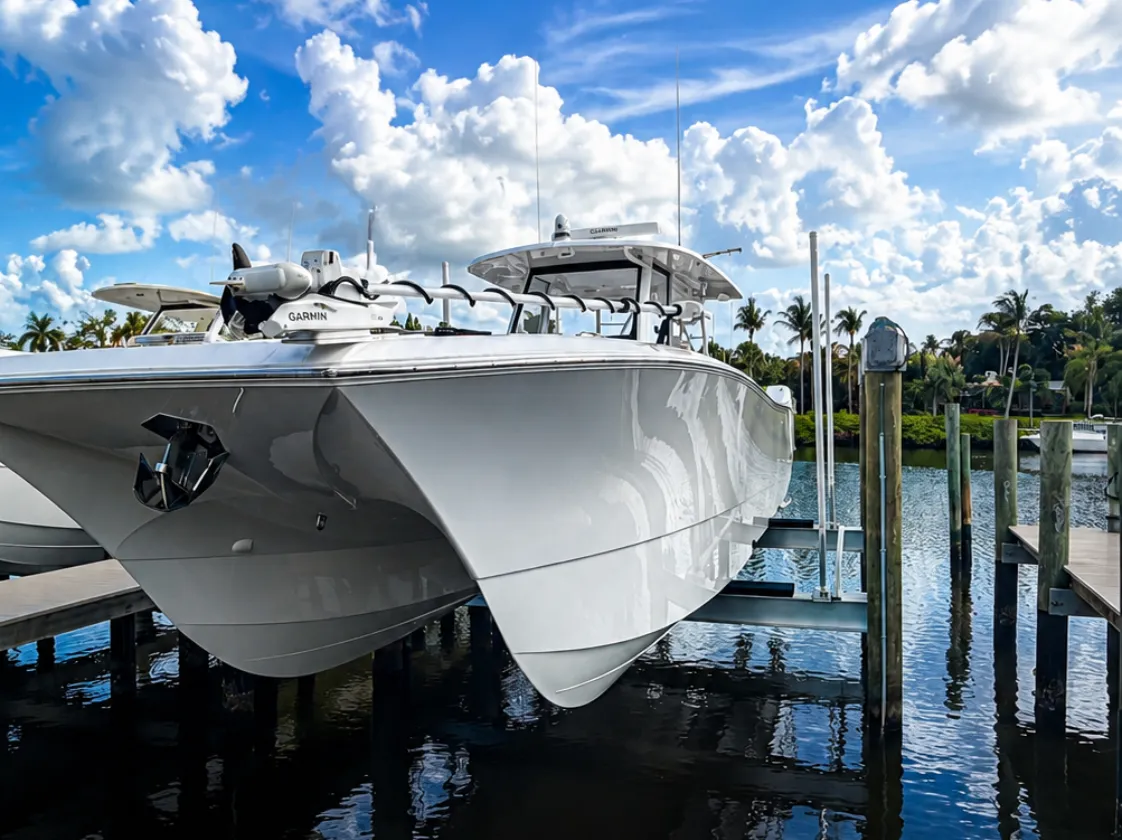
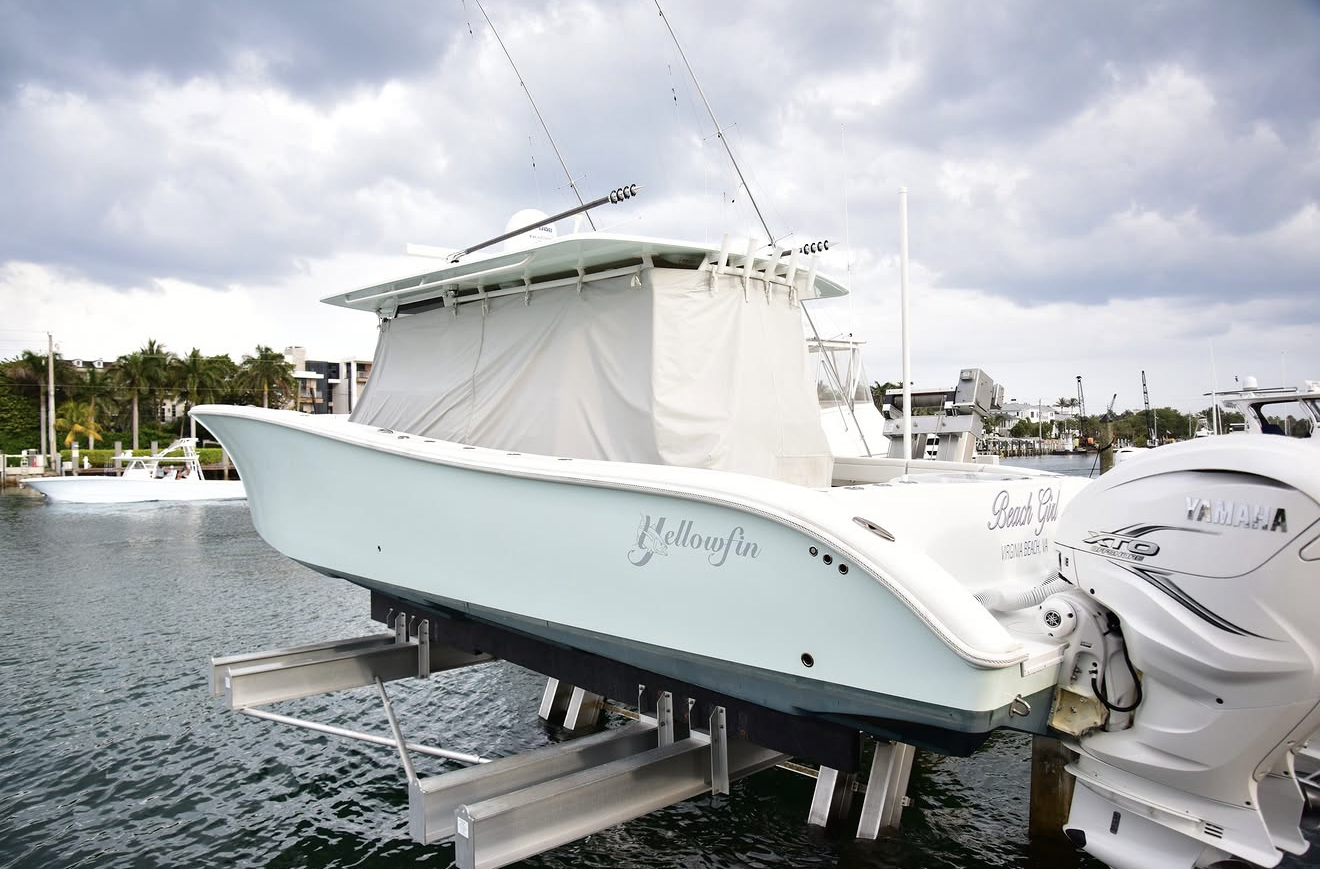
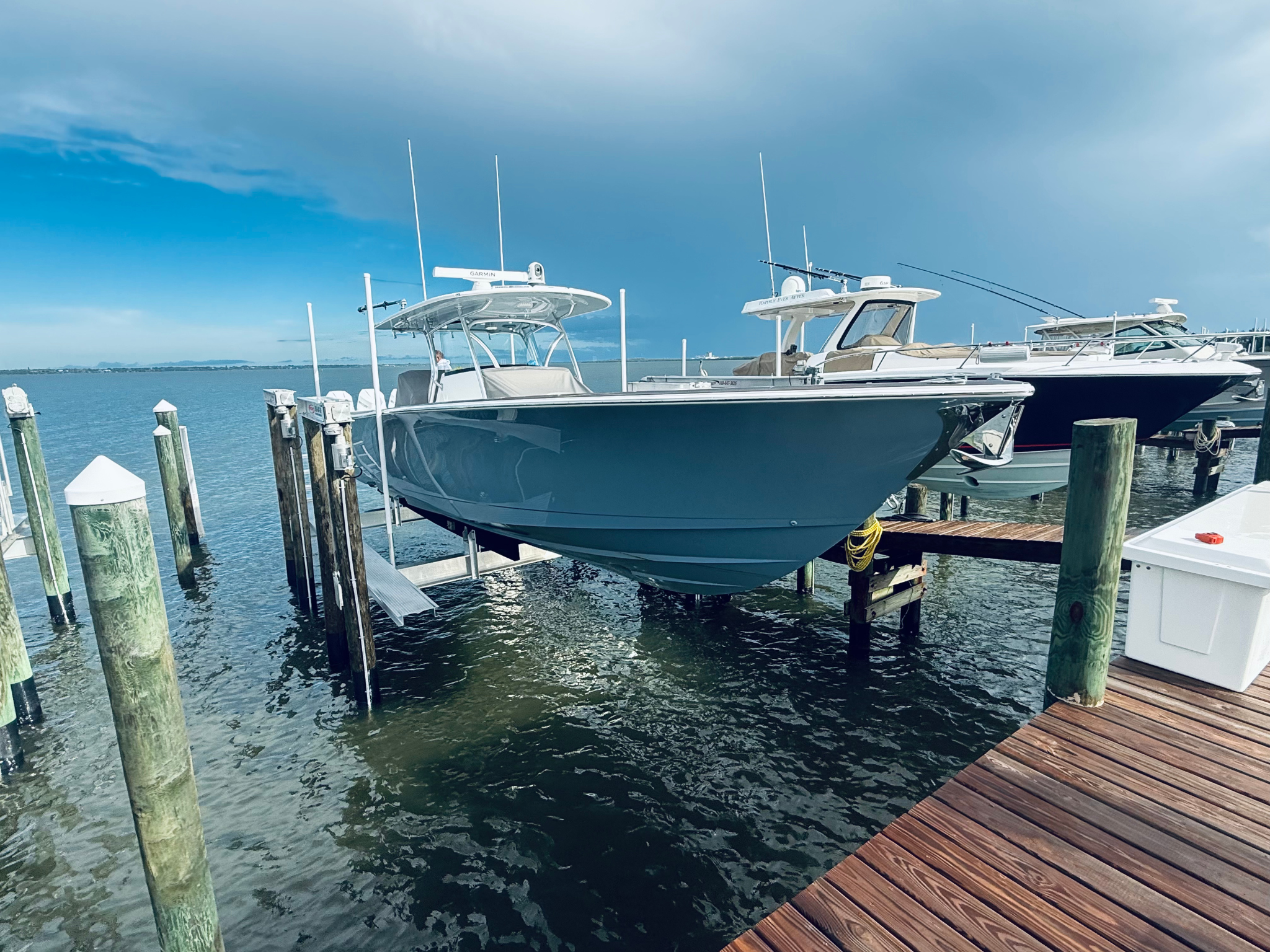
A boat lift is a system that raises your boat out of the water while it’s parked at your dock or marina. Instead of leaving your hull sitting in the water day and night or during a storm, the lift holds it safely above the surface until you’re ready to head out again.
Keeping your boat elevated has clear advantages:
- Stops barnacles and marine growth from building up on the hull
- Slows corrosion on the drive and lower unit
- Reduces staining along the waterline
- Helps prevent bumps and scrapes against the dock
- Cuts down on long-term repair and cleaning costs
It also prevents your vessel from sinking if a bilge pump fails.
When your boat stays out of the water between uses, you eliminate the need for bottom paint in many cases. That alone saves money and ongoing upkeep.
Adding a canopy or roof further protects your investment from sun fading, especially in South Florida’s intense UV exposure.
And compared to launching from a trailer every time, a boat dock lift makes boating sessions far more convenient.
What Is the Difference Between a Standard Boat Lift and an Elevator Boat Lift?
A typical boat lift system uses at least four pilings driven into the water for structural support. Furthermore, its cradle is centered between these pilings.
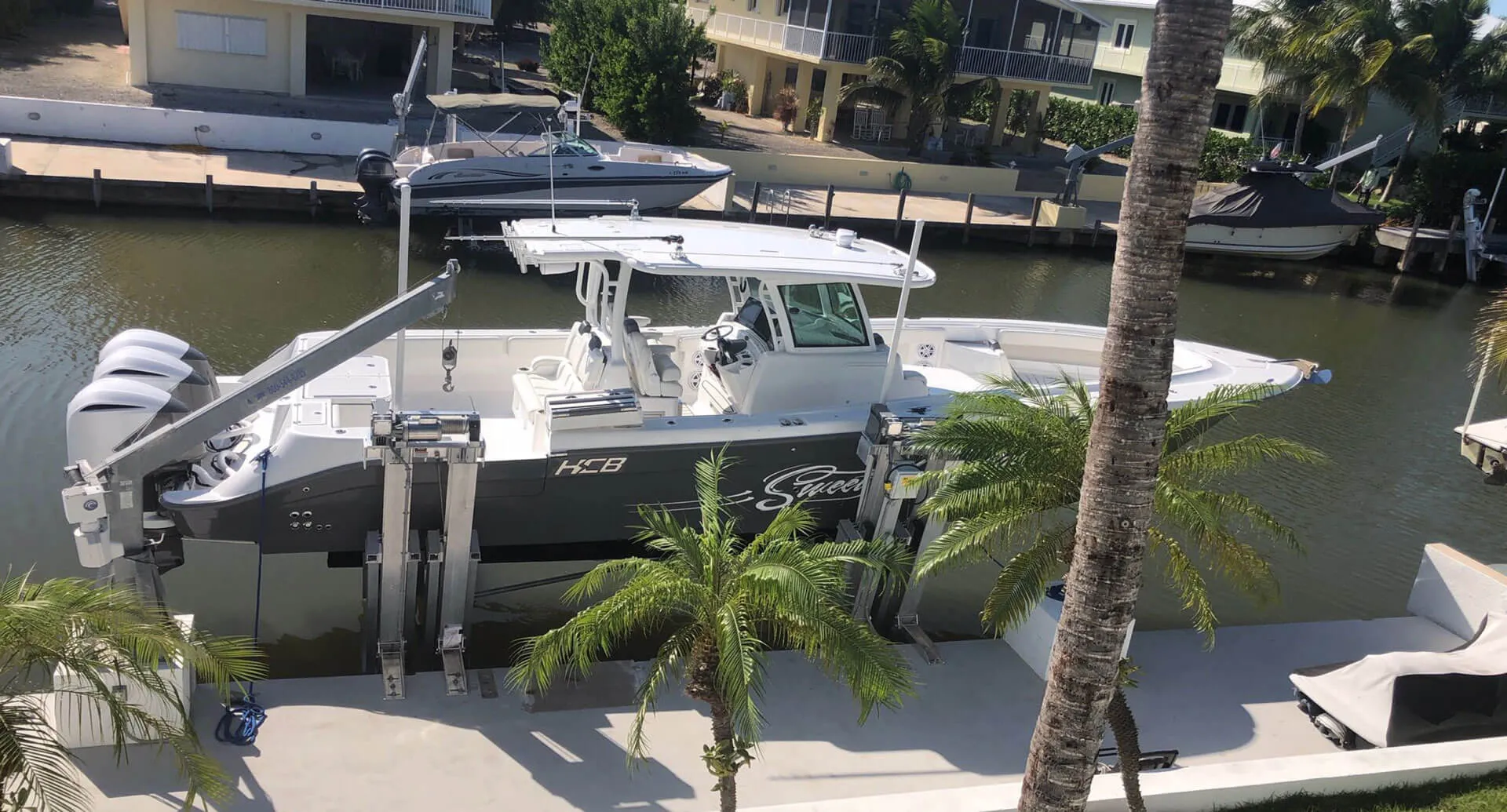
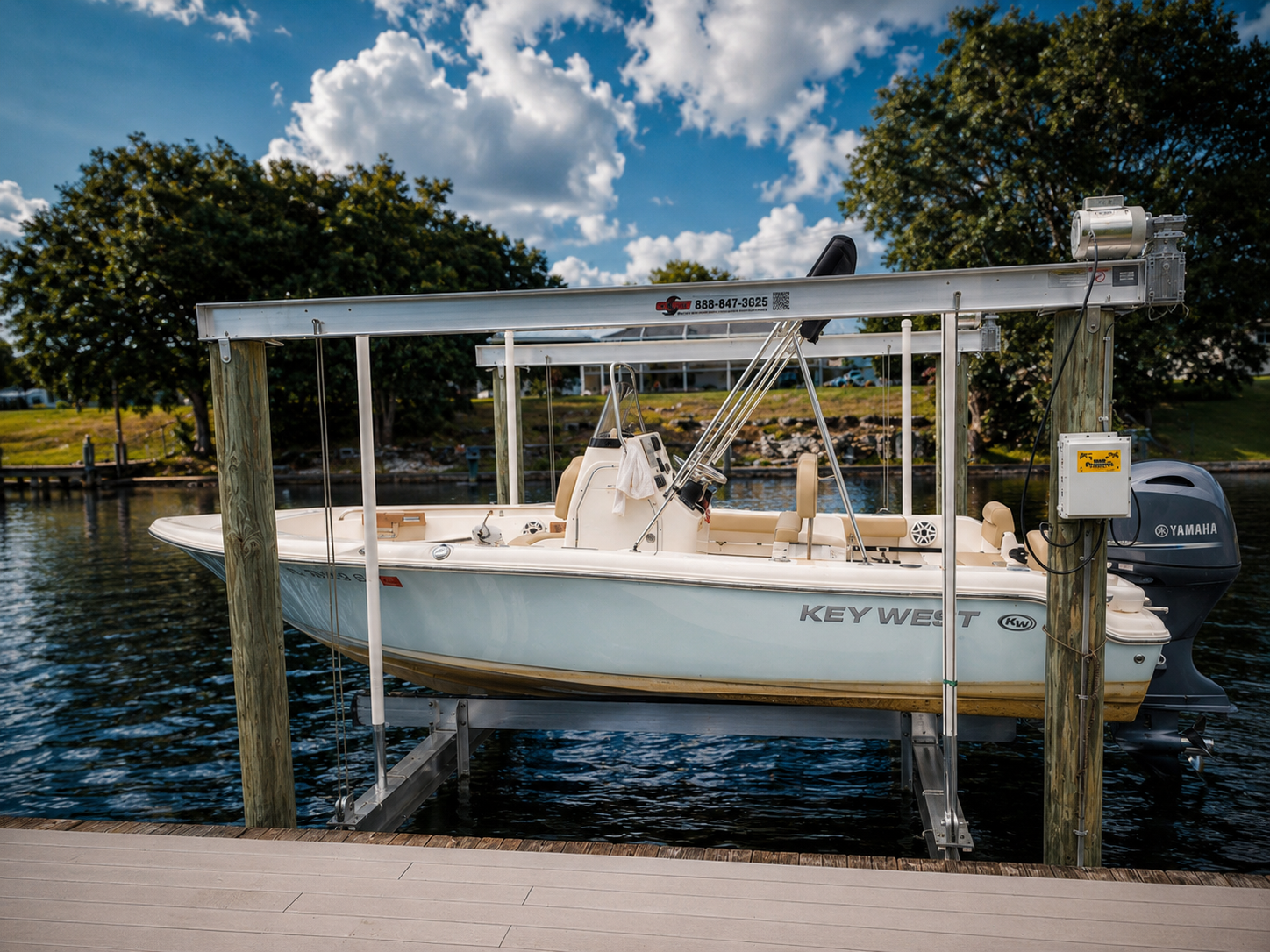
While an elevator boat lift’s operation is similar to standard boat lifts, it uses beams instead of pilings for support.
Functionally, both systems lift your boat out of the water. Structurally, they’re built very differently.
If piling installation isn’t possible at your property, elevator systems allow you to move forward with installing boat lift equipment without expanding your footprint into the waterway.
When Is an Elevator Boat Lift Necessary?
In Fort Lauderdale, elevator systems are commonly installed in:
- Narrow canals with limited water rights
- Properties with hard rock bottoms
- Locations where piling permits are restricted
- Crowded waterways where outside pilings would block navigation
- Seawalls with limited clearance
Hard-bottom conditions can dramatically increase the cost of installing a boat lift when pilings require rock punching or drilling rigs.
Elevator lifts eliminate that issue by anchoring directly to your dock or seawall.
If there’s not enough space to install outside pilings, or your property line limits extension into the canal, elevator lifts provide a clean, efficient solution for boat dock lift installations.
How Do Elevator Boat Lift Systems Work?
Unlike a standard lift that relies on pilings to support the top beam, elevator systems use I-beam rails mounted to the dock or seawall.
Here’s how the system operates:
- Rails are mounted vertically or at an angle, depending on site conditions.
- One end of each rail is secured into the seabed.
- The top portion attaches to the dock with bracing and mounting brackets.
- A carriage with wheels rides along the underside and top flange of the I-beam track.
- Stainless steel cables connect to dual powerheads mounted at the top.
- When activated, the cables pull the carriage and boat upward along the rails.
The boat lift uses aluminum bunks and cross bracing to support the hull evenly.
Before any elevator boat lift installation, a qualified boat lift installer should inspect the seawall or dock to confirm it can handle the lift system’s load. They must determine the ideal installation angle and the rails’ required length.
What Impacts the Cost of Installing a Boat Lift?
Several factors influence the cost of installing a boat lift in Fort Lauderdale, including:
- Boat weight and length
- Canal depth
- Seawall condition
- Electrical requirements
- Permit fees
- Structural reinforcement needs
Elevator systems may reduce costs compared to traditional piling installations in hard-bottom conditions. However, pricing varies based on site complexity.
Still, every site presents different challenges. The only way to get accurate numbers is through a professional evaluation of your dock, seawall, and vessel.

Looking for a Top-Quality Elevator Lift in Fort Lauderdale?
At Hurricane Boat Lifts, we design and produce top-quality and attractive boat lift systems. Contact us today to learn more about our products.
FAQs
How do I know if my dock is suitable for an elevator boat lift?
A qualified installer should inspect your seawall or dock structure to confirm it can handle the combined weight of the lift and your boat. They’ll evaluate concrete strength, mounting areas, water depth, and rail angle before recommending elevator boat lift installation.
What are the maintenance requirements for an elevator boat lift?
Routine maintenance includes inspecting cables, checking powerheads, tightening hardware, and rinsing components to reduce salt buildup. Periodic lubrication and annual professional servicing help extend the life of key elevator boat lift parts, especially in South Florida’s saltwater conditions.
What types of boats can be used with an elevator boat lift?
Elevator lifts can support many vessel types, including center consoles, deck boats, bay boats, and smaller cruisers. The lift capacity is matched to your boat’s weight, length, and hull design to support safe and balanced lifting.
Are elevator boat lifts easy to install?
Installation depends on dock structure, permits, and site conditions. While the system design is straightforward, proper alignment, structural reinforcement, and electrical setup require experience. Most boat dock lift installations are completed by trained professionals over several days.
Can an elevator boat lift protect my boat from storms?
Yes. By raising your boat out of the water, an elevator lift reduces hull impact against the dock and limits exposure to storm surge debris. While no system guarantees total storm protection, lifts significantly reduce common damage risks.
Should I install the elevator boat lift myself or hire a professional?
Hiring a licensed boat lift installer is strongly recommended. Professional installation confirms structural integrity, correct mounting angles, and safe electrical connections. Improper setup can lead to equipment failure, property damage, or safety hazards.