Skip to content

Docking your boat in the water might feel convenient, but over time, it can quietly drive up maintenance costs, wear down your hull, and leave your investment exposed to damage.
For many waterfront property owners, an elevator boat lift offers a smarter way to store and protect their vessel. Unlike traditional boat lift systems, elevator lifts are designed for tight spaces, seawalls, and areas where standard installations aren’t practical. The result is easier access, better protection, and long-term savings on maintenance and storage.
In this guide, we’ll break down what you need to know before moving forward with a boat lift installation, including:
- What an elevator boat lift is and how it works
- When it’s the best option compared to other boat lift systems
- The key benefits for protection, cost savings, and convenience
- What to consider before installing a lift on your property

What Is an Elevator Boat Lift?
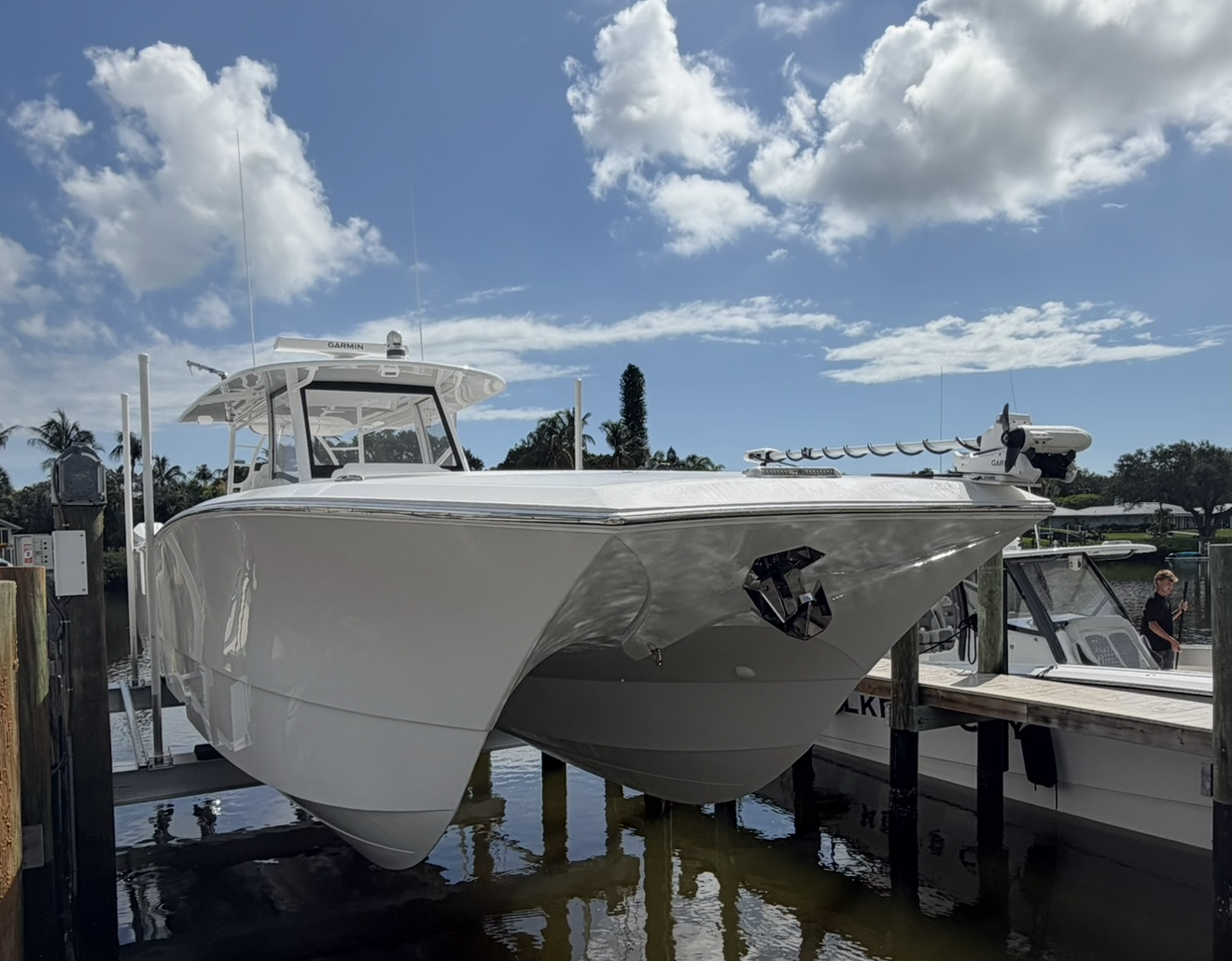
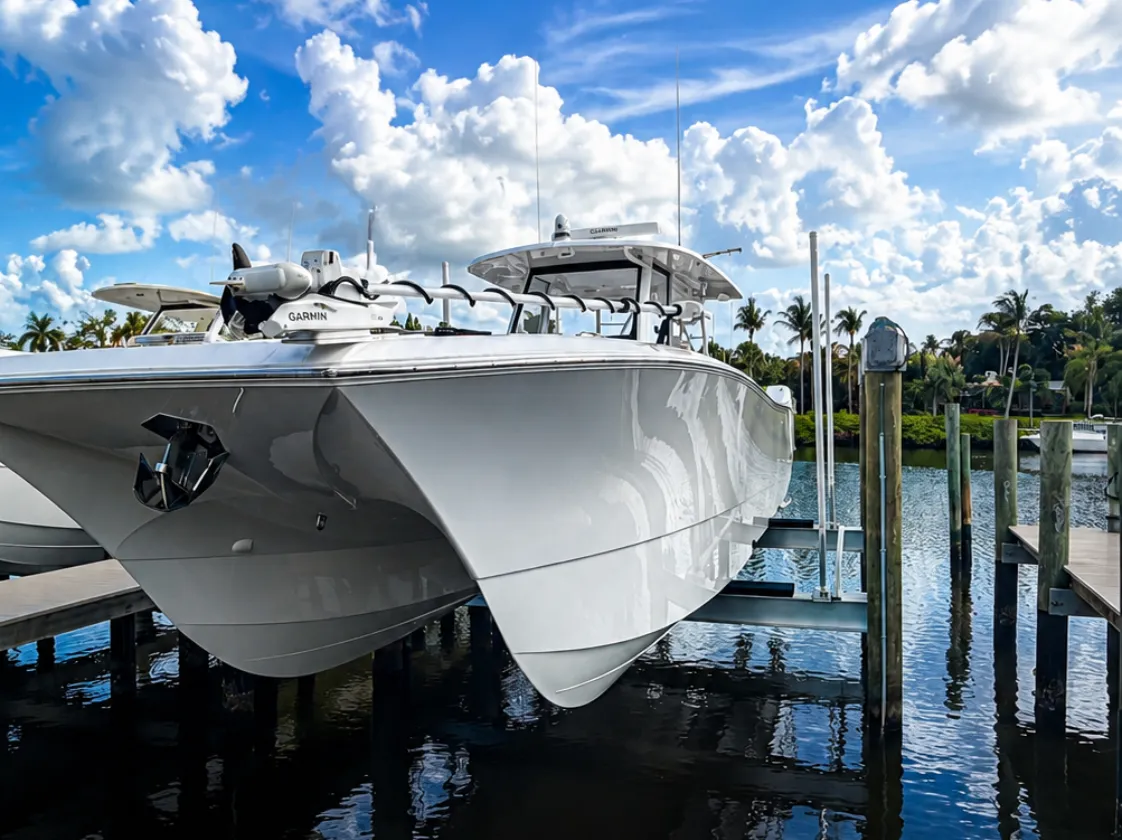
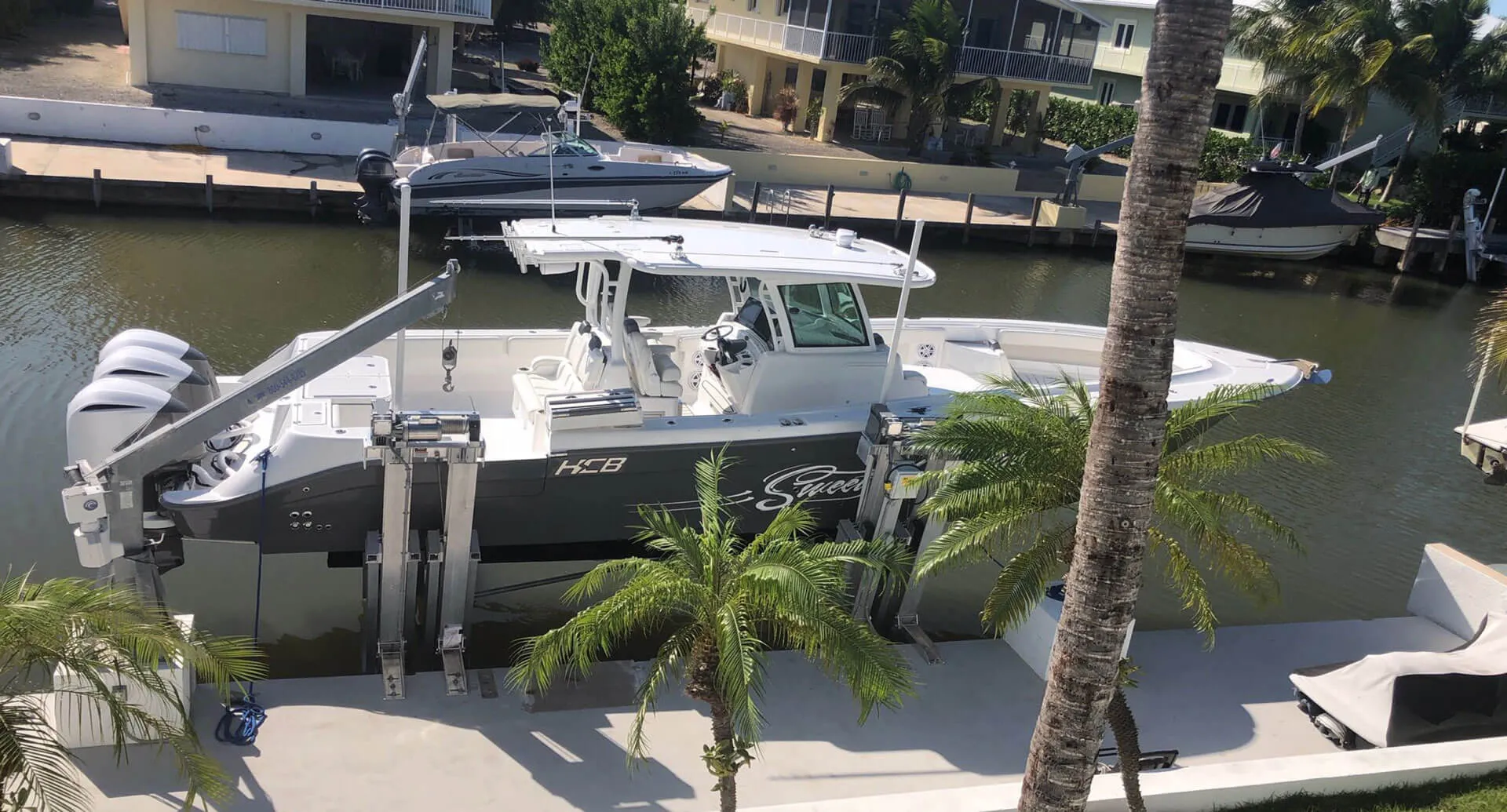
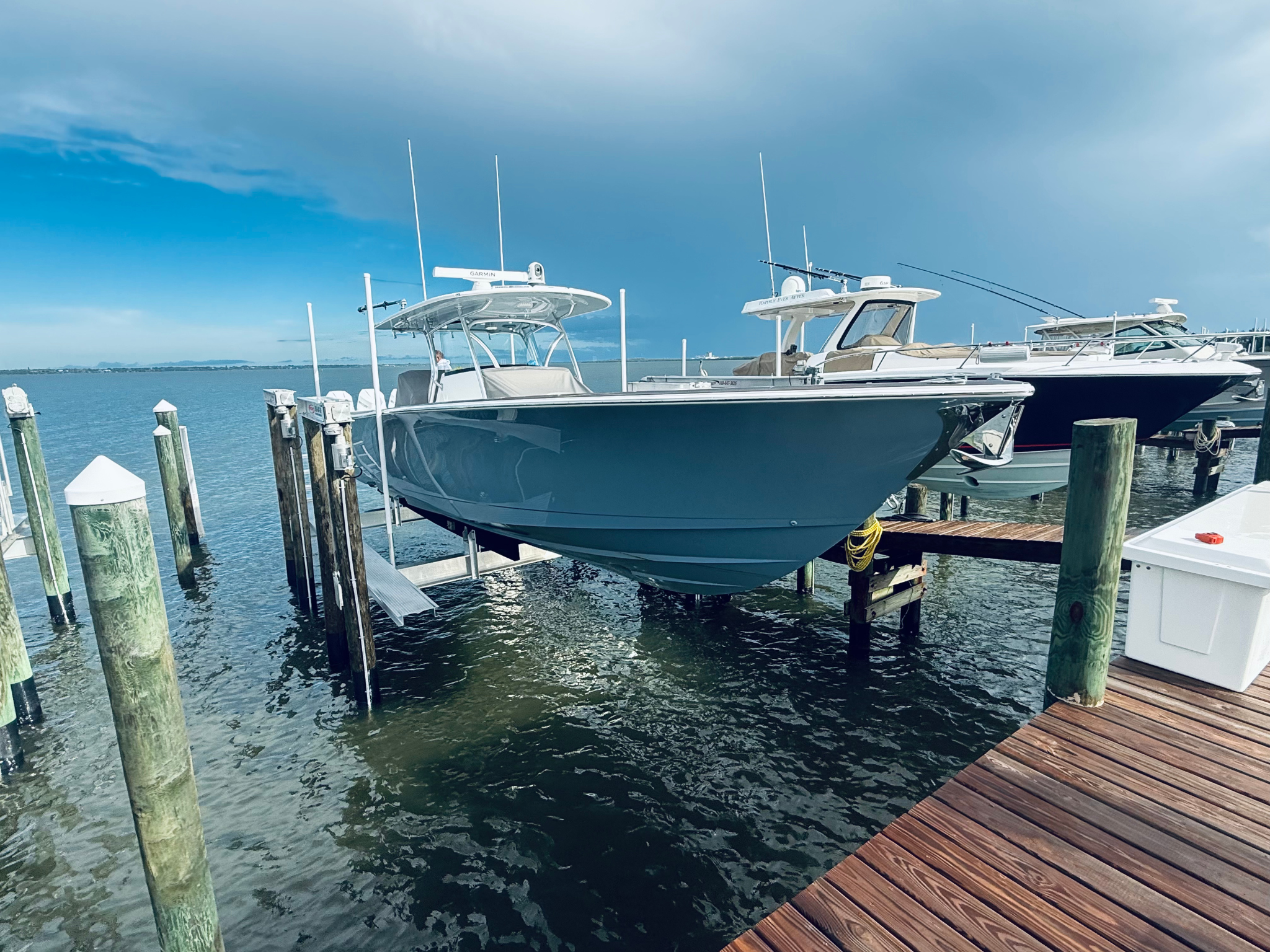
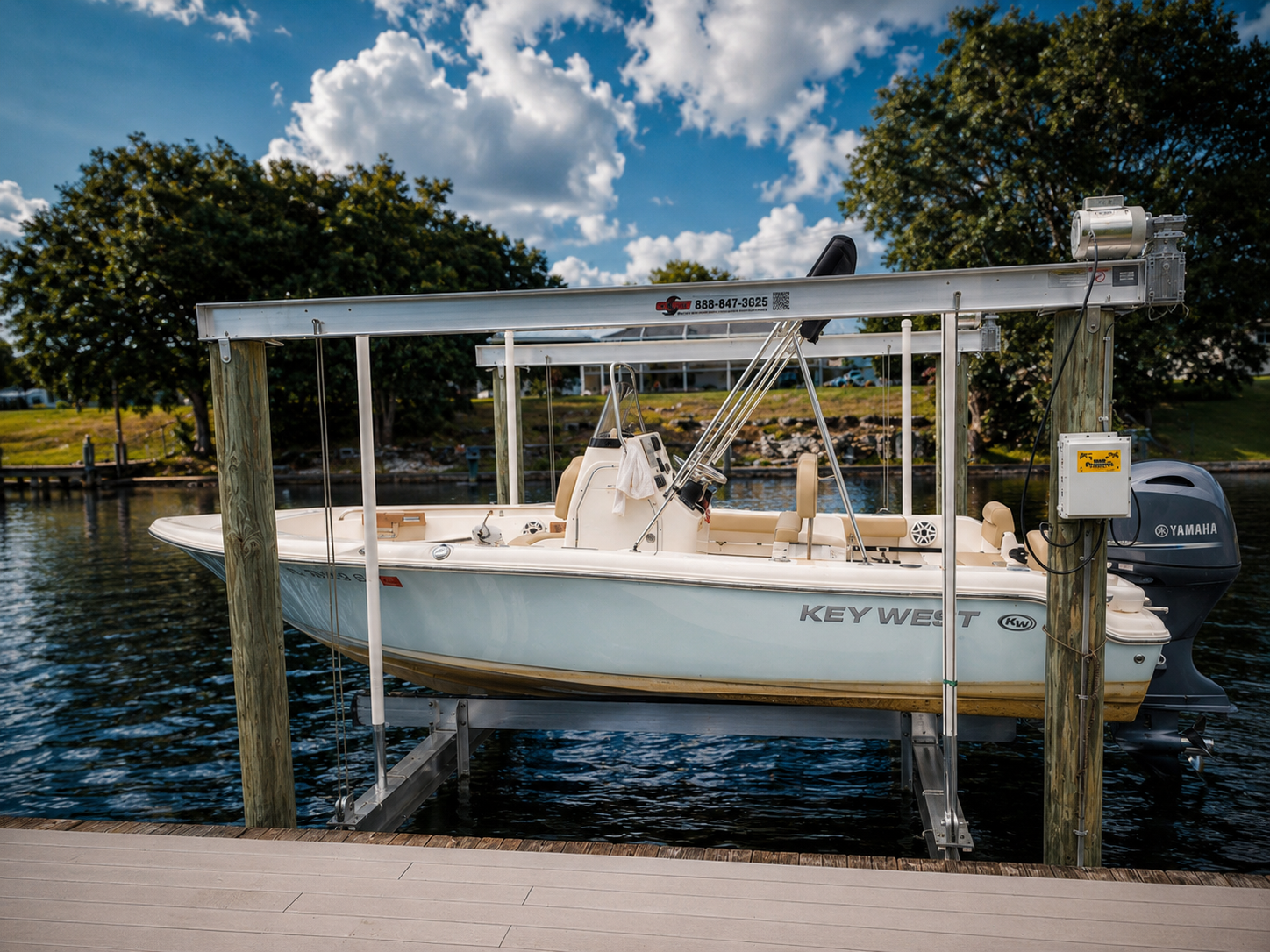
An elevator boat lift is a type of boat lift system designed to raise and store your boat out of the water using a structure mounted directly to a seawall or a single row of pilings.
Unlike traditional boat lift systems that rely on multiple outboard pilings driven into the seafloor, elevator lifts operate horizontally along beams that extend from your dock or seawall. This makes them a practical solution for waterfront properties where space is limited or where standard boat lift installation isn’t possible.
This design is especially useful for:
- Narrow canals or restricted waterways
- Seawall-mounted docks
- Areas with hard or unstable seabeds
- Locations with regulations limiting piling placement
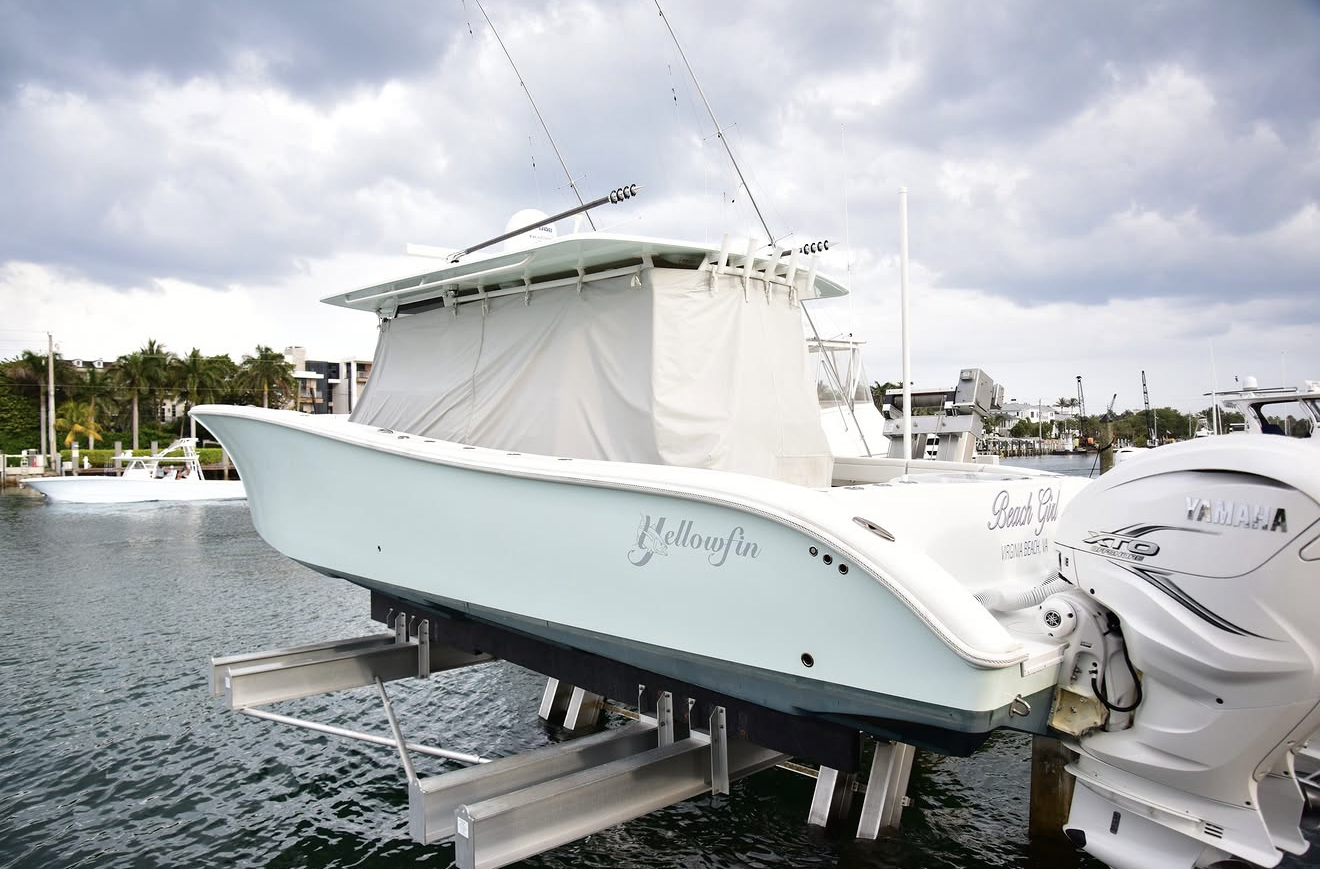
From a functionality standpoint, the system is simple. Your boat rests on bunk boards attached to a cradle. With the push of a button, the lift lowers the cradle into the water for launching and raises it back up to keep your boat fully out of the water when not in use.
For property owners dealing with space constraints or installation limitations, an elevator boat lift offers a clean, efficient alternative to more complex custom boat lifts.

Benefits of an Elevator Boat Lift
An elevator boat lift does more than store your boat. It protects your investment, simplifies access, and reduces long-term costs. For many waterfront properties, it’s one of the most practical upgrades you can make.
Protects Your Boat from Water Damage and Marine Growth
Keeping your boat in the water exposes it to algae, barnacles, and constant moisture. Over time, that leads to hull damage, paint wear, and more frequent maintenance.
With an elevator boat lift, your boat stays fully out of the water when not in use. This helps:
- Reduce hull cleaning and repainting
- Prevent long-term water damage
- Maintain performance and resale value
Keeping your boat out of the water not only protects the hull but also reduces environmental impact compared to long-term in-water storage.
Works Where Traditional Boat Lift Systems Can’t
Not every property can support standard boat lift installation. Narrow canals, seawalls, and hard seabeds can limit your options.
An elevator system solves this by mounting directly to your dock or seawall, making it ideal for:
- Tight waterfront spaces
- Residential docks with limited clearance
- Properties where pilings aren’t allowed
Reduces Storage and Maintenance Costs
Storing a boat offsite can get expensive, especially when pricing is based on boat size and season.
Installing a boat lift system at your property allows you to:
- Eliminate or reduce marina storage fees
- Avoid seasonal hauling and wrapping costs
- Keep your boat ready for use year-round
Improves Safety and Security
Boats left in the water are more vulnerable to storm damage, debris, and theft. By lifting your boat out of the water, you:
- Reduce exposure to waves and changing water conditions
- Make your boat less accessible to theft or vandalism
- Gain more control during severe weather
Requires Minimal Ongoing Maintenance
Once installed, elevator boat lifts are built to operate reliably with minimal upkeep. Compared to other custom boat lifts, they offer:
- Fewer components exposed to water
- Straightforward operation
- Long-term durability with proper installation
Is an Elevator Boat Lift Right for Your Property?
An elevator boat lift isn’t the right fit for every setup, but it solves a lot of common waterfront challenges.
It’s often the best option if your property has limitations that make traditional boat lift installation difficult.
An elevator boat lift may be a strong fit if you have:
- A seawall instead of pilings
- A narrow canal or tight docking space
- A hard or unstable seabed
- Local restrictions on dock extensions
- Limited room for a full boat lift system
These conditions make standard boat lift systems harder to install or more expensive to maintain. An elevator system works within those constraints while still giving you reliable lifting and storage.
If your setup checks a few of these boxes, consider it as a long-term solution and consider a professional installation.